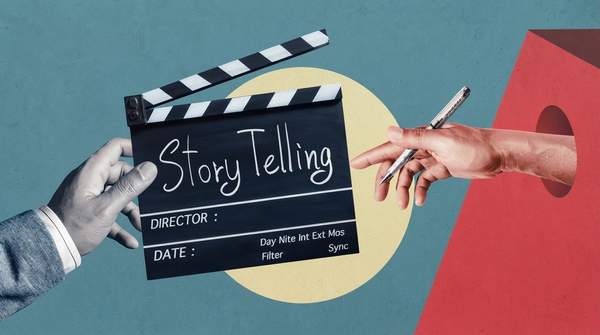
In a crowded marketplace, a compelling brand story can create an authentic connection with consumers that transcends product features and pricing. While storytelling may seem like a purely creative endeavor, effective brand narratives rely on established structures that provide clarity and emotional resonance. By understanding these frameworks, marketers can strategically shape their brand’s perception and build long-term equity. The choice between models like the classic 3-Act Structure or the customer-centric StoryBrand framework depends entirely on a brand's strategic goals, whether the aim is to present a clear problem-and-solution narrative or to position the customer as the hero of their own journey.
Understanding the 3-Act Structure
One of the most fundamental and enduring narrative models is the 3-Act Structure. This framework organizes a story into a clear progression with a beginning, a middle, and an end, making it a versatile tool for brand communications from social media posts to broader campaigns. According to an analysis from the marketing resource Forge and Spark, this structure provides a simple yet powerful way to frame a customer's experience.
The three distinct acts serve specific purposes in building a compelling narrative:
- Act 1: The Setup. This initial phase sets the scene and introduces the main characters. For a brand, this means establishing the customer's world and their current situation before a problem arises.
- Act 2: The Confrontation. Also known as the "rising action," this is where a problem is presented or tension builds. The customer faces a challenge or an obstacle that they need to overcome.
- Act 3: The Resolution. In the final act, the problem is solved, and the tension is resolved. The brand’s product or service often plays the crucial role of the catalyst that enables this blissful resolution, demonstrating its value in a tangible way.
The StoryBrand Framework: Customer as Hero
A different approach is offered by Donald Miller’s StoryBrand framework, which strategically repositions the roles within the narrative. This model is built on the core principle that the customer, not the brand, is the hero of the story. As explained by the agency Creativeo, this human-centered approach helps bridge the gap between marketing messages and the people they are trying to reach. By casting itself as the guide, a brand can connect with customers by empowering them to overcome their challenges.
The StoryBrand framework consists of seven fundamental parts that create a clear and compelling narrative path for the customer:
- A Character (the customer) who has a problem.
- And meets a Guide (the brand).
- Who gives them a Plan.
- And Calls Them to Action.
- That helps them avoid Failure.
- And ends in Success.
A critical element of this framework is the clear and direct call to action. The model operates on the principle that customers will not act unless they are explicitly challenged to do so. The narrative must also establish the stakes, motivating the customer by showing what can be won through success or lost through failure. This structure is designed to simplify a brand's message and focus it squarely on the customer's journey and transformation.
Comparative Frameworks for Brand Storytelling
Choosing the right framework requires understanding the distinct roles and strategic outcomes associated with each model. The 3-Act Structure excels at creating a classic problem-solution narrative, while the StoryBrand framework is designed to build a deep, empathetic connection by centering the story on the customer's success.
| Dimension | 3-Act Structure | StoryBrand Framework |
|---|---|---|
| Core Concept | A fundamental narrative arc with a beginning (setup), middle (confrontation), and end (resolution). | Positions the customer as the hero of the story, with the brand serving as their trusted guide. |
| Key Stages/Elements | Consists of three parts: Setup, Confrontation (or Rising Action), and Resolution. | Uses seven parts: a character, a problem, a guide, a plan, a call to action, failure, and success. |
| Brand's Role | Often acts as the solution or the catalyst that brings about the resolution to the customer's problem. | Acts as the guide who provides a plan and calls the customer to action to overcome their problem. |
| Customer's Role | The character who experiences the problem and ultimately benefits from the resolution. | The hero of the story, who faces a problem and is compelled to take action by the brand-as-guide. |
Key Brand Story Types and Their Strategic Use
Beyond the overarching frameworks, brands can deploy several repeatable story types to meet specific marketing needs at different stages of the customer journey. According to brand strategist Stephen Houraghan, structure is more important than raw writing talent in creating a compelling narrative. These story types can be effectively organized using the frameworks discussed above.
Four primary story types cover most marketing needs:
- Origin Story: This narrative explains how the brand came to be, establishing its identity and purpose. It is effective for building belief and connection at the top of the marketing funnel.
- Vision Story: This type of story paints a picture of a desirable future that the audience wants to be a part of. By positioning the brand as a guide toward this shared future, it creates an emotional connection during the awareness stage, before a customer is even considering a product.
- Transformation Story: This narrative demonstrates the impact a brand has on its customers, proving its value. It is particularly useful during the consideration phase when potential customers are evaluating their options.
- Values-in-Action Story: This story shows a brand’s core values through its deeds, not just its words. It helps reduce perceived risk for customers at the final decision-making stage of their journey.
Selecting Your Brand's Narrative Path
The most effective brand storytelling is a strategic choice, not an accident. Marketers should choose a brand storytelling framework that aligns with their strategic goals, whether it's to clearly present a problem-solution (3-Act Structure) or to empower the customer as the hero (StoryBrand). The 3-Act Structure is a powerful tool for demonstrating a product's direct impact in resolving a customer's challenge. In contrast, the StoryBrand framework is built to foster a deeper connection by making the customer's journey and success the central focus of the narrative.
By deliberately selecting and applying a framework, brands can move beyond inconsistent messaging. The primary outcome of this strategic approach is increased clarity and consistency in brand messaging across all marketing channels, as evidenced by a defined narrative structure that resonates with the intended audience.