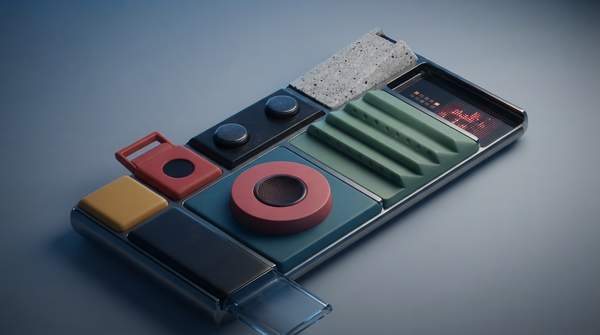
Consumer electronics companies are putting circular economy principles into practice through three main strategies: designing products for repairability and disassembly, shifting toward business models that keep devices in use longer, and recovering materials from end-of-life electronics. The Ellen MacArthur Foundation, which developed the framework most companies now reference, defines a circular economy as one built on three design-driven principles: eliminate waste and pollution, circulate products and materials at their highest value, and regenerate nature. In electronics, those principles translate into concrete initiatives such as Dell's modular Concept Luna prototype, Samsung's Re+ take-back programme, and Xiaomi's emphasis on circular consumption.
Understanding the Circular Economy in Consumer Electronics
Electronics is one of the sectors where the Ellen MacArthur Foundation sees substantial circular economy growth potential. Its sector analysis identifies three key strategies for the industry: designing products for repairability, disassembly and recyclability using recycled materials; keeping devices in use as long as possible through circular business models such as rental or product-as-a-service, along with repair, refurbishment, resale and component remanufacturing; and maintaining the value of materials by collecting, sorting, separating and recycling them after a product's useful life.
The stakes are considerable. The foundation's analysis notes that urban mining and recycling efforts are increasing as demand for rare earth metals rises in electronics, with only 1% of rare earth elements currently recycled. The US Environmental Protection Agency frames the same problem from a waste perspective, arguing that material recovery has an important role in a circular economy and that how resources are extracted, used and disposed of has compounding environmental and community effects.