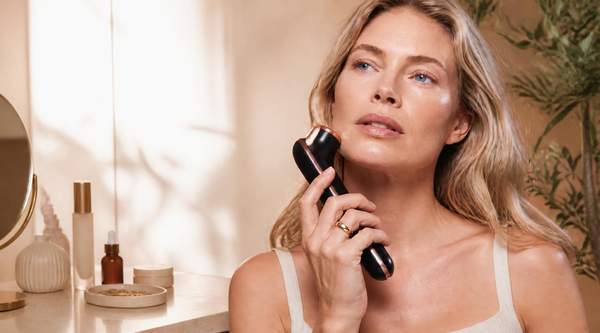
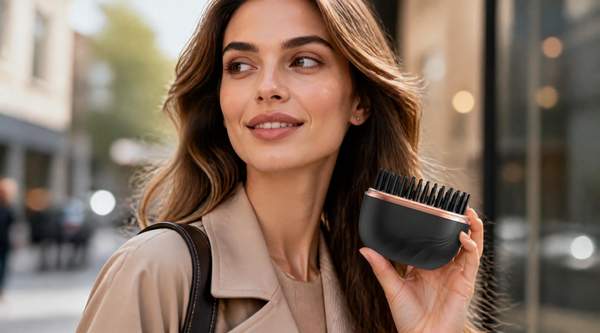
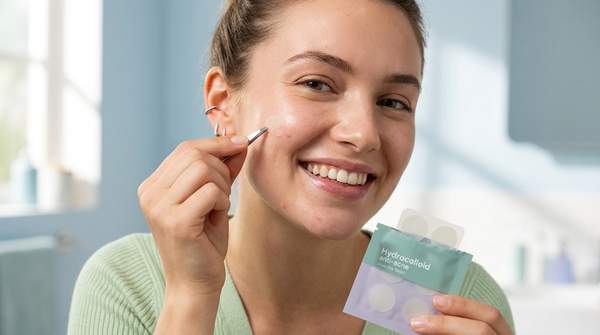
For the first time, the 2026 Shape Beauty Awards recognized 'Personalized Genomic Skincare' as a major category. The recognition of 'Personalized Genomic Skincare' as a major category signals a seismic shift from mass-market solutions to highly individualized care. A record 70% of top accolades went to products leveraging AI or biotech innovations, according to the Shape Awards Committee. The overall theme, 'Beauty Beyond the Surface,' emphasized internal health and data-driven external care, as stated by the Shape Editor-in-Chief.
Yet, a tension emerges: consumers demand simplicity and transparency, but the winning products are increasingly complex, leveraging advanced AI, biotech, and diagnostic technologies. The innovation-driven complexity of winning products risks alienating a significant consumer segment seeking straightforward, affordable solutions.
The beauty industry is poised for rapid technological acceleration and hyper-personalization. The beauty industry's trajectory toward rapid technological acceleration and hyper-personalization could create a significant divide between accessible, traditional products and cutting-edge, premium innovations.
What Innovations Won the 2026 Shape Beauty Awards?
- The 'Best Anti-Aging Innovation' was awarded to 'Bio-Luminance Serum,' which uses CRISPR-derived peptides to target cellular repair, according to the Award Winner Press Release.
- A smart device, 'DermaScan Pro,' won 'Best At-Home Diagnostic Tool' for its ability to analyze skin microbiome and recommend custom formulations via an app, as reported by Tech Beauty Review.
- The 'Sustainable Beauty Champion' went to 'EcoGlow Cosmetics' for their fully biodegradable packaging and carbon-negative ingredient sourcing, according to Environmental Beauty Watch.
- One winning hair product, 'FolliGrow AI,' utilizes an AI algorithm to predict hair loss patterns and suggest preventative treatments, as detailed in Beauty Tech Journal.
The winning innovations underscore beauty's deep ties to advanced scientific research, artificial intelligence, and environmental responsibility. However, the highly individualized nature of genomic products could inherently conflict with the resource efficiency of mass-market sustainable practices, posing a challenge for brands aiming for both.
Why is Beauty Innovation Accelerating in 2026?
Investment in beauty tech startups surged by 45% in 2025, reaching $5 billion globally, according to the Beauty Industry Report 2025. The $5 billion influx of investment in beauty tech startups fuels advanced solutions. Simultaneously, 60% of beauty product users will pay more for personalized solutions, indicating strong market demand.
Gen Z's purchasing decisions are 85% influenced by demand for 'clean' and 'transparent' ingredient lists, according to NielsenIQ Beauty Trends. Further, synthetic biology breakthroughs now make rare or unsustainable ingredients widely available and ethically sourced, as noted by the Bio-Beauty Innovations Summit. This convergence of capital, consumer demand for personalization and transparency, and scientific advancement is driving rapid innovation.
How Are Traditional Beauty Brands Adapting to Change?
Traditional beauty conglomerates struggle to keep pace; 3 out of 5 major brands report declining market share in innovation categories, according to Forbes Beauty. The regulatory landscape lags, especially concerning data privacy for personalized beauty, as stated by the FDA Beauty Division. The lagging regulatory landscape introduces significant consumer privacy concerns, potentially overshadowing product benefits if not transparently addressed.
Innovation comes at a cost: award-winning tech-driven products average 3x higher in price than traditional counterparts, raising accessibility concerns, according to Consumer Reports. The 2026 Shape Awards pivot to science and data, a stark contrast to previous years focused on ingredient efficacy and celebrity endorsements, as shown by Shape Archives. This rapid innovation creates a market divide, challenging established brands and raising critical questions about accessibility and regulation.
What are the Future Trends in Beauty?
Experts predict 'nutricosmetics' and ingestible beauty will grow 200% by 2028, further integrating beauty and wellness, according to the Future of Beauty Summit. Hyper-customization at the point of sale, including in-store 3D printing of cosmetics, is the next innovation wave, as detailed in Beauty Retail Trends 2027. Major tech companies like Google and Apple are reportedly investing heavily in beauty-related AI and sensor technology, according to the Wall Street Journal.
Consumers should expect more subscription-based personalized beauty services tailored to evolving needs, as noted by Subscription Box Trends. The beauty industry's pursuit of hyper-personalization, while celebrated by the 2026 Shape Beauty Awards, appears poised to solidify a two-tiered market, where cutting-edge innovation remains a premium for the data-willing and wealthy, unless accessibility challenges are swiftly addressed.
Common Questions About New Beauty Tech
Are these advanced beauty products safe?
Regulatory bodies review new technologies, but most award winners undergo rigorous testing, according to the Cosmetic Safety Board. Consumers must check certifications and product information for allergens or contraindications.
How accessible are these innovations for the average consumer?
Initially premium, prices should drop as technology scales and manufacturing becomes more efficient, according to Market Analyst Jane Doe. Yet, the initial investment for genomic and AI-driven solutions remains higher than traditional products.
Can I really get a personalized serum based on my DNA?
Yes, services offer DNA-tailored formulations for skin concerns. Still, consulting a dermatologist for specific health issues is always recommended, as advised by Dr. Emily Chen.