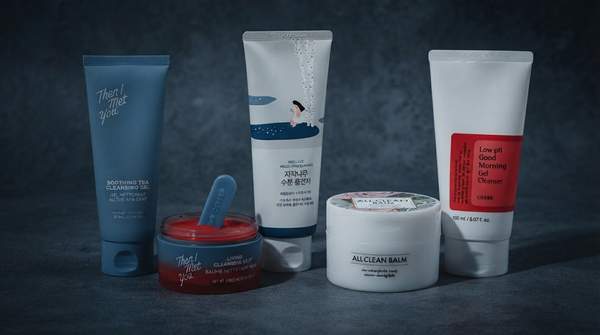
If you want to update your skincare routine with what Korea is actually doing in 2026, four trends matter: bloom skin, a softer take on glass skin; clinic-inspired at-home treatments built around retinoids and stabilized vitamin C; transformative hybrid textures like essence-toners and "ser-reams"; and Gyeongri Beauty, the MZ Generation's cost-per-use approach to shopping. Together they show a market that wants potent results, lighter routines, and better value — not more steps. This guide explains the philosophy behind each trend, the ingredients doing the work, and the product formats you will actually see on shelves this fall.
2026 K-Beauty Trends at a Glance
The table below contrasts the four trends by their underlying philosophy, the ingredients doing the heavy lifting, and the product formats delivering them. Use it to match your skincare goal — radiance, potency, experience, or efficiency — to the trend that serves it before reading the detail sections.
| Trend Name | Core Concept | Key Ingredients | Example Formulations |
|---|---|---|---|
| Bloom Skin | A softer, healthier-looking radiance — an alternative to the ultra-dewy glass skin look | Hydration- and plumpness-focused actives; collagen masks are climbing alongside it this fall | Collagen masks; luminosity-focused hydrators |
| Advanced At-Home Treatments | Treatment-inspired technologies that "used to live only in clinics," delivered for home use | Retinoids (encapsulated retinol, retinal, bakuchiol); stabilized vitamin C; PDRN | Retinal boosters; night creams and serums with gradual-release retinoids |
| Transformative Textures | Formulations that change state during application, making skincare interactive and multi-benefit | Multi-active formulas; concentrated actives in novel carriers | Gel-to-milk cleansers, serum-toner hybrids, bi-phase systems, water-break formulas, "ser-reams," water-based oils, solid serums |
| Gyeongri Beauty | Value-conscious spending: calculate cost-per-use, demand multi-functionality and science-forward claims | Concentrated formulas requiring less product per use | Multi-active, single-step hybrids; refillable packaging |
Trend 1: Bloom Skin — Beyond Glass, Towards Healthy Radiance
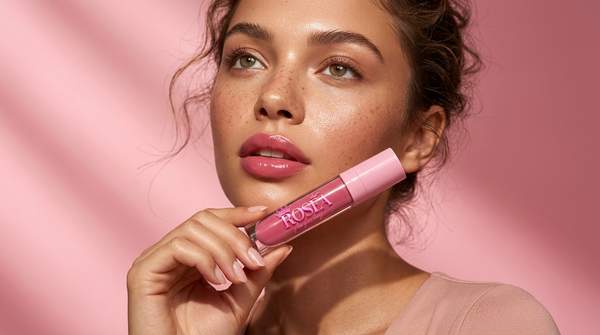
The most visible aesthetic shift this fall is the move away from the mirror-like shine of glass skin. Sweety High's fall 2026 trend reporting describes bloom skin as a "softer, more natural-looking alternative" to that look, with aesthetic doctor Dr. Christine Hall characterizing it — in comments reported by Cosmetics Business — as "softer and healthy looking radiance."
In practice, that means the goal is no longer an ultra-dewy, reflective finish but skin that reads as naturally luminous and plump. The distinction matters for how you shop: a glass-skin routine chases maximum gloss, while a bloom-skin routine chases skin that looks healthy at rest, without a heavy highlighter effect doing the work.
For shoppers, the cue is simple: look for products promising radiance, plumpness, and hydration rather than high-shine gloss. Sweety High's reporting also places collagen masks among the fastest-climbing K-beauty categories this fall, which fits the trend's plumping emphasis — a mask format that pairs naturally with a look defined by fullness rather than shine.
Trend 2: Advanced At-Home Treatments and Potent Actives
The second trend is about potency, not finish. Writing for Vogue, Kiana Murden reports that consumers have "a huge appetite for treatment-inspired technologies that used to live only in clinics." Charlotte Cho, cofounder of the K-beauty marketplace Soko Glam and founder of the skin-care brand Then I Met You, puts it directly: "When people can get real improvements at home, it builds long-term loyalty and curiosity for what Korea will create next."
That appetite is what pushes retinoids and advanced vitamin C to the top of 2026 ingredient lists. Cho also notes that "consumers want visible results without compromising their skin, and Korean brands continue to lead there" — which explains why the formulations gaining ground pair strong actives with gentler delivery systems rather than maximum-strength irritation.
There is an educational dimension too. Murden's reporting observes that people still want to know "when and how to use a toner pad, what PDRN really does," and that as people learn more about techniques, formula types, and ingredients, they are better primed to care for their complexions. In other words, the at-home treatment trend is not just about stronger products — it is about a more ingredient-literate consumer meeting brands halfway.
Trend 3: Transformative Textures and Hybrid Formulations
Texture is where 2026's formulation innovation is most obvious. Reporting from the in-cosmetics Korea 2026 trade show, summarized by AAK Personal Care's Emelie Grönsterwall, highlights products "designed to transform during application": gel-to-milk cleansers, serum-toner hybrids, bi-phase systems, and water-break formulations. Her assessment is that these formats "offer consumers multiple benefits within a single product while delivering a sense of novelty," and that transformative textures help consumers "perceive performance in real time, making application both practical and enjoyable."
That last point deserves emphasis, because it is the trend's real logic. A gel that turns to milk, or a serum that behaves like a toner, gives you a visible, tactile signal that the product is doing something — a form of built-in feedback that a standard cream cannot offer. It also collapses two steps into one, which is why the texture trend and the efficiency trend below reinforce each other.
The K-beauty packaging trade's 2026 texture roundup adds the formats to watch: essence-toner hybrids (with Skin1004 and Anua cited as leaders), described as lightweight yet nourishing and routine-simplifying; the emerging "ser-ream" serum-cream format, described as rich yet fast-absorbing, single-step, and night-care focused; water-based oils that deliver oil benefits without greasy residue and suit oily skin types; jelly and pudding textures in moisturizer and mask formats; powder-to-foam enzyme cleansers activated with water, described as travel-friendly and gently exfoliating; and waterless solid serums with concentrated actives in balm and stick formats.
Trend 4: Gyeongri Beauty — Value, Efficiency, and Multi-Functionality
Gyeongri (경리) refers to economics or accounting, and "Gyeongri Beauty" is the name given to the MZ Generation's approach to beauty spending. Palace Beauty Galleria's 2026 trend coverage describes its rules: calculate cost-per-use rather than sticker price, demand multi-functional products, seek "luxury-level results at accessible prices," and value dermatologist-backed claims over influencer-hyped ones.
That mindset shapes what brands make. The same reporting links Gyeongri Beauty to concentrated formulas that need less product per use, refillable packaging systems, and science-forward claims over marketing narratives. It is a consumer-side filter, not a product category — but it explains why the hybrid formats above are landing now.
The convergence is worth noticing as a shopper. A serum-toner hybrid or a single-step "ser-ream" is exactly the kind of step-reducing, multi-active product an economically minded buyer wants: fewer bottles, fewer redundant layers, and a lower effective cost per use even when the unit price looks higher. When you evaluate a 2026 K-beauty product, the Gyeongri question — how much of it do you actually need per application, and how many steps does it replace — is a fair test of whether it is genuinely current or just repackaged.
Key Ingredients Driving K-Beauty Innovation in 2026
Vitamin C is splitting into two tracks. L-ascorbic acid remains the most potent form but has stability challenges, and the trade reporting credits Korean brands with leading in stabilization technology, with airless packaging described as essential and 10–20% concentrations trending. For gentler options, derivatives are gaining ground: ethyl ascorbic acid in popularity, ascorbyl glucoside for gentle efficacy, and 3-O-ethyl ascorbic acid as a stable-plus-effective middle path, with combination formulas on the rise. The practical shopping takeaway: if a product uses pure L-ascorbic acid, packaging and formulation stability are the differentiators; if your skin is sensitive, the derivative track exists specifically for you.
Retinoids are evolving toward comfort. Encapsulated delivery systems and gradual-release technology are enabling lower-irritation formulations in night cream and serum formats, while bakuchiol — a plant-based retinol alternative described as gentle yet effective and suitable for sensitive skin — permits day and night use. This is the ingredient story behind the at-home treatment trend: potency delivered in formats designed to be tolerable.
Niacinamide continues its dominance, with pore-refining and brightening benefits, standard 5–10% concentrations, and compatibility with most actives across all product categories — which is precisely why it appears in so many of the hybrid formats. On the treatment-inspired side, Vogue's reporting flags PDRN as an ingredient consumers are actively trying to understand, part of the same clinic-to-bathroom shift.
Embracing the Future of K-Beauty: Your Next Steps
To effectively incorporate 2026 K-beauty trends, prioritize products that offer multi-functional benefits, feature potent active ingredients like retinoids and vitamin C in stable formulations, and use innovative, lightweight textures that layer well and simplify your routine. The four trends reward different goals: bloom skin for natural radiance, at-home treatments for clinic-grade actives, transformative textures for an enjoyable multi-benefit experience, and Gyeongri Beauty for cost-per-use discipline.
A concrete shopping filter makes this actionable: look for product labels highlighting "ser-ream" or essence-toner hybrids, claims of "slow aging" or barrier repair, and ingredient lists featuring retinoids, advanced vitamin C forms, snow mushroom, or fermented ingredients. That label checklist — drawn from the same 2026 trend reporting — is the measurable way to confirm a product actually reflects this year's innovations rather than last year's marketing. Start with one hybrid format or one stabilized active, and judge it the Gyeongri way: cost per use, not price per bottle.
Sources
- K-Beauty Trends for Fall 2026: Bloom Skin and Collagen Masks — Sweety High Blog
- 7 K-Beauty Trends Shaping 2026 — Vogue
- K-Beauty Trends 2026: Insights from in-cosmetics Korea and the Future of Skincare — BLOG
- K-Beauty Trending Ingredients & Formulas 2026 — Kbeautypackaging
- 2026 K-Beauty Trends: Must-Know Skincare and Makeup — Palace Beauty Galleria