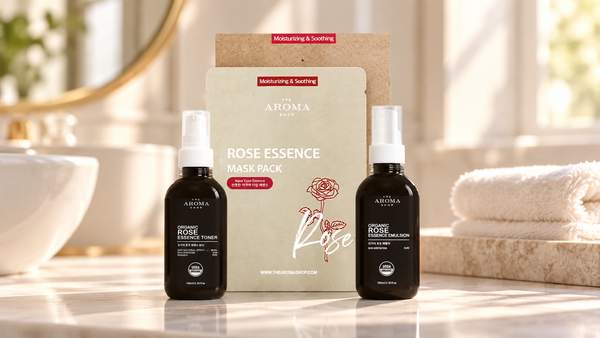
With the hashtag #KBeauty boasting over 3.5 billion views on TikTok alone, the global influence of Korean skincare is undeniable. Since the 2010s, this approach to beauty has transformed how millions approach their skincare routine, with its innovative products skyrocketing in popularity worldwide. But beyond the aesthetically pleasing packaging and multi-step rituals lies a deep commitment to science and technology. The real story of its success is written in the lab, where a unique combination of advanced biotechnology and a skin-first philosophy is actively reshaping global beauty standards and personal routines.
K-Beauty fundamentally shifts skincare from quick, reactive fixes to a long-term, preventative strategy for maintaining skin health. This philosophy, coupled with an industry that reportedly brings new products to market in as little as two months, has forged a dynamic, highly competitive landscape. This rapid pace of innovation, constantly introducing novel ingredients, textures, and technologies, continues to capture global attention and push skincare boundaries.
What Is K-Beauty, Really?
K-Beauty, or Korean Beauty, is a skincare philosophy centered on prevention, nourishment, and achieving naturally healthy, luminous skin through consistent, gentle care. Think of it as tending to a garden; instead of waiting for problems to appear, the goal is to create a thriving environment where skin can flourish. This contrasts with some traditional Western approaches that may focus more on aggressively treating issues like acne or wrinkles after they've already emerged. The ultimate goal in K-Beauty is often described as "glass skin"—a complexion so smooth, hydrated, and clear that it appears poreless and reflective.
K-Beauty’s philosophy guides product development and consumer routines through core principles:
- Prevention Over Correction: The primary focus is on maintaining a healthy skin barrier and protecting it from environmental stressors to prevent issues like premature aging, hyperpigmentation, and dehydration before they start.
- Hydration as the Foundation: K-Beauty emphasizes layering multiple, lightweight hydrating products to ensure the skin is plump, dewy, and functioning optimally. Dehydrated skin is seen as the root of many other skin concerns.
- Gentle and Respectful Formulations: Products are typically formulated with soothing, skin-friendly ingredients that work with the skin's natural processes rather than stripping or irritating it with harsh actives.
- Consistency Is Key: The famous multi-step routine is less about using a dozen products and more about the ritual of consistent, dedicated care, both morning and night.
What Scientific Principles Underpin K-Beauty Innovations?
The global ascent of Korean beauty products is widely attributed to their industry-leading innovations in skincare, as noted in a paper from CUNY's academic commons. This is no accident; Korea’s beauty sector invests heavily in research and development, particularly in the fields of biotechnology and dermocosmetics. This investment has given rise to new industry standards and a host of technologies that are now being adopted by brands worldwide. The science behind K-Beauty can be broken down into two key areas: advanced ingredient technology and sophisticated formulation science.
First is the innovative approach to ingredients. Korean skincare masterfully blends tradition with high-tech science. Time-honored botanicals like ginseng, green tea, and rice are reimagined through modern biotechnological processes. Fermentation, for example, is a cornerstone of K-Beauty science. This process uses microorganisms to break down the molecular structure of an ingredient, making it more concentrated and more easily absorbed by the skin. The result is a more potent and effective product. Beyond traditional ingredients, K-Beauty has popularized a range of unique and effective actives, including Snail Mucin for its reparative and hydrating properties, Centella Asiatica (or "Cica") for its powerful soothing and anti-inflammatory benefits, and various probiotics to support a healthy skin microbiome.
Second is the science of formulation and delivery. It isn't just about what is in the bottle, but how it gets delivered to your skin. Korean formulators are pioneers in creating sophisticated delivery systems that enhance ingredient efficacy. Encapsulated actives, for instance, involve wrapping potent but unstable ingredients like retinol or Vitamin C in a protective coating. This not only preserves their potency but also allows for a controlled, time-released delivery into the skin, minimizing potential irritation. Another significant innovation is the development of microneedle patches—small patches embedded with tiny, dissolvable needles made of active ingredients that painlessly penetrate the skin's surface for highly targeted treatments. These advancements are a direct result of a hyper-competitive market and a consumer base that demands visible results, pushing brands to constantly innovate. This drive for progress has made the industry a leader among the most innovative beauty brands today.
The Cultural Philosophy Driving K-Beauty's Global Impact
Beyond impressive science, K-Beauty is fueled by a cultural philosophy deeply valuing skin health. Korean skincare prioritizes achieving a naturally radiant complexion through diligent, science-backed methods. This "skin-first" mentality treats skincare not as a chore, but as a vital act of self-care and a pleasurable daily ritual. The globally recognized 10-step routine is the most famous manifestation of this philosophy, and while it may seem intensive, its purpose is to encourage a mindful, thorough approach to cleansing, treating, and hydrating the skin.
The industry's agility, however, means it recognizes the practical challenges of extensive routines for a global audience. The culture of innovation that created the 10-step routine now pioneers its evolution. Acknowledging that many consumers lack time for extensive rituals, the industry embraced the "skip-care" trend, focusing on powerful, multi-functional products—like a toner-essence hybrid or a serum-infused moisturizer—that deliver multiple benefits in fewer steps. This adaptability is critical: a McKinsey Beauty Report, cited in a dermatological perspective on LinkedIn, shows 68% of consumers may abandon multi-step routines within six months due to time constraints. By offering effective, streamlined solutions, K-Beauty brands demonstrate a deep understanding of modern consumer needs, proving the philosophy is about dedicated care, not rigid rules.
Why K-Beauty's Scientific Approach Matters to You
K-Beauty's influence extends beyond new products, fundamentally altering the global beauty conversation and empowering consumers. A significant impact is the democratization of advanced skincare: K-Beauty made innovative ingredients like niacinamide and cica, along with sophisticated formulations, widely accessible and affordable. This has raised consumer expectations across the board, pressuring brands in every market to deliver more effective, ingredient-transparent products.
This movement shifted global beauty standards from "anti-aging" to "well-aging," focusing not on erasing lines but on nurturing healthy, resilient, and vibrant skin at every age. This educational approach empowers users to learn about ingredients, understand their skin type, and customize routines. This empowerment through knowledge is perhaps K-Beauty's most lasting legacy. The industry's economic power also indicates its staying power: Allied Market Research projects the global K-Beauty market to reach $13.9 billion by 2027, showcasing its significant and sustained impact on the global economy.
Frequently Asked Questions
Is the 10-step Korean skincare routine necessary?
No, the 10-step routine is best viewed as a comprehensive guideline rather than a strict requirement. The core philosophy is about layering products and customizing a routine that addresses your specific skin concerns. Many people find success with a simplified routine of 4-6 steps. The rise of the "skip-care" trend, which uses multi-functional products, is a direct response from Korean brands to create effective yet efficient routines.
What are the most innovative K-beauty ingredients?
K-Beauty popularizes and innovates with ingredients like fermented ingredients (e.g., fermented rice water or soybeans) for enhanced potency and absorption; snail mucin for hydrating and skin-repairing properties; Centella Asiatica (Cica) as a powerful anti-inflammatory and soothing botanical; and propolis for antibacterial and healing benefits.
How is K-Beauty different from J-Beauty (Japanese Beauty)?
While both philosophies prioritize hydration, sun protection, and gentle care, there are key differences. K-Beauty is often characterized by its rapid innovation, trend-driven product launches, and playful packaging. It embraces extensive, layered routines. J-Beauty, in contrast, typically emphasizes simplicity and minimalism, focusing on a smaller number of high-quality products and time-honored, traditional ingredients and rituals.
Can K-Beauty products be used on all skin types?
K-Beauty's strength lies in its gentle, hydrating, and barrier-supporting formulations, making many products suitable for a wide range of skin types, including sensitive skin. However, individual reactions are always possible. As one dermatologist noted, it is wise to "consult a professional before incorporating Korean skincare into your routine to ensure products are tailored to your skin type and concerns." Always patch-test new products before applying them to your entire face.
The Bottom Line
K-Beauty's global dominance is not a fleeting trend, but the result of a powerful synergy between advanced science, a cultural dedication to skin health, and an incredibly agile industry. Its innovations have set new standards for efficacy, accessibility, and ingredient transparency worldwide. The ultimate takeaway from the K-Beauty revolution is not adopting a specific number of steps, but embracing a more mindful, consistent, and educated approach to caring for your skin.