
Consumer Psychology
30 articles
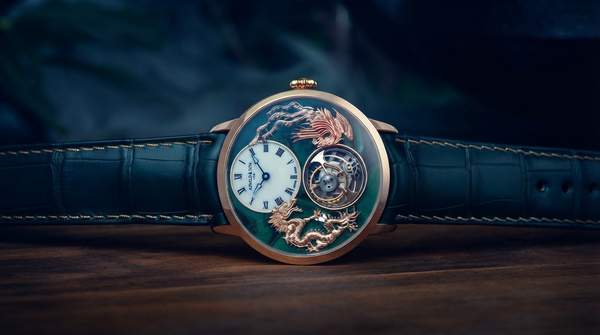
Luxury Limited Editions: When Scarcity Signals Real Value and When It's Just Marketing
Luxury limited editions retain value as assets only when their scarcity is genuine, the brand manages exclusivity well, and the item aligns with its core identity. Otherwise, a "limited" release is often a marketing tactic whose premium fades.

Choosing Between Supply, Time, and Demand Scarcity: A Marketer's Decision Framework
Marketers can strategically choose scarcity tactics—supply, time, or demand-based—using a decision framework that considers brand familiarity and marketing goals. Research indicates supply-based scarcity most strongly influences purchase intentions, especially for less familiar brands.
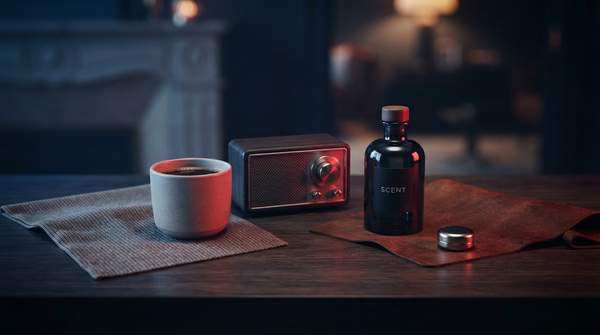
Why Sensory Branding Works: A Framework for Reading the Sights, Sounds, Smells and Textures Behind a Brand
Sensory branding works by leveraging the brain's holistic processing of cues; when sensory elements are congruent and coherent, they enhance consumer perception, emotional connection, and memory. This article provides a framework for analyzing how sensory tactics map to psychological effects to build immersive brand experiences.
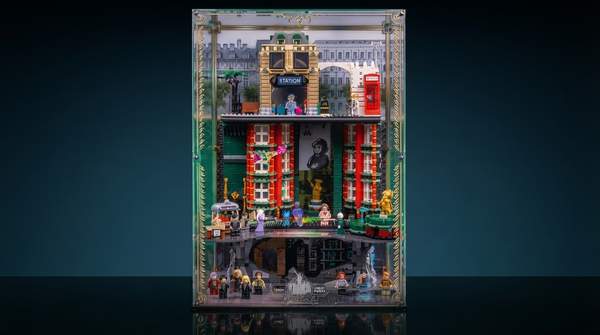
Scarcity Marketing, Decoded: How to Tell Real Rarity From Manufactured Hype
Scarcity marketing leverages psychological triggers like FOMO to increase perceived value, but it's crucial to distinguish between genuine supply constraints and manufactured hype. This guide provides a framework to evaluate the source of scarcity and make informed purchasing decisions.
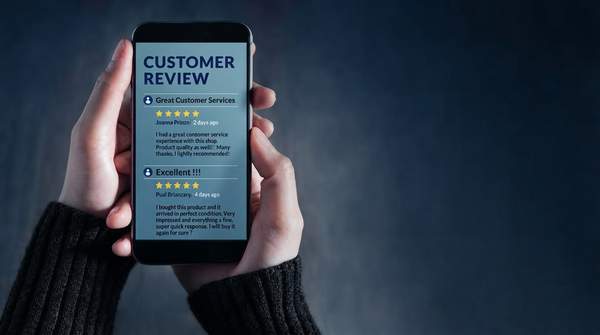
Why Online Reviews Build Brand Trust — and Why Most of Us Can't Spot the Fake Ones
Online reviews significantly influence purchasing decisions, yet consumers often struggle to distinguish authentic feedback from fake comments. This article explores the psychology behind review trust and provides practical checklists for shoppers and strategies for brands to build genuine credibility.

What Are Psychological Biases Affecting Brand Loyalty and Ethical Marketing?
Despite a deadly product tampering crisis, Tylenol's sales rebounded to pre-incident levels within a year due to radical transparency and swift ethical action.

What Are Brand Archetypes and Why Do They Matter for Identity?
BrewDog, a company embodying the 'Outlaw' brand archetype, achieved an average annual growth of 167% ( templafy ).

What Are Brand Archetypes and Why Do They Matter for Your Brand?
Imagine a customer choosing your product not because of its features or price, but because an ancient, subconscious pattern in their mind instinctively recognizes and trusts your brand.

What is the psychology of impulse purchases and how does it affect consumer behavior?
It has been estimated that about 62% of all purchases made in physical stores are driven by sudden, unplanned impulses, overriding careful consideration.

What is the psychology of brand trust and consumer relationships?
Two months after the fake account fraud revelations, Wells Fargo's consumer sentiment numbers virtually reversed, according to Brandtrust .

What Consumer Psychology Principles Drive Purchasing Decisions?
Worldwide e-commerce purchases are estimated to reach $6.

AI hyper-personalization marketing erodes privacy, creating ethical dilemmas by 2026.
AI systems now exploit psychological triggers like fear of missing out and loss aversion, not just to sell products, but to continuously refine their persuasive power, making every online interaction

What Are Brand Archetypes and How Do They Boost Marketing?
In 2017, Lego garnered 280,314 expressions of love in Europe, securing its position as the third most loved brand, according to Iconicfox .

What psychological triggers drive impulse buying in brand marketing?
Impulsive buyers frequently experience low self-esteem, elevated anxiety, depression, and a pervasive negative mood, making them particularly susceptible to unplanned purchases.

What is the Psychology of Brand Loyalty and Emotional Connections in 2026?
A new study is already conducting a bibliometric analysis of existing literature on the influence of AI on brand loyalty, signaling a future where even our deepest emotional connections to brands are

How AI Redefines Psychological Principles of Brand Loyalty
AI-powered brand experiences are now fostering emotional connections and trust between consumers and businesses, a dynamic previously thought to be purely human-driven.

Beauty Brands Need Realistic Standards to Avoid Alienating Youth
Roughly half of girls aged 14-18 express dissatisfaction with their bodies, a pervasive issue exacerbated by the beauty industry's advertising norms.

What are the psychological foundations of brand trust?
For every point of increased brand loyalty, consumers show a measurable increase in their willingness to pay, turning psychological connection into tangible profit.

What psychological triggers drive impulse buying and brand influence?
Before making a major emotion-driven purchase, experts advise waiting at least 24 hours to allow rational thought to catch up with immediate desire.

What Is the Psychology of Brand Loyalty and Why Does it Matter?
Nearly eight out of ten consumers have remained loyal to a specific brand for a decade or longer, demonstrating a deep, enduring connection that often outweighs price.

What Are Psychological Triggers of Consumer Impulse Buying?
Many online shoppers, after clicking 'buy now,' find themselves staring at their new purchase, wondering 'Why did I just do that?

Outlet malls offer deceptive savings, impacting goods quality.
Shoppers hunting for deals at outlet malls might be surprised to learn that approximately half of the brands there sell products exclusively made for those stores, often at a lower quality than their

What is the psychology of brand loyalty and consumer relationships?
Nearly half of all Ford buyers, 44.

Top 6 Consumer Psychology Principles Brands Use
The $1800 Supreme x Rimowa 82L luggage sold out in a mere 16 seconds, demonstrating the immense power of perceived scarcity and brand hype.

What consumer psychology strategies build brand loyalty and boost profits?
59% of U.S. consumers state that once they’re loyal to a brand, they’re loyal to it for life, according to DriveResearch . This finding reveals a significant opportunity for businesses in 2026 to cult

What Are Consumer Psychology Principles for Building Brand Loyalty?
Nearly half of all Ford buyers, 44.

The Psychology Behind Fast Fashion's Endless Trends
Consumers today buy 60% more clothes than in 2000, only to wear them fewer than seven times before discarding them, according to Projectcece .

Beyond Archetypes: Evolving Fashion Branding & Consumer Identity
A significant portion of consumer purchasing decisions are made on a subconscious level, often bypassing the rational frameworks brands try to impose.

AI agents are eroding brand trust, and marketers are losing control.
A staggering 83% of advertising executives report their company has already deployed AI in the creative process, a significant jump from 60% just last year, according to the IAB .

What is the psychology of brand loyalty and how does it build consumer connections?
Nearly half of consumers (47%) lack confidence that brands are using their data responsibly, creating a significant hurdle for companies aiming to build lasting customer relationships.