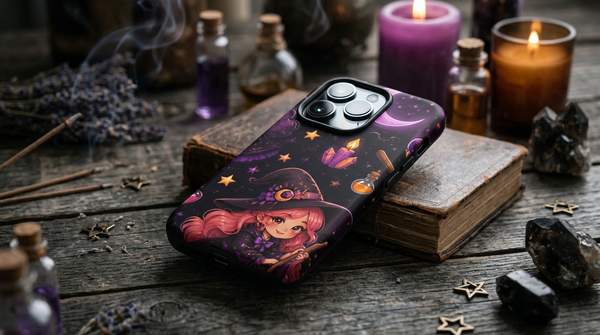
Low-quality, AI-generated products are flooding online storefronts this holiday season, and the giveaways are hiding in plain sight: distorted images, generic descriptions, and seller profiles with no human behind them. The good news is that a shopper can catch most of these warning signs in a minute or two, using a simple checklist organized around what you see, what you read, and who is selling.
Writer Marc Magrini, covering holiday shopping for SlashGear, notes that cheap gifts advertised, described, and possibly even created entirely with AI are "almost definitely" going to appear in your search results as the holidays approach. These are indicators, not proof — a listing can show one red flag and still be legitimate — but the more flags stack up, the safer it is to walk away.
What Is 'AI Slop' and Why Avoid It?
"Slop" is the emerging shorthand for content churned out with generative AI tools that may look authentic at first glance but, as Coursera's staff writers put it, "often lacks accuracy, originality, or meaningful substance." The flood is a supply problem as much as a quality one: as generation tools have become faster and more accessible, individuals and companies can produce high volumes of low-quality material with minimal effort.
In the physical-gift context, the concern is twofold. First, a slop product embodies little human imagination — a design was likely prompted rather than drawn, and the item is mass-produced to chase a trend. Second, quality and longevity suffer: mismatched prints, incoherent designs, and thin descriptions usually signal an item nobody stood behind. Importantly, this is not an argument against every product that touches AI somewhere in its design or marketing. Even Magrini acknowledges that known companies sometimes use generated artwork in product images, and those items "might end up being actually high-quality." The target here is the low-effort, mass-produced end of the spectrum.
Visual Red Flags: What to Look for in Product Images
Start with the product photos, because generative tools still struggle with the details humans notice instinctively. Coursera's guidance on recognizing AI content lists the recurring failures: anatomically inaccurate figures, bizarre or absurdist elements, and unnatural movements. Look closely at hands, eyes, and any text rendered inside the image itself — these are the classic failure points where shapes blur or lines don't connect.
Partnership on AI, a nonprofit that built an industry framework on AI content disclosure, frames it as a trust exercise: the tools are imperfect, but "if you know what to look out for you can still spot what is likely an AI-generated image or video." Its visual checklist includes low-quality footage where details are indiscernible, and lighting that looks off or fails to hit reflective surfaces the way real light would. For gift videos — unboxings, demo clips — the Yahoo Shopping edition of Magrini's tips adds a decisive cue: if the video cuts between scenes every few seconds, or the movement seems unnatural, you might not be watching actual people using the product.