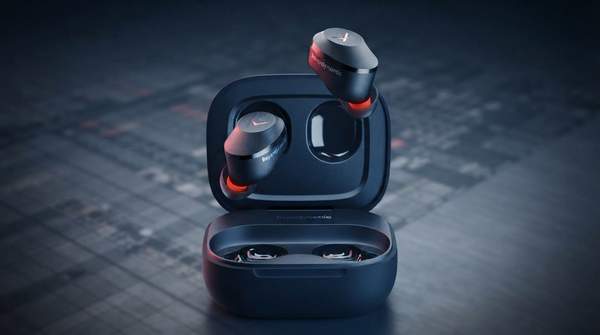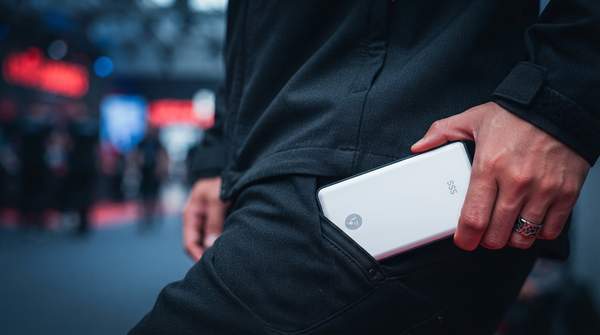
There is no single best portable SSD in 2026 — there is only the best one for your priority. The Crucial X10 Pro leads on sustained write speed, the SanDisk Extreme leads on environmental protection, and the Samsung T9 offers the most complete package with bundled encryption software. Here is how the three drives compare, and where each one quietly gives something back.
Introduction: Choosing Your Ideal Portable SSD
All three drives sit on the same USB 3.2 Gen 2x2 (20Gbps) interface, which means none of them can hit their advertised ceiling without a matching port on your computer — a detail that catches plenty of buyers off guard. Advertised sequential speeds range from 2,000 MB/s on the Samsung T9 and SanDisk Extreme to 2,100 MB/s on the Crucial X10 Pro, per Crucial's official product pages and Micron's datasheet. But as Tech Insider's comparison of the three drives notes, "the gap between advertised and real-world numbers is the detail most buying guides skip." That gap is where the real decision lives.
Performance Powerhouse: Sustained Write Speeds Compared
On paper, the Crucial X10 Pro is the fastest of the three, rated at up to 2,100 MB/s read and 2,000 MB/s write. In third-party testing of 2TB models, it also holds that lead in the real world: Tech Insider's August 2026 comparison measured roughly 1,710 MB/s sustained write — the fastest of the trio — against about 1,680 MB/s for the Samsung T9.
The T9's own numbers come from StorageReview's independent testing, which measured 1,566 MB/s read and 1,581.6 MB/s write, below its advertised 2,000 MB/s ceiling. That shortfall is normal, as the comparison explains, for cache-based portable SSD architectures once a transfer exceeds the fast-cache size. Ian Chiu's testing at Everything USB adds context: the T9 maintained an impressive sustained write speed throughout a 400GB folder transfer long after the SLC cache was exhausted.
The 2026 SanDisk Extreme is the open question. It advertises up to 2,000 MB/s, but it has not yet been independently benchmarked for sustained write speed, so its real-world performance on large transfers remains unconfirmed.
Built to Last: Durability and Environmental Protection
This is where the three drives genuinely diverge. The SanDisk Extreme carries an IP65 dust and water resistance rating — the strongest environmental protection of the three, confirmed on SanDisk's outgoing model and carried into the current generation. The Crucial X10 Pro is rated IP55, protecting against dust and water jets but not full water ingress. B&H Photo's spec comparison lists drop resistance of roughly 10 feet (3 m) for both the SanDisk and Crucial drives.
The Samsung T9 is the outlier. Its rubberised shell feels rugged and it is drop-resistant, but it carries no formal IP rating for dust or water resistance. It will survive a fall from your desk; you should not assume it survives rain or sand. If your work takes you outdoors, that missing certification is the single most important spec-sheet gap in this comparison.
Safeguarding Your Data: Encryption and Security Features
All three drives support AES 256-bit hardware encryption at the hardware level, per B&H's specification data. The difference is what ships in the box. The Samsung T9 includes Samsung's Portable SSD software to manage that encryption, and the SanDisk Extreme pairs its hardware encryption with SanDisk's SecureAccess software.
The Crucial X10 Pro does not. As Nadia Dubois's Tech Insider comparison puts it, Crucial's consumer-tier drives "generally skip the bundled hardware encryption software that Samsung and SanDisk both offer." The encryption hardware is there, but you will need to supply your own management tool — a minor concession for some buyers, a dealbreaker for anyone carrying client or confidential data.
Portable SSD Decision Matrix
Map your top priority to the drive that leads on it, then check what you give up in the other two columns.
| Priority | Samsung T9 | Crucial X10 Pro | SanDisk Extreme (2026) |
|---|---|---|---|
| Sustained write speed | ~1,680 MB/s (2TB, third-party test); 1,566 MB/s read / 1,581.6 MB/s write per StorageReview | Best pick. Up to 2,100 MB/s read / 2,000 MB/s write advertised; ~1,710 MB/s sustained (fastest of the three) | Up to 2,000 MB/s advertised; not yet independently benchmarked |
| Physical durability | Rubberised shell, drop-resistant, but no formal IP rating | IP55; drop-resistant to ~10 ft / 3 m | Best pick. IP65; drop-resistant to ~10 ft / 3 m |
| Data security | Best pick. AES 256-bit hardware encryption with bundled Samsung Portable SSD software | AES 256-bit hardware encryption, but no bundled encryption software on the consumer model | AES 256-bit hardware encryption with SanDisk SecureAccess software |
Read the matrix by column, not by row: each drive wins exactly one priority outright, and the winner's weakness sits in a different column. The Crucial X10 Pro takes speed but drops the bundled encryption software. The SanDisk Extreme takes durability but has no verified sustained-write number yet. The Samsung T9 takes the software experience but gives up the IP rating.
Key Trade-offs to Consider
Three compromises deserve a second look before you click buy. First, the T9's ruggedness is informal: it is built to take drops, but without an IP rating you are trusting the rubber shell rather than a certification, unlike the IP55 Crucial and IP65 SanDisk. Second, the X10 Pro's speed advantage comes packaged without companion encryption software — fine if you already use your own tooling, a gap if you expected a turnkey secure drive. Third, the SanDisk Extreme's IP65 rating is its strongest verified asset, but its sustained write speed for this generation is unconfirmed until independent labs run the same full-drive fill tests already applied to the T9, X10 Pro, and the outgoing Extreme PRO V2.
Warranty and value also tilt the field: the Crucial carries a 5-year limited warranty against the T9's 3 years, and at 2TB Tech Insider's test-bench pricing put the X10 Pro around US$129 versus roughly US$139 for the T9 — though prices fluctuate, so treat those as snapshots rather than commitments.
Making Your Choice: Prioritizing Your Portable SSD Needs
Select the Crucial X10 Pro for maximum sustained write speed, the SanDisk Extreme for superior physical durability, or the Samsung T9 for a balanced feature set with integrated encryption software. The measurable indicator of a good choice: the reader's chosen SSD will consistently meet their primary use case requirements — fast video transfers, reliable field use, secure data storage — without unexpected performance or protection gaps.
Before you buy, confirm two things your spec sheet cannot: that your computer has a USB 3.2 Gen 2x2 port to unlock the advertised speeds, and — if the SanDisk Extreme is your pick — watch for independent sustained-write benchmarks on the 2026 model, which are the next data point that would complete this comparison.
Sources
- Best Portable SSD 2026: T9 vs SanDisk vs X10 Pro — Tech Insider
- Six Fastest USB 3.2 SSDs Compared — Everything USB
- Bhphotovideo