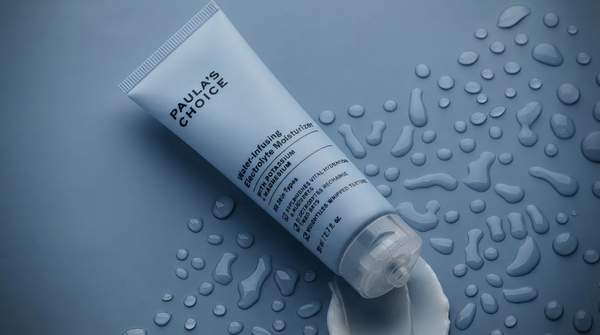
Electrolytes in skincare are mineral salts—magnesium, potassium, sodium, and calcium among them—that brands increasingly promote as hydration ingredients. The evidence behind the trend suggests they work differently than traditional moisturizers: rather than simply pulling water to the surface or sealing it in, they support the skin's own moisture balance and barrier function. Here is what the available explanations say about how these minerals function, and how to tell them apart from the humectants and occlusives you already know.
What are Electrolytes in Skincare?
In a skincare context, "electrolytes" refers to mineral salts incorporated into topical formulations. The trend sits within a broader consumer shift, as mineral supplier Lohmann describes it, toward products "that support long-term skin health rather than offering only short-term cosmetic benefits." High-purity mineral salts, the company notes, offer a broad range of possibilities for cosmetic applications, and formulators are building mineral-based concepts around skin balance and wellness.
The functional claim behind these ingredients is hydration. Writing for Healthline, Colleen de Bellefonds reports that electrolytes do not hydrate in the way marketing language might suggest—instead, they support the skin's barrier function to reduce water evaporation. That distinction matters: it positions electrolytes as ingredients that help skin manage its own moisture, not as substances that add water from the outside.
Industry ingredient coverage frames the same idea in more expansive terms. A Skin Inc. ingredient feature describes electrolytes as functioning as "moisture factors and water-binding agents that attract and retain water," while also forming a protective surface barrier that prevents moisture loss and keeps skin "hydrated and plump." The piece also credits these minerals with providing relief to skin experiencing transepidermal water loss (TEWL) and barrier disruption from seasonal change.
Key Electrolyte Minerals and Their Specific Roles
Four minerals appear most often in electrolyte skincare claims: magnesium, potassium, sodium, and calcium. Their described roles overlap on hydration but diverge in emphasis.
- Magnesium is described by Lohmann as one of the most recognized minerals in beauty and wellness applications, with magnesium salts suited to formulations targeting skin comfort, hydration, and mineral-inspired care concepts. Skin Inc.'s coverage adds that magnesium has anti-inflammatory properties that can help soothe irritated skin and reduce redness.
- Calcium is credited with a structural role. Lohmann states that calcium "plays an important role in skin structure and barrier function," with calcium salts supporting concepts focused on skin resilience. Skin Inc. likewise lists calcium among the electrolytes with anti-inflammatory properties.
- Potassium salts, per Lohmann, contribute to mineral-based formulation concepts focused on skin balance and wellness.
- Sodium appears on lists of common skincare electrolytes, but the available explanations identify it as an electrolyte without detailing a distinct topical function.
One caveat applies across all four: the benefits described are based on the general functions of these ingredients, not on clinical trials of specific finished formulations. Anti-inflammatory claims in particular are attributed to the minerals themselves rather than to tested products.