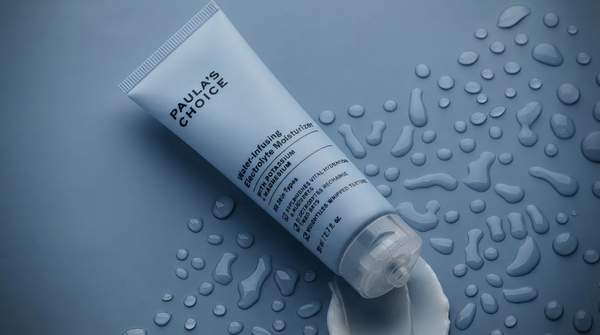
"Electrolytes" on a skincare label sounds like sports-drink science borrowed for your face — and that is more or less what it is. In skincare, the term refers to mineral salts such as sodium, potassium, calcium, chloride, phosphate, and magnesium, the same water-attracting minerals your body uses internally. The trend is real, but the evidence behind individual products varies widely, so the useful question is not whether "electrolyte skincare" works, but whether a specific product's claims are backed by its ingredients and by credible testing.
The 'Electrolyte Skincare' Buzz: What's Behind the Trend?
The category emerged from the wellness movement's obsession with internal hydration. Reporting by Colleen de Bellefonds for Healthline notes that electrolyte skin creams were touted as "the next big beauty trend" in the British and Australian press and dubbed "the hydration ingredient of 2020" by skincare industry insiders. The marketing logic is borrowed directly from drinks: if replenishing electrolytes helps your body retain water, the implied pitch is that applying them topically will do the same for your skin.
Industry suppliers have embraced the framing. Mineral-salt producer Lohmann describes electrolyte skincare as reflecting a larger shift in beauty, with consumers seeking products that combine "scientific understanding, ingredient transparency and holistic well-being," and positions high-purity mineral salts as functional ingredients for facial care, body care, hydrating formulations, and sensitive-skin concepts. In other words, the trend is an extension of internal wellness into topical products — a marketing story first, and a formulation strategy second.
Defining 'Electrolytes' in Skincare: More Than Just Buzzwords
Strip away the packaging and "electrolytes" means mineral salts. Healthline's explainer identifies sodium, chloride, and potassium as the minerals behind electrolyte drinks, and in the skincare context describes sodium and potassium as electrolytes that help skin cells lock in water and maintain pH, contributing to a fresh, plump, hydrated look. That is a plausible mechanism: these minerals genuinely attract water in the body.
But the scientific picture is more textured than the marketing. A review of skin minerals published in the National Library of Medicine notes that no consensus has been reached on calcium's presence in the stratum corneum, with some research groups seeing it there and others claiming its complete absence when the functional permeability barrier persists. The same review cautions that topical penetration of elements into the skin is limited by the natural protective barrier of the stratum corneum. So while minerals play documented physiological roles in skin, "electrolytes" on a label is a marketing term highlighting water-attracting and barrier-related properties — not a guarantee of measured benefit in that jar.