
Ingredient Transparency
7 articles
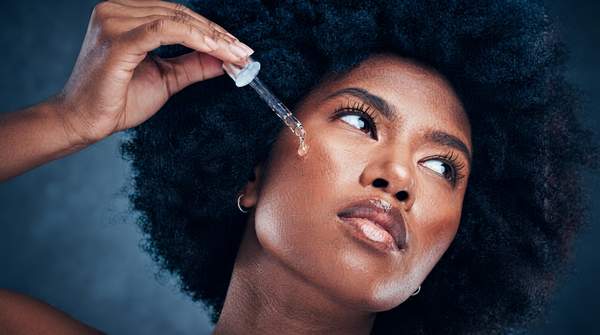
How to Evaluate Any DTC Beauty Brand: A Three-Part Framework for Ingredients, Cruelty-Free Claims, and Loyalty Value
Evaluate direct-to-consumer beauty brands using a three-part framework focusing on ingredient transparency, the rigor of cruelty-free claims, and the value of loyalty programs. This process helps consumers make informed choices aligned with their personal values.
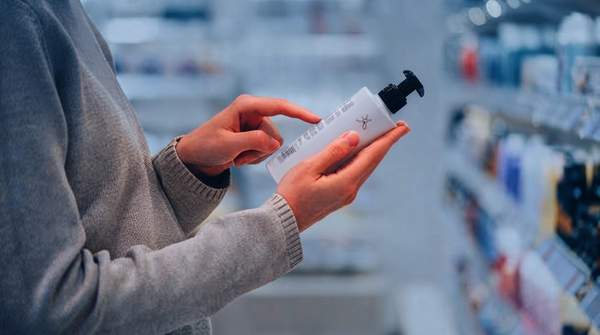
How to Decode "Clean Beauty" Labels: A Three-Step Framework Consumers Can Actually Use
With "clean beauty" lacking a legal definition in the US, consumers need a reliable verification method. This guide offers a three-step framework to decode labels by scrutinizing buzzwords, reviewing ingredients, and verifying third-party certifications.
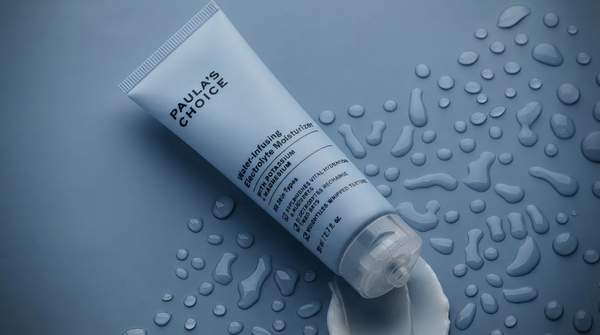
Electrolytes in Skincare: What the Trend Actually Means and How to Judge Any Product's Claims
Electrolyte skincare uses mineral salts to attract water, but the trend's claims often lack scientific backing. Evaluate products by checking ingredient lists for specific mineral salts and demanding verifiable scientific evidence for claimed benefits.

Top 9 Skincare Brands Dominating the Global Market in 2026
In 2023, indie brands captured 35% of the global prestige skincare market's growth, according to Euromonitor International.

Consumer Demands For Proof-Based Beauty Data Transparency Grow
Fifty-six percent of consumers prioritize fragrance-free formulations, while 33% actively avoid paraben-containing products, according to Personal Care Insights.

What to Look For in Clean Beauty Certifications by 2026
Retailers may soon demand proof of 'clean' claims beyond a simple label, making robust third-party certification a necessary step for brands to gain shelf space.

A Buyer's Guide: How to Identify Truly Ethical and Safe Clean Beauty Products
Confused by "clean," "natural," and "green" beauty claims? This guide breaks down how to identify truly ethical and safe formulations in a largely unregulated market.