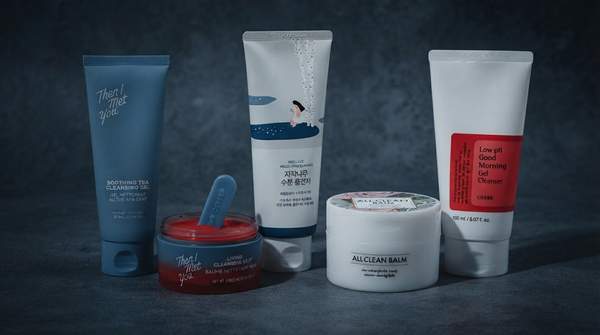
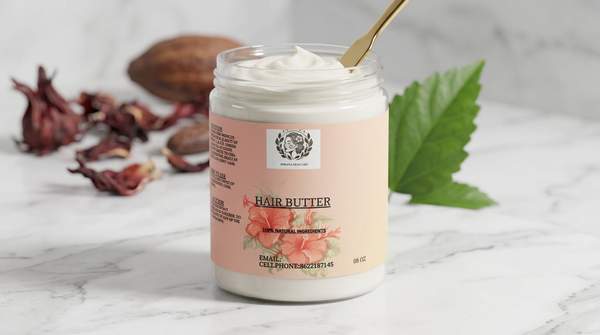
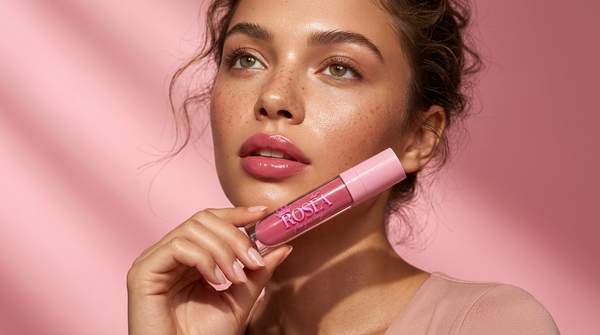
In South Korea, nearly half of all men aged 18-34 now incorporate at least one 'booster' or 'essence' into their daily skincare, a stark departure from traditional soap-and-water routines, according to K-Beauty Insights. This marks a profound evolution in male grooming, moving beyond simple cleansing to targeted skin health solutions. Younger demographics are now making a deeper investment in personal appearance and overall wellbeing, signaling a broader cultural transformation.
Historically, male consumers were served by simple, minimal skincare lines, often emphasizing convenience and basic hydration. However, a clear tension has emerged: these consumers now actively seek and adopt complex, ingredient-driven P-beauty routines. This shift upends long-held industry assumptions about male preferences, forcing brands to fundamentally rethink their offerings.
The male grooming market will increasingly segment into highly specialized, ingredient-focused offerings, fundamentally redefining male self-care. This evolution will force traditional brands to either adapt their product lines and marketing strategies or risk losing significant market share to agile P-beauty innovators who are already catering to this demand.
What is P-Beauty and Why Are Men Embracing Boosters?
P-beauty, or Performance Beauty, emphasizes high-efficacy, science-backed ingredients, moving beyond traditional 'natural' claims, according to an Industry Report. It prioritizes scientific validation and measurable results through advanced formulations and targeted solutions. A 'booster' in P-beauty refers to concentrated formulas designed to enhance other products, often featuring a single hero ingredient or a potent complex, as defined by Cosmetic Dictionary.
These boosters enable highly personalized routines, allowing individuals to target specific concerns like hydration, brightening, or anti-aging with potent, active compounds. The global male grooming market is projected to reach $81.2 billion by 2024, with skincare identified as its fastest-growing segment, reports Statista. This explosive growth is directly fueled by P-beauty's emphasis on measurable results and specific ingredient benefits, satisfying a male desire for effective solutions far beyond basic hygiene. The implication is clear: men now demand sophistication, disproving the outdated notion that convenience and simplicity are their sole priorities.
The Science Behind the Shift: Key Ingredients and Their Benefits
Ingredients like niacinamide, hyaluronic acid, and vitamin C now dominate male-targeted serums and boosters, marking a profound departure from basic cleansers and moisturizers, according to a Cosmetic Chemist Review. These active compounds directly target specific concerns: reducing inflammation, boosting hydration, improving skin barrier function, and combating oxidative stress. Environmental stressors and anti-aging concerns are primary drivers for men adopting these complex routines, as detailed in a Consumer Survey by Euromonitor.
This focus on targeted solutions reflects a deeper understanding of skin health among male consumers. The market for 'active ingredients' in cosmetics is experiencing significant growth, largely fueled by demand from P-beauty and male skincare. This trend reveals that male consumers are not merely purchasing products; they are actively educating themselves on ingredient efficacy and scientific benefits. The implication is a market demanding sophisticated, ingredient-led solutions, empowering men to address specific skin concerns with precision, leaving generic 'for men' formulations behind.
Beyond the Basics: The Impact on Consumers and Brands
The 'skinification' of male grooming means men actively seek specific solutions for concerns like acne, sensitivity, and hyperpigmentation, moving beyond general hydration, notes a Dermatology Journal. A consumer base that is increasingly informed and discerning about their skincare needs and the ingredients required is signaled. The rise of male beauty influencers on platforms like TikTok and Instagram has normalized the discussion and use of advanced skincare products, a clear trend across social media platforms.
These influencers educate their followers on ingredient benefits, proper application techniques, and multi-step routines, making complex skincare accessible and aspirational for a wider male audience. Brands like Dr. Jart+ and Laneige Homme have seen significant growth in their male-specific lines, driven by ingredient-focused marketing that resonates with this new consumer, according to brand sales data. This dynamic, fueled by social media and targeted marketing, is forging a highly informed and demanding male consumer, compelling brands to innovate beyond traditional 'simple and masculine' offerings and embrace radical ingredient transparency.
Your Questions Answered: Navigating the New Male Skincare Landscape
What are the top male skincare trends for 2026?
For 2026, male skincare trends will intensify around personalization and sustainable sourcing. Consumers increasingly seek tailored solutions, often powered by AI diagnostics and online consultations, to address individual skin concerns effectively. This growing demand for ethically sourced and environmentally friendly ingredients is fundamentally reshaping brand innovation and purchasing decisions.
Are booster ingredients effective for all skin types?
Booster ingredients can be highly effective across various skin types, but proper selection and application are crucial for optimal results. Misinformation about active ingredients and improper product layering is a growing concern, sometimes leading to irritation or reduced efficacy among new male skincare users, according to a Dermatologist Panel. Consulting a dermatologist or utilizing reliable educational resources helps ensure that specific ingredients are suitable for an individual's unique skin needs and existing routine.
How should men properly layer multiple active ingredients?
Many men remain unsure how to properly layer multiple active ingredients without causing irritation or reducing efficacy, a common observation in skincare education forums. A general rule dictates applying products from thinnest to thickest consistency: cleansers, toners, essences, serums (boosters), moisturizers, and finally SPF in the morning. Introducing new active ingredients one at a time, while carefully observing skin reactions, prevents adverse effects and builds an effective routine.
The Future of Male Grooming: Sophistication and Personalization
The male skincare market faces an irreversible transformation, driven by P-beauty's influence and a demanding consumer base. Traditional brands, struggling with escalating demands for transparency and efficacy, risk losing market share to agile P-beauty startups. The future of male grooming will center on personalized, results-driven routines, often leveraging AI diagnostics and sustainable ingredients. By Q3 2026, brands failing to offer sophisticated, ingredient-focused products will likely see further market share erosion, with companies like Dr. Jart+ continuing to expand their advanced male-specific lines. This trend signifies a permanent shift away from traditional 'masculine' simplicity in male grooming.