When a cold cream your grandmother used or a body mist from the early 2000s suddenly reappears on store shelves, the revival is rarely accidental. Beauty trends cycle back for a reason, and the pattern is consistent enough to be broken into parts: psychological comfort drawn from nostalgia, social amplification through digital platforms and celebrities, and deliberate market strategy by brands that spot demand and scale it. Understanding how these three forces interact explains not just which trends return, but why any given revival catches on.
Psychological Comfort: The Power of Nostalgia
The first driver sits inside the consumer. Nostalgia, as the marketing analytics firm MikMak explains, works because products tied to fond memories carry a "deep and persisting emotional connection"—a tube of refrigerated dough can transport a shopper back to a childhood kitchen. The firm points to a telling example: cupcake sales surged during an economic recession, suggesting that when the present feels uncertain, consumers reach for the familiar.
Academic research supports this mechanism. A study published in the ACR Journal on digital nostalgia marketing—drawing on a mixed-method analysis of nostalgic digital ads and a structured survey of 386 Gen Z respondents in urban India—found that past-centric advertising leverages emotional recall to drive engagement and purchase intentions. Citing earlier consumer research, the study notes that nostalgic advertisements elicit stronger emotional responses than non-nostalgic ones, resulting in higher purchase intentions.
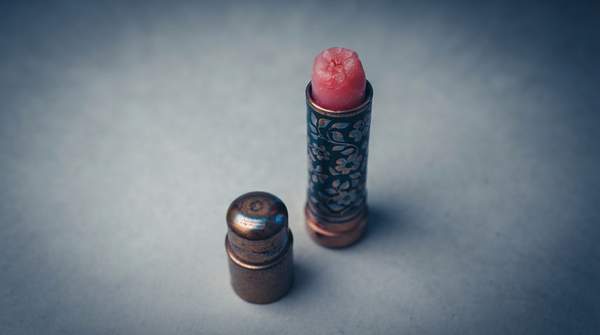
For beauty specifically, this means a returning trend is never just an aesthetic. A vintage lipstick shade or retro packaging format arrives pre-loaded with feelings of safety, simplicity and continuity. That emotional head start is what makes revivals commercially viable rather than merely quaint, and it is the raw material the other two drivers amplify.
Social Amplification: How Digital Platforms Reshape the Past
The second driver is distribution. Writing on retro beauty revivals for Beauty Dermal, Natty Lee observes that celebrities and influencers frequently give old styles "a modern twist," and that when social media personalities begin promoting a particular aesthetic—whether eclectic or "old money"—those styles can gain popularity in the new year. The same article notes that consumer behavior, feedback and purchasing patterns significantly shape which tendencies gain traction and become mainstream.
Digital platforms do more than spread trends; they change how the past itself is packaged. The ACR Journal study describes how nostalgia has been "remediated and digitized" through YouTube, Instagram and TikTok, which make retro content easily accessible. Crucially, these platforms curate nostalgia not through personal memory but through aesthetic references, music and visual motifs. A 1990s makeup look no longer requires having lived through the 1990s—it requires only a well-edited feed.
This is a structural shift from earlier trend cycles. Where a returning style once depended on magazines and retailers deciding it was time, today a single creator's vintage-inspired tutorial can reach millions, and the algorithm rewards content that performs emotionally. The past, filtered and aestheticized, becomes endlessly shareable raw material.