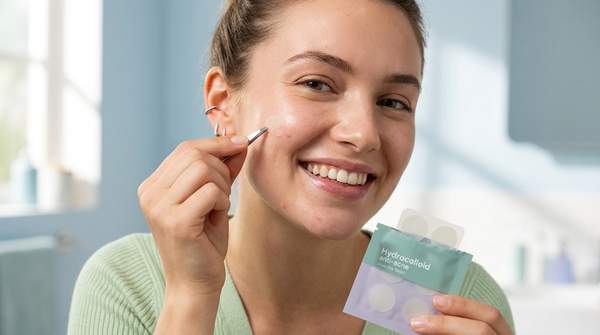
Salmon sperm treatments, utilizing purified polynucleotides, are currently under investigation for their potential to diminish fine lines, enhance skin hydration, and improve overall texture, according to BBC. This innovative approach marks a significant departure from conventional skincare ingredients, offering new avenues for aesthetic improvement within beauty routines.
However, many skincare products promise transformative results, but achieving genuine benefits often requires precise application and an understanding of ingredient science to prevent irritation and damage.
Consumers who prioritize scientific understanding and careful application over marketing trends are more likely to achieve sustainable skin health and visible improvements.
The Science Behind Skincare: More Than Just Marketing
The scientific community is now scrutinizing purified polynucleotides from salmon sperm, exploring their precise mechanisms to diminish fine lines, boost hydration, and refine skin texture, according to BBC.com. This emerging biotechnology marks a novel pathway to skin revitalization.
Separately, L-ascorbic acid (vitamin C) remains the only effective form of vitamin C in skincare products, proven to stimulate collagen synthesis, states PubMed. Effective skincare, therefore, relies on a diverse range of scientifically-proven compounds—from advanced biotechnologies like polynucleotides to established vitamins—each targeting specific cellular actions.
The exploration of purified polynucleotides from salmon sperm as a viable treatment for reducing fine lines and improving skin texture is a stark departure from traditional, plant-derived or vitamin-based skincare ingredients.
Building an Effective Routine: Key Ingredients and Practices
Products containing alpha-hydroxy acids (AHA) may address fine lines, wrinkles, irregular pigmentation, age spots, and enlarged pores, notes PubMed. These ingredients accelerate cell turnover, revealing smoother, more even-toned skin.
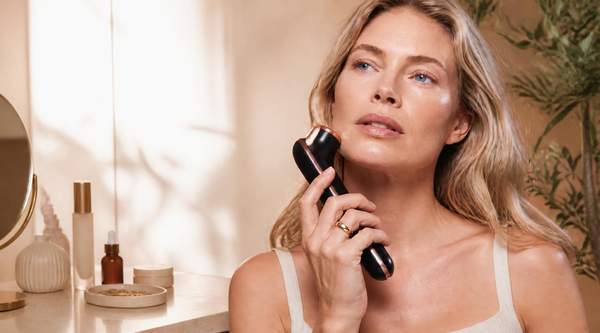
Daily application of broad-spectrum sunscreen with an SPF of 30 or higher is essential, advises PeninsulaDermatologyVA. Consistent sunscreen use protects against UV damage, which is a primary driver of premature aging.
Incorporating these key ingredients and practices consistently can lead to significant improvements in skin texture, tone, and protection against environmental damage. While the skincare industry chases breakthrough treatments like salmon sperm polynucleotides, the evidence suggests that consistent, basic practices—like daily sunscreen—remain the most impactful yet often undervalued pillars of long-term skin health.
Avoiding Common Mistakes: Protecting Your Skin Barrier
Over-exfoliating can damage the skin’s natural barrier, causing irritation, redness, and increased sensitivity, warns PeninsulaDermatologyVA. This counteracts the intended benefits of active ingredients.
To avoid skin irritation from AHA products, start with a maximum concentration of 10% to 15% AHA and apply initially every other day, advises PubMed. This cautious approach allows the skin to acclimatize to potent ingredients.
Health.com highlights the proven benefits of AHAs for fine lines and pigmentation, yet PeninsulaDermatologyVA warns that over-exfoliating can damage the skin's natural barrier. This implies that the very ingredients capable of delivering significant results also carry a high risk of causing harm if not applied with extreme caution, making user education paramount. Companies marketing potent skincare ingredients like AHAs without clear, explicit warnings about starting concentrations and frequency are setting consumers up for irritation and barrier damage, undermining the very benefits they promise.
What are the most effective skincare ingredients for 2026?
Effective ingredients in 2026 include L-ascorbic acid for collagen synthesis and AHAs for improving skin texture and pigmentation. Additionally, peptides are gaining traction for their role in signaling skin cells to produce more collagen and elastin, contributing to firmness. Consistent daily use of broad-spectrum sunscreen with an SPF of 30 or higher remains crucial for preventing future damage.
How do different skincare ingredients interact with each other?
Potent ingredients like AHAs and retinoids should not be applied simultaneously, as this can lead to increased irritation and compromise the skin barrier. It is often recommended to use them on alternate nights or at different times of day to minimize adverse reactions. Always introduce new active ingredients one at a time to observe individual skin responses.
What are the best skincare ingredients for anti-aging in 2026?
For anti-aging in 2026, L-ascorbic acid continues to be vital for collagen production, while AHAs aid in cell turnover. Niacinamide (Vitamin B3) also plays a key role by improving skin elasticity, reducing hyperpigmentation, and strengthening the skin barrier against environmental stressors. Regular application of a broad-spectrum SPF 30+ sunscreen is the most impactful preventative anti-aging strategy.
By Q3 2026, the market for informed consumer education, particularly regarding precise application protocols for potent ingredients like L-ascorbic acid and AHAs, is expected to see significant growth as individuals seek to avoid barrier damage and achieve genuine skin health.