BrandDeepDive
Brand SpotlightsProduct ReviewsTop ListsComparisonsBuying Guides
BrandDeepDive

Uncovering the stories behind the brands we love.

BrandDeepDive offers in-depth reporting and analysis on the world's most influential brands. From product reviews to industry trends, we provide insights that empower consumers and inform business leaders.

Sections

  • Brand Spotlights
  • Product Reviews
  • Top Lists
  • Comparisons
  • Buying Guides
  • Beauty
  • Industry Picks

Writers

Meet our writers →

Trending Topics

Artificial IntelligenceFashion TrendsSustainabilityConsumer BehaviorCybersecurityAi EthicsBrand StrategyTech Reviews

About

  • Contact
  • Privacy Policy
  • Terms of Service

© 2026 BrandDeepDive. All rights reserved.

  1. Home
  2. /Beauty
  3. /Understanding Truly Unsafe Skincare Ingredients
Beauty

Understanding Truly Unsafe Skincare Ingredients

Of the 1194 individual cosmetic ingredients addressed by the Cosmetic Ingredient Review (CIR) program, only nine have been deemed unsafe for use in cosmetics, according to Pure .

SD
Sofia Duarte

April 24, 2026 · 4 min read

Diverse individuals carefully reading skincare labels, symbolizing informed consumer choices and understanding of cosmetic ingredients.

Of the 1194 individual cosmetic ingredients addressed by the Cosmetic Ingredient Review (CIR) program, only nine have been deemed unsafe for use in cosmetics, according to Pure. The figure of only nine unsafe ingredients reveals a robust, ingredient-by-ingredient safety assessment process already in place, offering a critical perspective for consumers navigating skincare choices in 2026.

Many consumers worry about a vast array of 'harmful' chemicals in their skincare products. However, regulatory bodies have consistently found that only a tiny percentage of reviewed ingredients are actually unsafe. This creates a disconnect between public perception and scientific evaluation.

Consumers should prioritize understanding actual prohibited ingredients and regulatory oversight rather than being swayed by broad, often unsubstantiated, claims about 'toxic' chemicals. A clear understanding of these regulations can empower more informed product choices.

Understanding What 'Harmful' Really Means in Skincare

In the United States, a cosmetic cannot legally contain any ingredient that renders the product harmful when used as directed, a baseline established by the FDA. The CIR program extends this oversight, categorizing 683 ingredients as safe for use in cosmetics under their current practices and concentrations, according to Pure. The extensive, nuanced regulatory framework, which has deemed only nine out of 1194 reviewed ingredients unsafe, directly challenges the pervasive consumer anxiety surrounding 'toxic' chemicals, suggesting much of the public's concern often misjudges the rigorous safety assessments already safeguarding the market.

The Few Ingredients You Truly Need to Avoid

Specific substances are explicitly forbidden in cosmetics sold in the United States, a testament to the uncompromising nature of existing regulations. These include Bithionol, Chlorofluorocarbon propellants, Chloroform, Halogenated salicylanilides, Methylene chloride, Vinyl chloride, Zirconium-containing complexes, and prohibited cattle materials, as detailed by ExportUSA. Beyond outright bans, another 388 ingredients are deemed safe for use in cosmetics only with specific qualifications, according to Pure. The tiered approach, where 388 ingredients are deemed safe only with specific qualifications, underscores a regulatory philosophy focused on precise risk management rather than blanket prohibition.
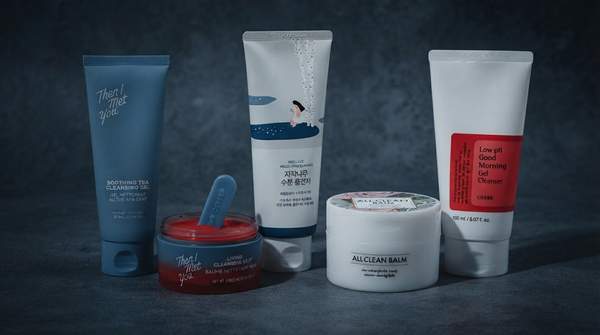
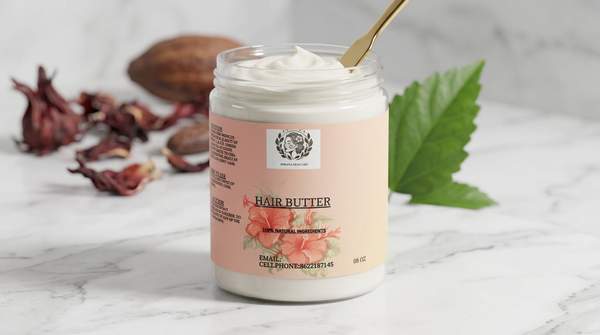
Specific prohibitions and stringent conditions confirm that regulatory bodies act decisively on genuinely harmful or risky ingredients. While Pure identifies nine ingredients as unsafe, implying prohibition, ExportUSA details highly restrictive conditions for substances like Hexachlorophene and Mercury compounds, rather than listing them as outright forbidden. The distinction reveals that 'unsafe' often translates to 'severely restricted under specific circumstances,' not merely 'banned.' The nuanced regulatory stance, managing safety as a spectrum through precise concentration limits and application restrictions, is a critical detail often overlooked in public discourse.

Common Ingredients: Prevalence vs. Perceived Risk

Fragrances appeared in 52.3% of examined products, with limonene and linalool leading the prevalence, according to PMC data. The widespread inclusion of fragrances underscores their fundamental role across diverse cosmetic formulations. Similarly, preservatives were identified in 60% of products, phenoxyethanol being the most frequent, also reported by PMC. The pervasive presence of ingredients like fragrances and preservatives, even across varied product samples, confirms their broad acceptance within regulatory frameworks, often despite prevailing consumer concerns.

Despite persistent consumer concerns about 'chemical-free' products, the widespread use of ingredients like fragrances and preservatives in over half of all formulations stands in stark contrast to the minuscule fraction of ingredients actually deemed unsafe. The disparity between widespread use and minuscule unsafe ingredients highlights a significant disconnect between perceived risk and regulatory findings. Companies leveraging 'chemical-free' marketing often capitalize on these unfounded fears, given that the vast majority of ingredients, even those with specific usage qualifications, are deemed safe under a robust regulatory framework that prioritizes consumer safety without resorting to widespread bans.

Why Specific Restrictions Matter for Your Skincare Choices

Hexachlorophene (HCP) is permitted in cosmetics only when alternative preservatives prove ineffective, and its concentration must not exceed 0.1%, as specified by ExportUSA. The stringent limitation on Hexachlorophene confirms that even historically concerning ingredients can retain highly controlled, niche applications. Moreover, HCP is explicitly prohibited in cosmetics for mucous membranes like lips, nose, and eyelids, according to ExportUSA. Grasping these precise regulatory boundaries for ingredients such as Hexachlorophene enables consumers to make informed choices, moving beyond generalized anxieties to actual safety guidelines.

Addressing Common Questions About Ingredient Safety

What are the most common harmful ingredients in skincare?

The most common ingredients deemed genuinely harmful or risky are those explicitly prohibited or severely restricted by regulatory bodies. For instance, substances like Bithionol and Chloroform are entirely forbidden. Mercury compounds are only permitted in eye area cosmetics under highly specific conditions, not exceeding 0.0065% concentration, and only when no alternative preservatives are available, according to ExportUSA.

Are there any natural skincare ingredients that are harmful?

Yes, some natural ingredients can still be harmful or cause adverse reactions, despite their origin. For example, certain essential oils are potent allergens or photosensitizers for some individuals. While not outright prohibited, their potential for irritation or sensitization demonstrates that 'natural' does not automatically equate to 'safe' for all users, necessitating careful consideration of individual sensitivities and product formulations.

As regulatory bodies continue their rigorous oversight, consumer confidence in cosmetic safety will likely grow, provided education on actual ingredient restrictions outpaces unsubstantiated fear-mongering.

Related Coverage from Beauty

  • How to Decode Skincare Labels: Understanding INCI Names and What They Mean
  • Essential Questions Car Buyers Must Ask in 2026
  • AI Reshapes Retail: Digital Engagement & Future Trends

Tags

SkincareBeautyIngredientsSafetyCosmeticsConsumer AwarenessRegulation
SD

Sofia Duarte

Beauty & Fashion Writer

Sofia Duarte is a Beauty & Fashion Writer for BrandDeepDive, covering the latest trends and innovations in cosmetics, skincare, and sustainable fashion. She focuses on translating complex market analysis and consumer behavior into engaging, accessible insights.

More from Beauty

Shoppers receive personalized beauty advice at Target's new Beauty Studio, featuring prestige brands like mixsoon.

mixsoon Expands to Target Beauty Studio, Elevating K-Beauty

Target, long known for its mass-market appeal, now offers personalized guidance from dedicated Beauty Advisors in its new Beauty Studio, featuring over 90 prestige brands.

Sofia Duarte· Sep 9
A modern beauty store with digital displays, refill stations, and AR mirrors, reflecting the H1 2026 US beauty market trends.

US beauty market growth drivers H1 2026 trends show digital dominance

Last quarter, an indie beauty brand focused on refillable packaging saw its sales surge 300% year-over-year, significantly outpacing several legacy giants combined, according to Indie Beauty Collectiv

Nina Kapoor· Sep 9
A young man meticulously applying a skincare booster essence to his face in a modern, minimalist bathroom setting.

What are p-beauty male skincare trends and why do boosters matter?

In South Korea, nearly half of all men aged 18-34 now incorporate at least one 'booster' or 'essence' into their daily skincare, a stark departure from traditional soap-and-water routines, according t

Sofia Duarte· Sep 8
What Beauty Lovers Should Know About Make It Easy, Take It Easy's Holistic Beauty Remedies

What Beauty Lovers Should Know About Make It Easy, Take It Easy's Holistic Beauty Remedies

In a beauty landscape crowded with complex formulas and multi-step routines, many consumers are searching for simpler, more natural alternatives. The YouTube channel Make It Easy, Take It Easy has emerged as a guide for …

Hugo Lambert· Sep 7

Trending Now

1
Abstract visualization of an AI network optimizing digital ad delivery for enhanced brand discovery and consumer engagement.

How AI Reshapes Ad Delivery for Brand Discovery

Industry Picks· 15 views
2
The 3 Overlooked Steps in Litigation Communications: The Story Group Framework

The 3 Overlooked Steps in Litigation Communications: The Story Group Framework

Industry Picks· 12 views
3
A person embodying quiet luxury, dressed in sophisticated, unbranded attire, in an elegant, dimly lit setting.

What is quiet luxury and why is it appealing?

Fashion· 7 views
4
An advanced AI system analyzing a breast cancer mammogram, highlighting the intersection of artificial intelligence and medical diagnostics for improved patient outcomes.

FDA Approves AI Tool to Triage Breast Cancer Mammograms

Technology· 11 views
5
A minimalist, unbranded cashmere sweater on a leather armchair in an opulent, dimly lit study, symbolizing quiet luxury.

What is Quiet Luxury Branding and Why Are Brands Adopting It?

Brand Spotlights· 10 views
6
A futuristic image showing glowing quantum bits interacting with consumer devices like smartphones and smart home systems, illustrating the profound impact of quantum computing on everyday technology.

What Is Quantum Computing and Its Impact on Consumer Technology?

Technology· 13 views