The fashion world's future is being coded in real time, with AI in fashion design signaling a seismic shift driven by algorithms and data. This transformation is gaining momentum, underscored by a surge in related technologies. Trend forecasting firm Heuritech reports the smart textiles market has entered a period of hyper-growth, projected to reach $9.61 billion by 2026, expanding at a compound annual growth rate of 28.9%. This explosion in material innovation is the physical manifestation of a deeper, data-driven intelligence reshaping the industry from thread to trend.
Artificial intelligence is an active collaborator in fashion's creative and commercial processes, fundamentally altering the industry's operating system. AI predicts next season’s color palettes, generates bespoke clothing patterns from user body scans, influences trend forecasting, personalizes design, and optimizes supply chains. This redefines how consumers discover and engage with style, marking a pivotal convergence of fashion art and data analytics for a more responsive, efficient, and imaginative industry.
Data-Driven Fashion Trends: AI's Role in Prediction
Artificial intelligence is introducing a new paradigm of predictive precision to trend forecasting, moving beyond decades of intuition, street style observation, and runway analysis. While traditional methods were slow and subjective, AI platforms now analyze millions of data points from social media, online retail, and cultural events. This allows them to identify and forecast trends with unimaginable speed and accuracy, shifting the industry from reactive to proactive, anticipating consumer desires.
A prime example of this new wave is Heuritech, a Paris-based AI trend forecasting platform. According to a report in Forbes, the platform scans millions of social media images every month to detect emergent patterns in clothing, colors, and silhouettes. The system reportedly identifies over 20,000 distinct trends and can forecast their trajectory up to 24 months in advance, with a claimed accuracy rate of 90%. By quantifying the lifecycle of a trend—from its nascent stage among fashion-forward consumers to its peak in the mass market—AI gives brands a strategic roadmap. This allows for more informed decisions on inventory, reducing the risk of overproduction and the associated waste, a critical concern in an industry where the global textile sector accounts for 6-8% of global CO₂ emissions.
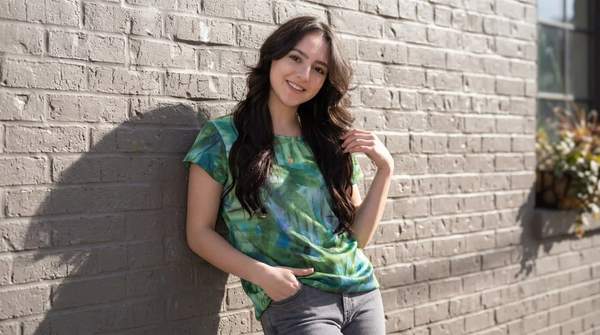
The Impact of AI on Fashion Design Processes
Generative AI is profoundly changing how our clothes are designed, emerging as a powerful creative partner for designers. This subset of artificial intelligence creates new content, acting as a digital co-creator. It enables designers to explore a vast universe of stylistic possibilities impossible to conceptualize manually. As Deepwear.info notes, generative AI allows experimentation with styles, influencing fabric selections, color palettes, and unique patterns. This technology augments, rather than replaces, the designer's vision, turning a simple creative prompt into a multitude of design iterations.
Startups are building sophisticated platforms to integrate this technology directly into the design workflow. Raspberry AI, for example, is a generative AI platform that can convert a designer's hand-drawn sketch into a photorealistic, technically detailed rendering. This innovation dramatically accelerates the prototyping phase, allowing creative teams to visualize and refine a concept without producing a single physical sample. This digital-first approach not only saves time and resources but also fosters a more agile and experimental design environment. Furthermore, AI models are being developed to create unique, tailor-made garments based on an individual’s specific preferences and body shape. This aligns perfectly with a growing consumer demand for personalized and sustainable fashion, moving away from the one-size-fits-all model of mass production toward a more considered, on-demand future.
Who's Affected: From Design Schools to Venture Capital
The integration of AI is reshaping the entire fashion ecosystem, from education to investment. Recognizing that the next generation of designers must be fluent in both aesthetics and algorithms, leading academic institutions are embedding AI into their curricula. In a significant move, the JD Institute of Fashion Technology, with over 40 campuses in India, recently partnered with the AI software platform MYTH AI. According to Roastbrief.us, this collaboration provides students with digital textile libraries and advanced tools to visualize garments across styles, effectively preparing them for a tech-driven industry.
Rinesh Dalal, Director at the institute, highlighted the strategy behind the partnership: "By collaborating with MYTH AI... we aim to enable our faculty and students to experiment more creatively, explore ideas more quickly, and improve their design skills while maintaining a connection to the timeless principles of design." This sentiment is echoed in the financial markets, where venture capital is actively seeking out companies that treat fashion as a data problem. Forbes reports that funding for startups at the intersection of AI and apparel has held steady at approximately $100 million annually since 2022. This consistent investment signals strong confidence in AI's potential to solve long-standing industry challenges related to design, personalization, and supply chain management within a global apparel market estimated to be worth $1.8 trillion.
What Comes Next: The Intelligent Wardrobe
The future of AI in fashion lies in its fusion with the material world, particularly through advanced smart textiles. These fabrics are engineered with technology for enhanced functionality, from monitoring biometric data to changing color or shape. AI will act as the "brain," controlling and personalizing these functions. Imagine an AI algorithm adjusting a jacket's insulation based on your body temperature and real-time weather, or a generative model designing a dress with a pattern that subtly shifts with ambient light.
Heuritech reports the development of self-healing textiles, capable of repairing small tears without human intervention and restoring up to 70% of a garment's original strength. AI could be instrumental in designing these fabrics' microscopic structures for maximum durability and predicting wear before it happens. This focus on longevity and functionality directly addresses fashion's pressing sustainability issues. By enabling on-demand production, optimizing material usage through generative design, and creating more durable products, AI offers a pathway to a more circular, less wasteful fashion economy, enhancing the art of fashion with smarter, more personal, and planet-kinder clothes.
Key Takeaways
- AI as Forecaster: Artificial intelligence platforms are shifting the industry from reactive to predictive by analyzing vast datasets to forecast fashion trends with up to 90% claimed accuracy, enabling smarter inventory and design decisions.
- AI as Creative Partner: Generative AI tools are becoming indispensable collaborators for designers, accelerating prototyping from sketch to photorealistic rendering and unlocking new possibilities in pattern, style, and material experimentation.
- Ecosystem-Wide Transformation: The influence of AI is systemic, reshaping fashion education through new curricula and drawing consistent venture capital funding, which has remained around $100 million annually since 2022 for AI-apparel startups.
- A Smarter, Sustainable Future: The convergence of AI and advanced materials like smart textiles points toward a future of intelligent, responsive, and durable clothing, with AI optimizing design and supply chains to reduce waste and promote sustainability.