This 2026 ranked guide highlights the top sustainable fashion brands, evaluated on certifications (like B Corp), supply chain transparency, material innovation, and commitment to social and environmental change. For style-conscious consumers, these brands reflect values from material sourcing to labor ethics, setting new industry standards.
Verifiable certifications, innovative circularity programs, and ethical labor commitments were key ranking factors, alongside a distinct value proposition for the modern consumer.
1. Patagonia — Best Overall for Activism and Durability
Patagonia, a leader in high-performance outdoor gear, has championed environmental advocacy for decades. Its products, engineered to withstand elements and time, integrate seamlessly with grassroots environmentalism through initiatives like 1% for the Planet and the Worn Wear program, which encourages repair over replacement. This makes it ideal for outdoor enthusiasts and activists demanding both performance and purpose, building a sustainable culture.
The primary drawback is its premium price point, which can be a barrier for some consumers. However, the brand’s lifetime guarantee and the high resale value of its items justify the initial investment for many. Patagonia is also a certified B Corporation, a designation that, according to Marie Claire, signifies a business is meeting high standards of social and environmental performance and accountability.
2. TOMS — Best for Social Impact
TOMS pioneered the 'One for One' model, now donating ⅓ of its profits to grassroots good, making it ideal for consumers prioritizing direct social contribution. Its B Corp certification validates this community impact: Marie Claire reported TOMS achieved an impressive 121.5 B Corp score and was recognized in the top 5% of B Corps in the Community category in 2021. This quantifiable commitment to social equity sets it apart from brands with less transparent giving models.
A limitation of TOMS is that its aesthetic, particularly its iconic Alpargata shoe, is distinctly casual and may not fit every wardrobe need. While the brand has expanded its offerings, its core identity remains rooted in relaxed, everyday footwear, which may not appeal to those seeking formal or performance-oriented options.
3. SeamsFriendly — Best for Size Inclusivity and Customization
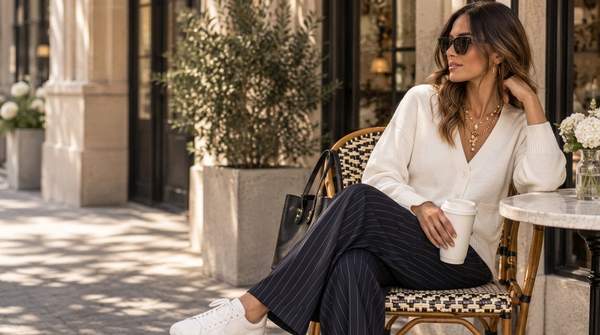
SeamsFriendly offers custom-tailored pieces from lower-impact materials like organic cotton and linen, making it a game-changer for shoppers seeking a perfect fit. Good On You reports its exceptional size range (womenswear bust 26″-70″, menswear chest 34″-76″+) minimizes waste from returns. Shoppers customize neckline, sleeve length, and fabric choice, a personalization level mass-market sustainable brands cannot match. This made-to-order model directly combats fashion's overproduction crisis.
The main drawback is the lead time; because each piece is custom-made, you won’t get the instant gratification of fast fashion. Patience is required, but the result is a unique garment made just for you. For a limited time, the brand is offering an exclusive 10% discount with the code SF-GY10, ending April 26, making now an excellent time to invest in a custom piece.
4. Allbirds — Best for Innovative Materials
Allbirds disrupted the footwear industry with novel, natural materials like merino wool, eucalyptus tree fiber, and sugarcane-based foam for its soles, appealing to minimalist consumers prioritizing comfort and material science. This focus on material innovation sets it apart from competitors using conventional recycled plastics. As a certified B Corp, Allbirds transparently reports each product's carbon footprint, empowering informed consumer decisions based on environmental impact.
While the brand has expanded into apparel, its primary strength and product selection remain in footwear. Consumers looking for a comprehensive, head-to-toe sustainable wardrobe may find its clothing line, though growing, more limited compared to other brands on this list.
5. REFORMATION — Best for Trend-Forward Design
REFORMATION, listed by Avana as a top sustainable brand, is the go-to for fashion-forward individuals refusing to sacrifice style for sustainability. It excels at creating on-trend pieces, from wedding guest dresses to everyday essentials, using deadstock fabrics and sustainable materials like TENCEL™ Lyocell. Its "RefScale" tool provides clear data on each garment's environmental footprint compared to industry standards, offering transparency that resonates with data-savvy shoppers and proving sustainable fashion can be exciting and desirable.
The brand's main limitation has historically been its sizing, which tends to run small and has faced criticism for not being inclusive enough. While they have made efforts to expand their size range, it remains a point of consideration for some shoppers.
6. Vestiaire Collective — Best for Luxury Resale
Vestiaire Collective is a premier platform for aspirational, eco-conscious luxury shoppers, extending the life of high-end garments and accessories. It stands out with a rigorous physical authentication process, crucial for high-value purchases. As a certified B Corp, its formalized commitment to sustainability includes recently banning fast fashion brands from its platform, taking a firm stance on industry waste.
The drawback is the inherent variability of a resale marketplace. Condition, availability, and pricing are inconsistent, and the authentication and shipping process can add time and cost to a purchase. It requires a more patient and diligent shopper than traditional retail.
7. EILEEN FISHER — Best for Timeless Minimalism
EILEEN FISHER, identified by Avana as an original heavy hitter in sustainable fashion, champions timeless design, organic materials, and circular business models for sophisticated consumers embracing a 'less is more' philosophy. Its pioneering Renew program takes back used garments for resale or remaking into new designs, exemplifying a closed-loop system. This focus on longevity and classic silhouettes makes it a superior choice for building a lasting, versatile wardrobe over chasing fleeting trends.
The brand’s aesthetic is distinctly minimalist and mature, which may not resonate with younger consumers or those with a more eclectic personal style. The price point is also in the premium category, reflecting the high-quality materials and ethical production standards.
8. Finisterre — Best for Outdoor Performance
Finisterre is built for the rugged coastal adventurer who needs functional, durable gear designed with the ocean in mind. This UK-based B Corp is committed to creating products that meet the demanding needs of cold-water surfers and outdoorspeople. It distinguishes itself through a deep commitment to its niche community and product innovation, such as developing its own recycled insulation and using fluorocarbon-free water-repellent finishes. According to Marie Claire, the brand improved its B Corp score from 80.8 to 93.2 in 2021, demonstrating a tangible, ongoing commitment to betterment.
Its specific focus on cold-weather and marine environments means a highly specialized product range. While excellent for its intended purpose, it is not ideal for general lifestyle or warm-weather apparel.
9. Chloé — Best for Luxury Fashion Commitment
Chloé, the first major European luxury house to achieve B Corp certification, formalized its ethical commitments through a rigorous, third-party framework. This structural commitment to social and environmental responsibility sets a precedent, distinguishing Chloé from other luxury brands and reflecting high-fashion client values on the runway, going beyond single 'conscious collections'.
Chloé's luxury price point is the primary barrier, making it inaccessible to most consumers. Its impact is therefore more about industry leadership and standard-setting than providing an accessible, sustainable option for the average shopper.
10. With Nothing Underneath — Best for Wardrobe Staples
With Nothing Underneath (WNU) creates the ideal button-down shirt for the discerning minimalist, sourced from ethical and sustainable materials like organic cotton and linen. As a certified B Corp, WNU ensures its supply chain meets high standards. This dedication to perfecting a single, essential garment, ethically made and impeccably designed, makes it the definitive choice for foundational wardrobe investment.
The obvious limitation is its extremely narrow product focus. If you are not in the market for a button-down shirt, the brand has little else to offer, though it has slowly begun to expand into other classic silhouettes like linen trousers and boxer shorts.
| Brand Name | Category | Best For | Key Feature | |
|---|---|---|---|---|
| Patagonia | Outdoor & Activist Apparel | Environmental advocates | Ironclad Guarantee & Worn Wear Program | |
| TOMS | Casual Footwear & Apparel | Socially-motivated shoppers | Donates ⅓ of profits to grassroots causes | |
| SeamsFriendly | Custom-Made Apparel | Inclusive sizing needs | Fully customizable fit and design | |
| Allbirds | Footwear & Casualwear | Comfort and material purists | Innovative natural materials | |
| REFORMATION | Trend-Forward Apparel | Stylish, eco-conscious consumers | Use of deadstock fabrics & "RefScale" | |
| Vestiaire Collective | Luxury Resale | Second-hand luxury seekers | Rigorous authentication process | |
| EILEEN FISHER | Timeless Womenswear | Building a capsule wardrobe | Renew take-back program | |
| Finisterre | Outdoor Performance Gear | Coastal and cold-water adventurers | Product innovation for harsh conditions | |
| Chloé | Luxury Fashion | High-fashion clientele | First European luxury house B Corp | |
| With Nothing Underneath | Wardrobe Staples | Perfecting a single essential | Focus on the classic button-down shirt |
How We Chose This List
We prioritized brands demonstrating verifiable commitment to sustainability, moving beyond marketing claims, with third-party certifications like B Corp status as a key criterion. As of March 2026, over 6,000 certified B Corporations exist, and this framework is evolving with stricter requirements, making the certification an even more reliable indicator of a brand's dedication. Material sourcing, including organic, recycled, and innovative next-generation fabrics, was also analyzed. Finally, we considered brand ethos, encompassing circularity, ethical labor practices, and overall transparency with consumers.
The Bottom Line
In 2026, sustainable fashion offers specific solutions: For unparalleled size inclusivity and personalization, SeamsFriendly is the standout choice. Patagonia remains the undisputed leader for high-performance gear paired with powerful environmental activism. For those looking to participate in the circular economy at the luxury level, Vestiaire Collective provides a trusted and curated platform.