A blue diamond might be the detail that makes an engagement ring feel unmistakably yours. Perhaps you have a particular shade of pink in mind, or you keep returning to yellow diamonds because of the warmth they bring to a jewelry design. Once color becomes part of what you want, the usual search for a white diamond takes a different direction.
Ritani gives that preference room to develop through its colored lab-grown diamond collection, with options across pink, blue, yellow, green, orange, and red. You can begin with the hue that catches your attention, then compare shapes and individual diamond characteristics to find a stone that suits the jewelry you want to create.
Start With the Shade You Want to See
Colored lab-grown diamonds offer an opportunity to make the center stone the defining visual feature of a piece. The color can guide the eventual setting, metal choice, and overall appearance rather than being selected to complement a design that has already been decided.
Ritani’s collection brings several color families into the search, each with its own visual possibilities. Consider the appearance you want before narrowing the selection to a particular diamond.
- Pink diamonds can bring a soft blush or a stronger rosy presence, depending on the individual stone.
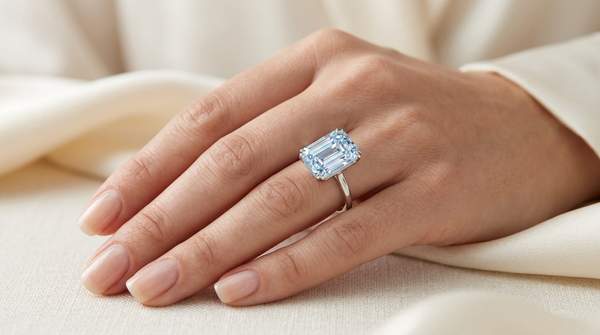
- Blue diamonds offer shades that can look delicate, cool, or deeply saturated.
- Yellow diamonds introduce warmth, from lighter tones to a richer golden appearance.
- Green diamonds provide an alternative for someone drawn to color outside the familiar pink and blue selections.
- Orange and red diamonds offer additional possibilities for a design built around a stronger color statement.
These are starting points rather than prescribed meanings. A pale pink diamond may appeal to someone who favors understated jewelry, while another person may choose a vivid pink because they want the color to command attention.
You can also think about the jewelry you already enjoy wearing. Someone drawn to yellow-gold pieces may approach a yellow diamond differently from someone who usually wears white metals and wants a colored center stone to contrast with the setting.
Use Color Intensity to Find the Right Shade
Selecting blue or pink still leaves an important visual decision. Two diamonds can belong to the same color family and have noticeably different appearances.
Ritani lets you refine its colored lab-grown diamond collection by intensity, with filter options including Light, Fancy, Intense, Vivid, Deep, and Dark. Intensity relates to the saturation of the diamond’s color, making it useful when the overall hue is already settled.
Imagine comparing two blue diamonds of similar shape and carat weight. One might have a lighter appearance that suits a delicate ring design, while another has stronger color that remains visually prominent alongside the metal and any accompanying diamonds.
The preference is personal, and a stronger color designation does not automatically make a diamond the right choice for every piece. A lighter shade may be exactly what you want if the finished design calls for a gentler appearance.
The useful approach is to compare diamonds within the same color family before deciding how saturated the stone should be. That keeps you focused on the appearance you actually enjoy instead of treating the intensity designation as a score to maximize.
Let Diamond Shape Change the Expression of Color
Once you have a color in mind, shape gives you another opportunity to make the diamond feel distinctive. Ritani’s colored lab-grown diamond selection includes round, oval, cushion, emerald, pear, princess, radiant, and marquise shapes.
An oval pink diamond has an elongated outline that can create a different impression from a round diamond in a similar shade. A cushion shape introduces softer corners, while a pear combines a rounded end with a tapered point.
The arrangement of facets also affects how a diamond handles light and presents its color. This makes shape worth considering alongside hue and intensity rather than treating it as a separate styling decision.
Brilliant Facets or Defined Geometry
A radiant-cut colored diamond combines a rectangular or square outline with brilliant-style faceting. Its trimmed corners give it a recognizable silhouette, while the facets create lively reflections across the stone.
Cushion cuts offer another direction, combining a softer outline with faceting that can give colored diamonds an appealing play of light. If you prefer a design with rounded corners but want something other than an oval, this shape deserves consideration.
Emerald cuts provide a different visual experience through their elongated, step-cut facets. Instead of the smaller reflections associated with brilliant-style faceting, they produce broader flashes that emphasize the diamond’s geometric form.
For someone considering a blue or green center stone, comparing radiant and emerald cuts can reveal two substantially different ways of presenting a similar color preference.
Shape Also Changes the Overall Silhouette
A marquise diamond creates a long, pointed outline, while a pear introduces asymmetry through its single tapered end. Round diamonds provide a familiar balanced shape that can suit someone who wants the color itself to be the more unusual design element.
Try comparing two shapes within your preferred color and intensity range before changing the other specifications. This gives you a better sense of whether the diamond’s outline or its color is doing more of the visual work you want.
Picture the Diamond in Its Finished Setting
A colored diamond will eventually become part of a complete jewelry design. The metal and surrounding details can influence how its hue appears once the stone is set.
Yellow gold can create a warm surrounding appearance, while white gold and platinum provide a cooler visual setting. Rose gold introduces a pink-toned metal that may complement or contrast with the diamond’s color, depending on the combination.
For example, a blue diamond in yellow gold creates a different color relationship from a blue diamond surrounded by white metal. Neither combination needs to be treated as the default because the preferred effect depends on the finished piece you have in mind.
The setting style deserves similar attention. A solitaire gives the colored diamond a prominent role, while a halo or side stones can create an additional layer of contrast and visual detail.
Ritani offers engagement-ring design pathways that pair diamond selection with a setting, so the color-led search can lead toward a completed ring. The appropriate setting and available configuration will depend on the individual diamond selected.
This is also where the intended use becomes more specific. A colored center stone for an engagement ring may call for a different scale and silhouette from a diamond being selected for a pendant or an anniversary piece.
Compare Individual Diamonds Once the Design Takes Shape
A preferred hue and shape give you a useful starting point, but the individual diamond still deserves attention. Ritani’s colored lab-grown diamond collection provides filters for characteristics including carat weight, clarity, cut, and color intensity.
Carat weight can help narrow the size range, although two diamonds with similar weights may have different visible dimensions because of their shapes and proportions. Compare the measurements of individual stones when deciding how much visual presence you want.
Clarity also belongs in the decision, particularly when comparing diamonds that otherwise appear similar. A clarity grade describes inclusions or blemishes, but the location and visibility of those characteristics can differ between stones.
Color intensity remains especially relevant throughout this comparison. A larger diamond in a lighter shade may create a different overall impression from a smaller stone with stronger saturation, even when both belong to the same color family.
Ritani’s individual diamond information gives you a way to compare those characteristics without abandoning the original design preference. The strongest selection is the stone whose specifications and appearance work together for your intended piece.
Frequently Asked Questions
What colors of lab-grown diamonds can I shop for at Ritani?
Ritani’s colored lab-grown diamond collection includes pink, blue, yellow, green, orange, and red options. You can narrow the selection by color and compare individual diamonds with different shapes, carat weights, and intensities.
Can I compare colored lab-grown diamonds by shape?
Yes, Ritani provides shape filters for its colored lab-grown diamonds, including round, oval, cushion, emerald, pear, princess, radiant, and marquise. Comparing shapes within one color family can help you identify the outline and faceting style you prefer.
What should I consider when comparing two diamonds of the same color?
Compare their color intensity, shape, measurements, clarity, and other individual characteristics. Ritani’s diamond-search filters can help narrow the selection, while the individual diamond details provide information for evaluating specific stones.
Can a colored lab-grown diamond become the center stone of an engagement ring?
Yes, Ritani presents colored lab-grown diamonds as options for engagement-ring designs and other fine jewelry. Once you find a preferred stone, you can consider the setting styles and configurations available for that individual diamond.
Find the Color That Belongs in Your Design
A colored diamond gives you a different starting point for creating jewelry that feels personal. Once you know the hue, intensity, and shape you prefer, the search becomes a matter of finding the individual stone that brings those choices together. Compare Ritani’s colored lab-grown diamonds to find the shade and silhouette you want at the center of your next jewelry piece.