The apparel market of 2026 is giving shoppers more reasons to think carefully about what they buy. With economic uncertainty and tighter margins affecting the industry, consumers are increasingly looking for clothing that offers tangible value, function, and lasting relevance rather than simply following short-lived trends.
That creates an interesting environment for heavyweight apparel. Instead of depending on elaborate graphics or seasonal aesthetics, heavyweight clothing can put greater emphasis on fabric, structure, silhouette, and everyday wearability. Heavy Standard takes that approach with substantial everyday clothing, minimalist designs, distinctive cuts, and a made-to-order production model.
For shoppers considering heavyweight T-shirts, jerseys, hoodies, shorts, and other wardrobe staples, understanding fabric weight and construction can make it easier to identify what fits their needs. Here's a closer look at the heavyweight apparel landscape in 2026 and Heavy Standard's place within it.
What Makes Heavyweight Apparel Different?
In clothing, fabric weight is commonly measured in grams per square meter, or GSM. Generally, a higher GSM indicates a denser, more substantial fabric, although GSM alone doesn't determine softness, durability, breathability, or overall garment quality.
That distinction matters when comparing T-shirts. A heavyweight tee can have more body and structure than a lightweight alternative, creating a noticeably different fit and appearance. For shoppers who prefer boxy or oversized silhouettes, the combination of substantial fabric and deliberate proportions can be especially appealing.
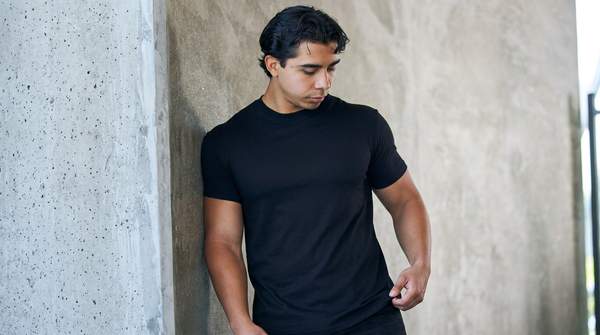
Heavy Standard's Heavyweight Boxy T-Shirt is a clear example. It uses 100% cotton at 260 GSM, or approximately 7.7 ounces per square yard, and features a boxy cut. Rather than making graphics the focal point, the design emphasizes the material and silhouette.
GSM is therefore a useful starting point, but shoppers should also consider fabric composition, construction, fit, and intended use when comparing heavyweight clothing.