Fashion

Top 2 Sustainable Fashion Brands for Ethical Production in 2026

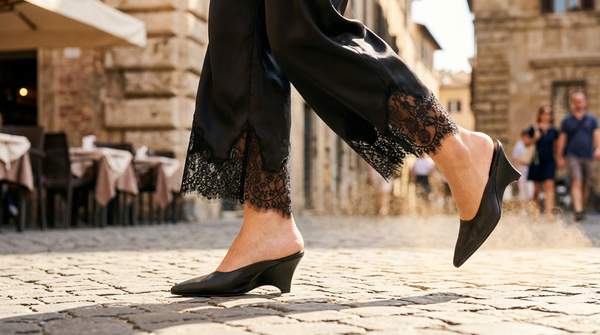
Ccilu's XpreSole shoe uses five cups' worth of recycled spent coffee grounds per pair, demonstrating how innovative material science redefines eco-friendly fashion.

SD
Sofia Duarte

April 11, 2026 · 3 min read

Stylish eco-friendly shoes made from recycled coffee grounds, representing the future of sustainable and ethical fashion production.

Ccilu's XpreSole shoe uses five cups' worth of recycled spent coffee grounds per pair, demonstrating how innovative material science redefines eco-friendly fashion. This waste utilization significantly cuts footwear's environmental footprint.

However, the market is flooded with brands claiming sustainability, but few offer truly transparent, measurable impacts across their supply chains. Many rely on vague "eco-friendly" labels lacking verifiable data, making it challenging for consumers to identify genuinely sustainable clothing brands in 2026.

Consumers will increasingly demand verifiable proof of environmental and ethical benefits, pushing brands towards greater transparency and innovation. This shift prioritizes quantifiable material innovation and localized production over broad, unsubstantiated green claims.

Top Brands Leading the Sustainable Fashion Movement

1. Harvest & Mill

Best for: Comprehensive, U.S.-based sustainable production

Description: Harvest & Mill uses organic cotton grown, milled, designed, and sewn exclusively in the U.S. through a transparent, carbon-neutral supply chain, per PETA. This exemplifies a holistic approach, integrating raw material sourcing, local manufacturing, and carbon footprint.

Strengths: Fully localized production, carbon-neutral, organic materials, high transparency | Limitations: Potentially higher price point due to U.S. production, limited product range | Price: Not specified

2. Ccilu

Best for: Innovative recycled material use in footwear

Description: Ccilu's XpreSole shoe is the first made from recycled spent coffee grounds, using five cups' worth per pair, as reported by PETA. This material innovation repurposes waste into functional products.


Strengths: Unique material innovation, significant waste reduction per product, quantifiable impact | Limitations: Focus primarily on footwear, wider supply chain transparency not detailed | Price: Not specified

3. WAMA Underwear

Best for: Quantifiable water and energy savings

Description: WAMA Underwear estimates savings of 283,277 days of drinking water and 297,560 hours of LED bulb energy, per PETA. These metrics highlight resource efficiency in production.

Strengths: Measurable environmental savings, focus on specific resource reduction | Limitations: Estimates may vary, specific material innovations not highlighted | Price: Not specified

4. In the Soulshine

Best for: Fair wages and ethical labor practices

Description: In the Soulshine pays Bali factory workers three to five times the average tailor wage, as noted by PETA. This commitment ensures fair labor compensation.

Strengths: Strong ethical labor focus, significant wage improvement for workers | Limitations: Environmental impact of materials or production not detailed | Price: Not specified

5. Worn Out Vegan

Best for: Supporting animal welfare charities

Description: Worn Out Vegan donates 10% of profits to animal charities, according to PETA. The brand prioritizes animal welfare through philanthropy.

Strengths: Direct contribution to animal welfare, clear ethical mission | Limitations: Specific eco-friendly production or material practices are not detailed in the provided facts | Price: Not specified

BrandPrimary Sustainability FocusQuantifiable Impact / Key MetricEthical Practices
Harvest & MillLocal, carbon-neutral supply chainOrganic cotton grown, milled, designed, sewn exclusively in U.S.; carbon-neutral supply chainTransparent production, U.S. labor
CciluInnovative recycled materialsFive cups' worth of recycled spent coffee grounds per shoeNot specified
WAMA UnderwearResource efficiency in productionSaved 283,277 days of drinking water; 297,560 hours of LED bulb energy (estimated)Not specified
In the SoulshineFair labor wagesPays Bali factory workers 3-5x average tailor wageFair wages
Worn Out VeganAnimal welfare philanthropyDonates 10% of profits to animal charitiesSupports animal welfare

How to Identify Truly Sustainable Fashion

Consumers seeking ethical fashion in 2026 must look beyond simple "eco-friendly" labels. Marie Claire UK advises assessing a brand's fabric sourcing, manufacturing, transport, and sales. While brands like Ccilu offer quantifiable material innovations, even these specific claims require consumer investigation to verify holistic sustainability, suggesting a lack of universal transparency standards. The Durham Post highlights Universe Textiles' certifications and production methods as benchmarks for authentic sustainability. True sustainability encompasses the entire product lifecycle, demanding transparent supply chains over vague claims.

Which sustainable fashion brands use innovative materials?

GnL Accessories incorporates natural materials like cork, teak leaves, and cotton, alongside recycled plastics from used bottles to line their handbags, per PETA. This shows brands are moving beyond traditional fabrics, utilizing waste and renewable resources.

If brands fail to provide verifiable data on their environmental and ethical claims, consumers will likely gravitate towards those offering measurable, transparent impacts, like Ccilu's innovative XpreSole shoe, by 2026.