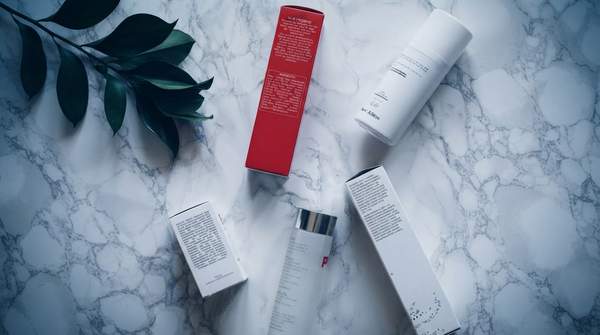
Soap labels can look simple from the front and much more complicated from the back. A bar might be described as natural, gentle, botanical, or handmade, but the ingredient list and the maker’s process usually tell you more than the front label does.
That is especially true if you are trying to be more thoughtful about what you use every day. Soap touches your skin often, so it makes sense to look beyond scent, color, packaging, and price before adding a bar to your routine.
Start With What the Product Actually Is
The first thing to check is whether the product is presented as traditional soap or as a detergent-based cleansing bar. This does not automatically make one product right for everyone, but it does change what you are buying.
Osha Mae Soap describes its soapmaking process as cold process soapmaking, where a fatty base and an alkaline base react to create a neutralized product that is tested for pH balance. The brand also explains that it uses vegetable oils in its soapmaking process, which gives shoppers a more specific way to understand how its bars are made.
Look for Specific Ingredient Language
A useful soap label should give you more than a pretty scent name. It should help you understand what kind of oils, herbs, roots, botanicals, or essential oils are part of the formula.
Osha Mae Soap describes its skincare as using organic botanicals, natural plant oils, and wildcrafted ingredients in some formulations. That ingredient framing gives shoppers something more concrete to assess than broad claims like “clean” or “natural,” which can mean very different things from one brand to another.
Pay Attention to Fragrance Wording
Fragrance is one of the first things people notice about soap, but it is also one of the easiest areas for labels to stay vague. A product name may sound botanical, but the ingredient details should still show whether the scent comes from plant-based aromatic ingredients, essential oils, fragrance blends, or another source.
Osha Mae Soap sells essential oils, essential oil blends, roll-on aromatherapy products, and naturally positioned skincare. For shoppers who prefer plant-based scent profiles, the brand’s focus on essential oils and aromatherapy-inspired formulations gives them a reason to look more closely at individual product pages before choosing a bar.
Check Whether the Brand Explains Its Process
A strong label is helpful, but a strong website can make the buying decision easier. When a soap brand explains how its products are made, what kinds of ingredients it uses, and where its products fit in a skincare routine, shoppers are not left guessing from packaging alone.
Osha Mae Soap’s website includes a dedicated soapmaking page that explains cold process soap, pH balance, and the brand’s view of natural soap versus commercial soapmaking. That extra context supports the brand’s apothecary identity without requiring the article to make unsupported claims about medical results or guaranteed skin changes.
Be Careful With Health and Skin Claims
Soap can be part of a thoughtful skincare routine, but it should not be treated like a cure for a skin condition. Strong promises about relief, treatment, healing, or guaranteed improvement should be read carefully, especially in everyday cosmetic products.
A more reliable buying decision comes from details you can verify. The listed ingredients, soapmaking method, product category, usage notes, and brand standards all tell you more than a dramatic front-label promise ever could.
Notice the Brand’s Ingredient Philosophy
Some shoppers want a basic bar that smells good and gets the job done. Others want a product that reflects a more botanical, small-batch approach, especially if they are moving away from mass-market personal care products.
Osha Mae Soap presents itself as a skincare apothecary with a focus on botanicals, essential oils, and aromatherapy-inspired formulations. Its product range includes soap bars, facial care, salves and ointments, hair care, deodorant, essential oil blends, roll-on aromatherapy, and other skincare items.
Consider Where the Product Comes From
The source of a product is not just a nice story detail. For some shoppers, buying from a smaller maker gives them a closer connection to the process, the ingredients, and the people behind the brand.
Osha Mae Soap is based in Nova Scotia and lists its retail presence at the Halifax Seaport Farmers’ Market. That local, small-batch presence fits the brand’s handmade soap identity and gives customers a more personal alternative to grabbing whatever bar is available on a store shelf.
Do Not Judge by Price Alone
A handmade soap bar can cost more than a basic commercial bar, but price only makes sense when you compare what is actually being offered. A small-batch cold process bar made with vegetable oils, botanicals, and essential oils belongs in a different category from a low-cost everyday cleansing bar.
The better question is whether the ingredients, process, scent profile, and brand standards match what you want from a product you use directly on your skin. That keeps the decision practical instead of turning “natural skincare” into another vague shopping mood.
Before You Buy: A Quick Soap Label Checklist
Before choosing a soap, read the back of the label or the product page carefully. A good soap choice should be based on more than scent, packaging, or a front-label promise.
Use this quick checklist before adding a bar to your routine:
- Check the soapmaking method. Look for details such as cold process soapmaking, vegetable oils, and pH testing.
- Read the ingredient list. Pay attention to the base oils, botanicals, herbs, roots, and other plant-based ingredients used in the formula.
- Review the fragrance source. If scent matters to you, check whether the product uses essential oils, fragrance blends, or another scent source.
- Look for product-specific details. Do not assume every bar from the same brand has the same ingredients, scent profile, or intended use.
- Be cautious with strong skin claims. Soap can support a thoughtful skincare routine, but it should not be treated as a cure, treatment, or replacement for professional advice.
- Match the product to your routine. Consider whether you want a simple cleansing bar, a botanical soap, or a product that fits into a broader handmade skincare approach.
Osha Mae Soap gives shoppers a more detailed kind of soap-buying experience because the brand connects its bars to cold process soapmaking, plant-based ingredients, aromatherapy-inspired products, and small-batch skincare. If you want soap with a more botanical and handmade feel, start by browsing Osha Mae Soap’s soap bars and reading the product details before choosing the one that fits your routine.