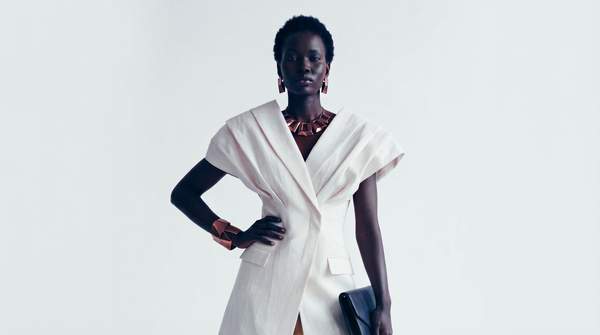
Demand for quiet luxury surged by an astonishing 734% in the first quarter of 2024 compared to the previous year. This dramatic increase reflects a profound shift in consumer preference, where discerning buyers are actively seeking items that convey status through understated quality rather than overt branding or conspicuous logos. The significant uptick in this segment indicates a re-evaluation of value among affluent consumers who prioritize discretion and intrinsic worth over public display. This trend underscores a deeper engagement with the principles of quiet luxury branding, suggesting its sustainability and longevity are central to modern consumer choices.
However, this surge contradicts broader economic patterns. Consumer spending on 'other retail' categories in the U.S. slowed from a 7% growth over the summer to 4% in the first three weeks of September, according to JPMorgan. This contrast highlights a fundamental decoupling of affluent consumer behavior from general retail trends, indicating a value-driven shift rather than mere discretionary spending influenced by broader economic slowdowns. The market is witnessing a segment of consumers actively seeking a different kind of luxury experience.
Companies that fail to adapt to this shift towards understated value and genuine exclusivity risk losing market share to brands that embody the quiet luxury ethos. This evolving preference demands a fundamental redefinition of market positioning for traditional luxury brands, compelling them to reconsider their strategies or face the potential alienation of their most valuable customers. The core argument remains that quiet luxury is not a fleeting aesthetic but a permanent, structural shift in affluent consumer values.
The global silent luxury goods market was valued at $137.48 billion in 2024, according to Polaris Market Research. This substantial valuation establishes quiet luxury not as a fleeting fashion trend but as a significant economic force with deep roots in consumer psychology. The market's projected growth to over $278 billion by 2034 further solidifies its position as a durable segment within the broader luxury industry, indicating a clear trajectory for sustained expansion. These figures demonstrate a robust and expanding sector, positioning quiet luxury for long-term dominance.
This expansion is supported by a Compound Annual Growth Rate (CAGR) of 7.3% from 2025 to 2034, also reported by Polaris Market Research. Such consistent growth rates demonstrate the inherent sustainability of quiet luxury branding and its expected longevity, extending its influence far beyond 2026. This trajectory suggests a permanent shift in affluent consumer values, actively rejecting overt branding in favor of discreet exclusivity. The market's consistent performance underscores a fundamental re-evaluation of what constitutes true luxury among discerning consumers.
The impressive financial projections for the quiet luxury sector signal a fundamental redefinition of market positioning for traditional luxury brands. Brands that traditionally relied on highly visible logos and overt displays of wealth now face the challenge of attracting a segment of consumers who prioritize intrinsic quality and subtle distinction. This ongoing re-evaluation of luxury principles drives market expansion, compelling brands to innovate their offerings and communication strategies. The demand for genuine distinction is reshaping the competitive landscape.
The quiet luxury market's significant size and projected growth highlight a consumer base that seeks genuine distinction, compelling luxury brands to adapt their strategies. This shift moves beyond mere aesthetics; it reflects a deeper consumer desire for products that speak to personal values of quality and craftsmanship without needing external validation through prominent branding. The future success of luxury brands increasingly depends on their ability to resonate with this evolving consumer mindset, emphasizing enduring value over fleeting trends.
The Silent Revolution: Why Understated Affluence is Surging
Demand for quiet luxury surged by an astonishing 734% in the first quarter of 2024 compared to the previous year, according to Accio. This dramatic increase is not an isolated incident but reflects a broader consumer response to the evolving nature of luxury itself. Affluent consumers are increasingly seeking genuine exclusivity and understated sophistication over overt displays of wealth, driving this powerful market shift. This surge indicates a profound re-evaluation of what status signifies in contemporary society.
The democratization of luxury, which has made established brand logos synonymous with aspirational wealth, has ironically created a vacuum for 'exclusive affluence'. As traditional luxury brands expanded their reach and made their products more accessible, their distinctive logos became more widely recognized. This widespread recognition, while boosting sales among aspirational buyers, inadvertently diminished the sense of unique status they once conferred upon the truly affluent. The allure of mass-market appeal has diluted the very exclusivity that once defined high luxury.
This expansion inadvertently pushes truly affluent consumers towards the understated appeal of quiet luxury. These individuals increasingly seek products that reflect their status through intrinsic quality, superior craftsmanship, and subtle design, rather than through widely recognized emblems. The dramatic surge in demand confirms that quiet luxury is a powerful counter-movement to overt branding, appealing to consumers who seek authentic distinction over aspirational display. They desire items that speak to their personal values of refinement without needing external validation.
This powerful shift signifies a redefinition of high-end status. Where once visible labels were the hallmark of luxury, now discretion and intrinsic value hold greater sway for a growing segment of the market. This reorientation challenges traditional marketing strategies and brand perceptions, forcing a strategic re-evaluation for companies accustomed to logo-centric branding. Brands must now focus on the inherent excellence of their products to capture this discerning demographic.
Defying Economic Headwinds: A Resilient Market
Consumer spending on 'other retail' categories in the U.S. slowed from a 7% growth over the summer to 4% in the first three weeks of September, according to JPMorgan. This broader economic slowdown might suggest a contraction across all luxury segments, as consumers tighten their belts. However, the concurrent surge in quiet luxury demand indicates a significant divergence in consumer behavior within the affluent market, demonstrating its resilience.
Even as general retail spending decelerates, luxury brands like Dior and Prada have continued to increase their prices in the U.S. by 3% and 5% respectively, as reported by JPMorgan. This strategy suggests a continued confidence in pricing power for established brands, yet their core challenge is not just the ability to raise prices but to maintain perceived exclusivity as their logos become democratized. The widespread recognition of their branding can inadvertently diminish their appeal to a segment of the ultra-affluent seeking true distinction.
The juxtaposition of slowing general retail with surging quiet luxury demand and rising prices for overt luxury brands reveals a nuanced market. Affluent consumers are not simply reducing discretionary spending; they are reallocating it towards items that offer greater perceived value in terms of exclusivity and quality. This re-allocation prioritizes true distinction and understated value, suggesting a fundamental shift in consumer priorities rather than a mere cyclical trend influenced by economic fluctuations. Their investment decisions reflect a deeper search for authenticity.
This resilience of quiet luxury in the face of economic headwinds underscores its position as a value-driven shift. Consumers who embrace this style are actively seeking genuine quality and exclusivity, which traditional, widely branded luxury goods can no longer fully satisfy. The market for discreet luxury continues to expand, driven by these persistent consumer demands, demonstrating a clear preference for intrinsic worth over fleeting trends. This sustained demand points to the long-term viability of the quiet luxury model.
Beyond Fashion: An Enduring Aesthetic and Business Model
The quiet luxury aesthetic market is expected to reach $33.4 billion by 2033 This specific market segment, distinct from the broader silent luxury goods market valued at $137.48 billion in 2024, highlights the concrete establishment of quiet luxury as a definable and independently growing aesthetic. Its substantial projected value confirms it as a sustainable and enduring trend, moving beyond a mere seasonal preference to become a foundational element of luxury consumption. This distinction clarifies the scope and impact of the aesthetic itself within the larger market.
This projected growth indicates that quiet luxury is not just a fleeting fashion moment but a foundational shift in consumer values. Consumers are increasingly valuing discretion, craftsmanship, and timeless design over overt branding, which aligns with a desire for products that possess inherent quality and long-term appeal. This preference supports a business model centered on intrinsic quality and subtle sophistication, allowing brands to build loyalty based on substance rather than superficial display. The market is recognizing the long-term value of understated elegance.
The sustainability of the quiet luxury model lies in its alignment with consumer values that prioritize longevity, craftsmanship, and understated elegance. These principles foster brand loyalty among affluent demographics who seek authenticity and discretion, ensuring continued relevance and growth for brands that embody this approach. This evolution signifies more than a passing phase; it represents a fundamental reorientation in how luxury is conceived, produced, and consumed across various sectors. Brands are finding that true value resonates deeply with their most discerning clients.
Brands embracing the quiet luxury aesthetic are finding success by focusing on superior materials, impeccable tailoring, and a consistent message of refined taste. This strategy allows them to cultivate a strong identity among discerning consumers who appreciate luxury that speaks for itself, without requiring prominent logos or ostentatious display. Their success demonstrates that a business model built on subtle excellence and genuine quality can achieve significant market penetration and sustained profitability. This approach offers a clear path for longevity in the competitive luxury landscape.
The Future of Luxury: Understated, Enduring, and Exclusive
The sustained growth trajectory observed in the quiet luxury sector signals that it is not merely a passing trend but a foundational shift that will continue to redefine the landscape of luxury. This enduring preference for understated quality and discreet exclusivity will profoundly influence consumer expectations and brand strategies for years to come, shaping the market well beyond 2026. The shift represents a permanent recalibration of luxury values among the affluent.
The ongoing consumer demand for genuine distinction compels the entire luxury market to consider its long-term viability. Brands must evolve to meet the discerning tastes of affluent consumers who increasingly define luxury by its intrinsic worth and exclusive appeal, rather than by its public display. This forces a re-evaluation of marketing and product development strategies, emphasizing authenticity and craftsmanship. Brands are now tasked with communicating value without relying on conspicuous branding.
Brands that adapt by focusing on superior materials, impeccable craftsmanship, and subtle design cues will likely secure a stronger position with affluent consumers. Conversely, those clinging to outdated models of conspicuous consumption risk becoming less relevant in a market that increasingly values authentic, understated luxury. This shift demands a commitment to timeless design and enduring quality, ensuring that products retain their appeal over time. Success will hinge on understanding and catering to this sophisticated demand.
Ultimately, the principles of quiet luxury will continue to shape brand perception and market dynamics well into the future. This movement represents a permanent recalibration of what constitutes true luxury, driven by a consumer base seeking authenticity and a rejection of the superficiality associated with overt branding. The long-term impact will be a more refined and discerning luxury market, where genuine quality and subtle exclusivity dictate brand success and consumer loyalty.
What are the core principles of quiet luxury branding?
Quiet luxury branding emphasizes superior quality, craftsmanship, and timeless design over overt logos and ostentatious displays. It focuses on intrinsic value and discreet aesthetics, often using muted color palettes and premium materials like cashmere, silk, and fine leather. The goal is to convey status through subtlety and genuine distinction in a way that resonates with discerning consumers.
Can quiet luxury trends last beyond 2026?
Yes, the data strongly suggests quiet luxury trends will last well beyond 2026. The global silent luxury goods market was valued at $137.48 billion in 2024 and is projected to reach over $278 billion by 2034, with a 7.3% Compound Annual Growth Rate from 2025, according to Polaris Market Research. This long-term growth forecast, coupled with its resilience against broader economic slowdowns, indicates a permanent shift in affluent consumer values rather than a fleeting trend.
How does quiet luxury impact brand perception?
Quiet luxury enhances brand perception by associating it with genuine exclusivity and discerning taste, rather than mass aspiration. It allows brands to cultivate an image of sophistication, intrinsic value, and authentic craftsmanship, appealing to consumers who reject the democratization of traditional luxury logos. This approach fosters deeper loyalty among high-net-worth individuals seeking true distinction and understated elegance.
By 2034, brands like Hermès, known for their understated elegance and craftsmanship, are well-positioned to capitalize on this trendoned to further solidify their market leadership as the global silent luxury goods market is projected to exceed $278 billion. This long-term forecast underscores the lasting power of discreet exclusivity in the luxury sector.