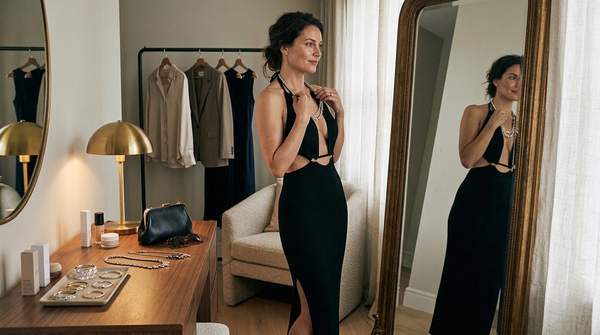
The understated elegance of 'quiet luxury' clothing, a trend popular in 2026, often conceals an aspiration deemed "empty and questionable." This subtle facade of sophistication aggressively signals wealth, paradoxically reinforcing social hierarchies rather than promoting genuine style. Quiet luxury's continued prominence suggests a societal shift towards nuanced, yet powerful, forms of status communication, potentially entrenching class structures under a veneer of refinement.
Beyond the Buzz: Defining Quiet Luxury
Quiet luxury is often confused with 'stealth wealth,' yet a key distinction exists. According to lifeinacoldclimate, brands like Loro Piana and Brunello Cucinelli exemplify 'stealth wealth,' focusing on discreetly signaling wealth over distinct style. Quiet luxury, however, prioritizes a sophisticated aesthetic that communicates value to an informed observer. It's less about overt branding and more about subtle status communication, where high-quality materials, impeccable tailoring, and refined silhouettes speak to discerning taste. This signifies an insider's understanding of value, with cost evident in craftsmanship, not logos.
The Aspiration Problem: Is 'Looking Rich' Enough?
Quiet luxury's core aspiration—projecting affluence—draws sharp criticism. The author of lifeinacoldclimate argues its primary objective is to 'look rich,' an empty and questionable goal that fosters hypocrisy and classism. This sophisticated facade, therefore, perpetuates a superficial, class-based aspiration rather than genuine personal expression. Companies marketing 'quiet luxury' sell social aspiration, not style, reinforcing class divisions by trading on the desire to 'look rich.' The trend becomes less about individual taste and more about conforming to an elite social code.
The Generational Shift: Who's Driving the New Luxury?
Younger consumers are driving the quiet luxury trend. Millennials and Gen Z lead this new luxury model, according to SCAD. This is surprising, given these generations often challenge traditional hierarchies, yet they embrace a trend criticized for perpetuating classism. Their adoption signals an evolution in how status is communicated, moving away from overt displays. Brands focused solely on authenticity may miss a crucial point: younger consumers remain highly susceptible to status signaling, even when cloaked in understated elegance. This marks a sophisticated shift in consumerism, where status moves from visible logos to an insider's knowledge of specific, high-cost, understated brands.
Common Questions About Quiet Luxury
What are the key elements of quiet luxury?
Quiet luxury emphasizes high-quality materials like cashmere, silk, and fine wool, combined with impeccable tailoring and construction. Designs typically feature classic silhouettes, a muted color palette of neutrals, and a notable absence of prominent logos or branding. The focus remains on craftsmanship and understated elegance.
How did quiet luxury become popular?
The rise of quiet luxury gained traction through social media, where influencers and celebrities showcased outfits featuring unbranded, high-quality garments. This visual trend, often captured in candid street style, allowed for the subtle communication of wealth without overt displays, resonating with a desire for sophisticated discretion.
What is the difference between quiet luxury and minimalism?
While both trends favor clean lines and simplicity, minimalism primarily focuses on essentialism, functional design, and reducing consumption. Quiet luxury, conversely, is deeply rooted in the inherent cost and prestige of high-end materials and craftsmanship, prioritizing the subtle signaling of affluence over pure functionality or a reduced wardrobe.
The True Cost of Quiet Luxury
As 2026 progresses, luxury brands like The Row, mastering subtle design, will likely continue to thrive by catering to a clientele that values perceived affluence over explicit branding, perpetuating a sophisticated yet divisive form of consumerism.