Longevity Skincare vs. Anti-Aging: Which Approach Delivers True Health?

In China, 90% of women are already taking anti-aging measures, fueling a market that reached CNY 64.

SD
Sofia Duarte

April 24, 2026 · 6 min read

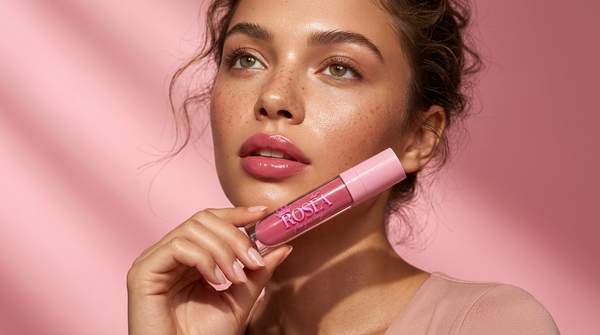
A split visual comparing vibrant, healthy skin representing longevity with skin showing signs of aging, representing the anti-aging approach.

In China, 90% of women are already taking anti-aging measures, fueling a market that reached CNY 64.6 billion in 2020, according to PMC. A substantial consumer investment, driven by a desire to mitigate visible signs of aging, highlights a significant market demand. The market's sheer scale underscores a global preoccupation with maintaining youthful appearance, influencing product development and marketing across the beauty industry.

The market for "anti-aging" skincare is booming globally, but the scientific community is increasingly shifting focus to "skin longevity," a concept that remains largely undefined in commercial terms. This divergence creates a tension where consumer spending often targets products with immediate, superficial results rather than those addressing deeper cellular health.

As scientific understanding of cellular skin health advances, the current "anti-aging" market, heavily reliant on visible, temporary results, will likely face increasing scrutiny and pressure to adopt more evidence-based, long-term "longevity" approaches. This shift prioritizes foundational well-being over quick cosmetic fixes, guiding consumers toward more effective, science-backed solutions for their skin.

Chinese consumers lead the global charge against visible aging, with 90% of women actively taking anti-aging measures. A widespread commitment fuels a robust market, which reached CNY 64.6 billion in 2020, according to PMC. The CNY 64.6 billion spending reflects a deep-seated societal desire to maintain youthful appearances, influencing product development and marketing across the beauty industry.

This market surge occurs as China's population aged 65 and above reached 209.78 million in 2022. The 209.78 million older individuals, combined with significant consumer investment in anti-aging products, highlights a strong demographic drive to address the visible aspects of aging. This reality sets the stage for a critical evaluation of whether current market offerings truly deliver effective, long-term solutions for skin health, especially as scientific understanding evolves beyond superficial fixes.

Beyond the Surface: Defining Longevity vs. Anti-Aging Skincare

The distinction between longevity skincare and traditional anti-aging approaches centers on their primary objectives and scientific underpinnings. Skin longevity prioritizes long-term health over temporary cosmetic results, focusing on the foundational well-being of skin cells, as noted by Image Skincare. This approach aims to maintain the skin's intrinsic ability to repair, protect, and rejuvenate itself from within, promoting resilience against environmental stressors.
Genuine skin longevity requires formulations that work at the cellular level, building improvements gradually through consistent use, thereby addressing the root causes of aging. In contrast, many products marketed for anti-aging primarily target visible symptoms, such as the gradual loss of skin elasticity that leads to sagging, according to PMC. While anti-aging often seeks immediate, superficial improvements to mask signs of aging, skin longevity aims to optimize the underlying cellular mechanisms crucial for true, lasting skin health and vitality.

The Scientific Divide: Cellular Health vs. Symptom Management

The scientific understanding behind skin longevity distinguishes it sharply from traditional anti-aging product claims, particularly in its diagnostic precision. Advanced diagnostic tools like Cell BioPrint analyze skin proteins to detect specific biomarkers, such as MMP1, which breaks down collagen, as reported by Scientific American. This level of precision allows for targeted interventions based on an individual's unique cellular aging profile, moving beyond generalized treatments.

Despite these advancements, the term 'longevity cosmeceuticals' is beginning to appear in industry and marketing, yet it remains largely undefined and unsupported by peer-reviewed scientific literature, according to PMC. This disparity reveals a significant gap between the scientific rigor applied to understanding cellular aging and the commercial marketing of products claiming "longevity" benefits. The industry's prevailing focus on immediate cosmetic effects over foundational cellular health actively diverts consumer attention and investment away from genuinely effective preventative measures that offer long-term benefits.

FeatureLongevity SkincareAnti-Aging Skincare
Primary GoalLong-term cellular health and preventionTemporary reduction of visible signs
MechanismWorks at the cellular level; gradual improvementFocuses on surface-level effects; quick fixes
Scientific BasisBacked by advanced diagnostics and cellular researchOften driven by marketing; less defined scientific validation
Expected ResultsSustained skin health, resilience, and slower agingSmoother appearance, reduced wrinkles, temporary lift

Investing in the Future: When Longevity Skincare is Your Best Bet

For consumers seeking enduring skin health and resilience, a longevity skincare approach offers the most significant and lasting benefits. This strategy prioritizes preventative care and foundational cellular support, aiming to preserve the skin's youthful functions rather than merely correcting existing damage. Simple, consistent practices form the bedrock of this approach, proving that long-term health is built on disciplined, proactive habits.

One of the most impactful longevity measures, often overlooked in the pursuit of complex routines, is consistent sun protection. It can prevent up to 80% of visible aging, as highlighted by Image Skincare. Applying a broad-spectrum sunscreen with at least SPF 30 every morning serves as a fundamental defense against photodamage, according to Health. This basic preventative step significantly dwarfs the impact of many complex and expensive 'anti-aging' regimens, underscoring the power of consistent, science-backed choices for genuine skin longevity over reactive treatments.

Addressing Immediate Concerns: The Role of Anti-Aging Products

While longevity skincare focuses on foundational, long-term health, traditional anti-aging products still hold a specific place for addressing immediate, visible concerns. These products can offer quick cosmetic improvements, providing a refreshed appearance for specific events or short-term goals. Their role is often more about symptom management and temporary enhancement rather than deep cellular intervention, which can be valuable for certain consumer needs.

For instance, routine practices like exfoliating once or twice a week can effectively remove dead skin cells, helping the skin look more refreshed and vibrant, as noted by Health. Such actions provide immediate, albeit superficial, benefits that contribute to a brighter, smoother complexion. While these methods do not directly impact cellular longevity or prevent future damage at a foundational level, they can certainly enhance skin texture and appearance, offering a temporary boost for those seeking rapid visible results.

Your Longevity Skincare Questions, Answered

Does longevity skincare actually work?

Yes, longevity skincare is designed to work by supporting the skin's natural cellular processes over time, leading to more resilient and healthier skin. Unlike products focused solely on visible wrinkles, longevity treatments aim to maintain cell health and prevent damage, resulting in sustained improvements rather than just temporary fixes. For example, some approaches incorporate ingredients that support the skin microbiome, a crucial factor in long-term skin resilience and protection.

What are the best longevity skincare ingredients?

Key ingredients in longevity skincare often include potent antioxidants like Vitamin C and E, which protect against environmental damage and free radicals, and retinoids, known for their ability to accelerate cell turnover and boost collagen production. Peptides and growth factors also play a vital role in supporting cellular repair and communication within the skin. Additionally, ingredients that bolster the skin barrier, such as ceramides and hyaluronic acid, are essential for maintaining hydration and protecting against external stressors, contributing significantly to overall skin health and resilience.

The Future of Skincare: Prioritizing Health Over Hype

The distinction between longevity skincare and traditional anti-aging approaches represents a critical evolution in how consumers should view skin health and product efficacy. The multi-billion dollar 'anti-aging' market, exemplified by China's CNY 64.6 billion spend, is built on a premise that often prioritizes quick fixes and visible results over genuine, long-term cellular health. This reliance on superficial solutions leaves consumers vulnerable to products that.t promise immediate gratification but fail to deliver foundational well-being.

Companies prioritizing immediate cosmetic effects over foundational cellular health, which Image Skincare confirms requires cellular-level work, are not only missing the scientific mark but are also actively diverting consumer attention and investment. True skin health comes from a long-term commitment to cellular well-being, moving beyond superficial fixes towards a more scientific, preventative, and ultimately more sustainable approach to beauty.

By 2026, the beauty industry will likely see increased demand for products backed by rigorous cellular science, pushing brands like L'Oréal to further integrate longevity research into their offerings, as evidenced by their work with diagnostics like Cell BioPrint. Consumers will increasingly seek transparency and proven efficacy over marketing claims, favoring preventative strategies that genuinely support skin's long-term vitality, making informed choices for their future skin health.