Australia's terrifying beauty trends and market paradox

One in five young Australians now considers cosmetic surgery, a statistic driven by the relentless pursuit of filtered perfection seen on social media platforms.

SD
Sofia Duarte

April 23, 2026 · 3 min read

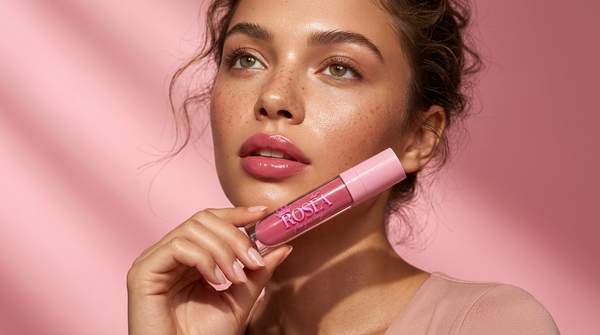
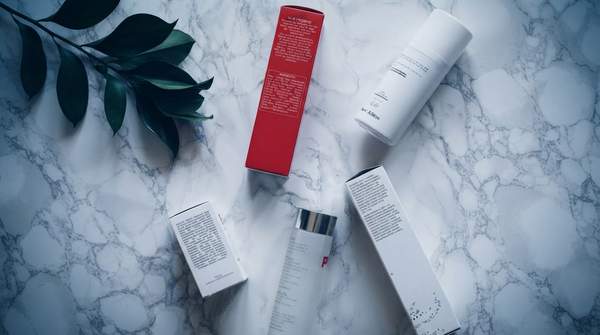
Juxtaposition of natural beauty products and cosmetic surgery in Australia, highlighting a societal paradox driven by social media.

One in five young Australians now considers cosmetic surgery, a statistic driven by the relentless pursuit of filtered perfection seen on social media platforms. The consideration of cosmetic surgery by one in five young Australians highlights a significant societal shift where individuals seek extreme aesthetic modifications even as they simultaneously gravitate towards 'natural' beauty solutions.

Australian consumers are increasingly seeking 'clean' and 'natural' beauty products, but they are concurrently undergoing a surge in invasive cosmetic procedures. The increasing pursuit of 'clean' and 'natural' beauty products alongside a surge in invasive cosmetic procedures creates a tension between perceived purity and actual physical intervention.

The beauty industry is becoming a two-tiered market where perceived naturalness and extreme enhancement coexist, likely leading to greater consumer confusion, financial exploitation, and a rise in mental health challenges related to body image.

The global beauty and personal care market reached $716.6 billion in 2023, growing at 4.7% annually (Grand View Research). Australia's clean beauty segment grew 15% in 2023, outpacing conventional products (IBISWorld). Yet, 'clean beauty' lacks a legal definition in Australia, causing significant consumer confusion (ACCC report). A booming market for undefined 'natural' products alongside a drive for extreme enhancement — a paradox — underscores a societal pressure for an idealized, often digital aesthetic, further complicated by vague industry standards.

The Rise of the 'Tweakment' Culture

Australia saw a 30% increase in non-surgical cosmetic procedures, like injectables, in 2023 (Australasian College of Cosmetic Surgery). This surge extends to individuals in their early 20s seeking 'prejuvenation' (Australian Society of Plastic Surgeons; Dr. Emily Smith). The global market for at-home beauty devices, such as laser hair removal, is also projected to grow 12% annually (Mordor Intelligence). The increase in non-surgical cosmetic procedures and at-home beauty devices normalizes proactive aesthetic modification and self-administered treatments, blurring the lines between routine beauty and medical intervention, and suggesting a deeper anxiety about aging and perceived flaws.
The 'Clean' Beauty Paradox

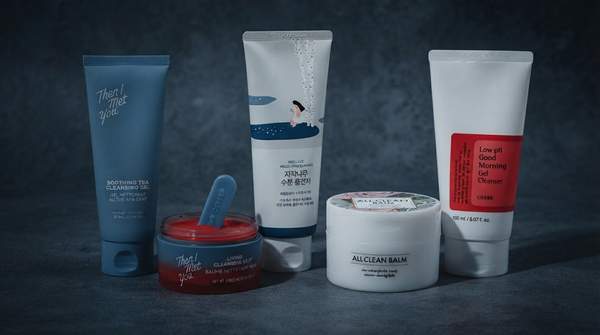
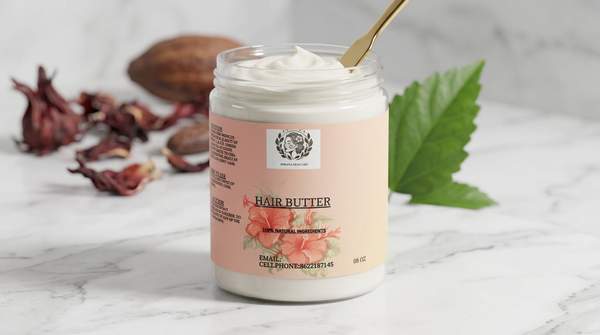
While 65% of Australian consumers pay more for 'clean' or 'natural' products (Roy Morgan Research), only 10% of these products hold third-party certifications (Choice Australia). The average Australian spends $3,000 annually on beauty, much of it on non-essential treatments (Commonwealth Bank data). The intense demand for 'clean' products by 65% of Australian consumers, without clear standards, fuels greenwashing and inflated pricing. However, a nascent shift sees ethical brands prioritizing ingredient transparency and sustainable packaging (Sustainable Brands Australia), hinting at future accountability.

Social Media's Unfiltered Influence

Social media influencers drive 40% of beauty product purchases among Gen Z (NielsenIQ). The influence of social media influencers extends beyond products to self-perception: reports of body dysmorphia linked to filters have doubled among young Australians in five years (Butterfly Foundation). Constant exposure to idealized, artificial images fosters comparison and inadequacy (Psychology Today analysis). Constant exposure to idealized, artificial images fuels both the desire for extreme aesthetic changes and the search for 'pure' beauty solutions, intensifying body image concerns and creating a cycle of unattainable perfection.

The Hidden Costs and Harms

Unregulated cosmetic procedures by unqualified practitioners have led to a 25% increase in reported complications (Australian Health Practitioner Regulation Agency). Compounding this, 70% of Australian dermatologists see more patients seeking to reverse botched procedures (Australian Dermatology College). Young women, especially under 25, face disproportionate body image issues and financial strain from beauty spending (Mission Australia Youth Survey). The pursuit of an ever-changing ideal, driven by disproportionate body image issues and financial strain among young women, creates a cycle of dissatisfaction and repeated procedures, severely impacting mental well-being (Dr. Sarah Jones, Clinical Psychologist). The industry's unregulated segments, coupled with intense social pressure, leave a vulnerable demographic susceptible to physical harm, financial burden, and psychological distress.

Navigating the Beauty Minefield

Addressing the beauty industry's complex challenges demands a multi-faceted approach. Calls for stricter regulation on cosmetic procedure advertising and practitioner qualifications are growing (Australian Medical Association). Educational campaigns promoting media literacy and self-acceptance are being piloted in schools (Department of Education, Victoria). Yet, investment in mental health support for body image issues remains significantly underfunded compared to the beauty industry's growth (Mental Health Australia). Without concerted efforts from regulators, educators, and mental health advocates, consumers — especially younger individuals — will continue to face risks in a market that prioritizes aspirational content over well-being.

The future of beauty will likely be defined by a tension between rapid technological advancement, which continues to outpace global regulatory frameworks (OECD report on consumer protection), and the urgent need for greater ethical oversight and consumer protection. By Q3 2026, regulatory bodies will likely face increased pressure to implement clearer guidelines for 'clean' product claims and cosmetic procedure advertising, driven by persistent consumer advocacy for mandatory transparency (Consumer Federation of Australia).