Twenty-seven major cosmetics companies have already pledged to reduce their environmental footprint through a new industry-wide initiative, signaling a significant shift in a sector often criticized for its waste. This collective commitment aims to address the considerable environmental impact of beauty products across their entire lifecycle, from sourcing ingredients to consumer disposal. The initiative represents a public acknowledgment of the industry's role in global sustainability efforts, particularly concerning packaging and carbon emissions.
The cosmetics industry is publicly committing to ambitious sustainability goals, but the actual, measurable reduction in environmental footprint across the entire sector remains a significant challenge requiring deep systemic change. Despite the grand pledges, the implementation relies heavily on voluntary adoption and consumer behavior shifts, which historically prove slow to materialize. This tension between aspiration and tangible impact defines the current state of sustainability in beauty.
Based on the early commitments and the complexity of the product lifecycle, the industry is poised for a transformative period where sustainability becomes a core competitive differentiator, though widespread impact will take years to materialize. The journey toward a truly sustainable skincare product lifecycle and sustainability in 2026 will demand more than voluntary actions; it requires a fundamental re-evaluation of production, consumption, and disposal practices.
Twenty-seven major cosmetics companies have already made commitments within the framework of the Commit for Our Planet initiative, indicating a growing industry consensus on the necessity of environmental action. These pledges aim to tackle the substantial environmental footprint associated with the beauty sector, a critical step as consumers increasingly demand greener products. The initiative seeks to unify efforts across the European cosmetics industry, moving towards a more sustainable future for the entire skincare product lifecycle.
A recognition that individual company efforts alone may not be sufficient to address the scale of environmental challenges is underscored by this collective action by a significant portion of the industry. By pooling resources and aligning strategies, these companies intend to foster broader systemic changes. The voluntary nature of these initial commitments, however, sets a precedent for how quickly measurable reductions will be achieved, particularly by 2026.
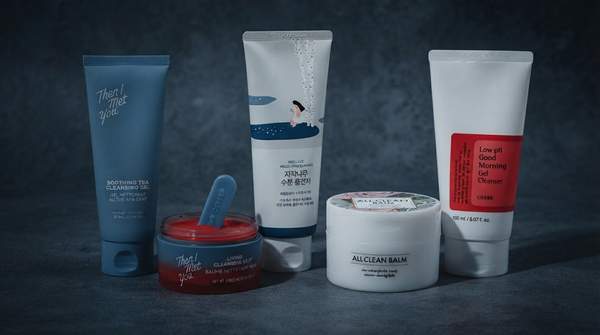
Commit for Our Planet: The Industry's Green Pledge
The industry's primary sustainability effort, "Commit for Our Planet," was launched by Cosmetics Europe as an industry-wide initiative to reduce the sector’s environmental footprint across Europe. This program encourages companies to address critical environmental areas, specifically targeting reductions in greenhouse gas emissions, the development of improved packaging solutions, and actions that benefit nature. The initiative’s structure encompasses specific commitments within these three broad themes: climate, packaging, and nature, providing a framework for participating organizations.
This comprehensive framework aims to tackle the multifaceted environmental challenges posed by the cosmetics industry across its entire value chain. However, despite the fanfare around "Commit for Our Planet," the cosmetics industry is largely relying on voluntary pledges and consumer goodwill, a strategy that will inevitably fall short of achieving significant environmental impact reduction given the proven efficacy of under-promoted solutions like refill systems, which can cut packaging emissions by 70%. A slower pace for widespread adoption of truly impactful changes within the skincare product lifecycle is implied by the emphasis on encouragement rather than mandates.
The initiative’s broad themes allow for flexibility in how companies meet their goals, which can be both an advantage for diverse businesses and a potential drawback for achieving uniform, aggressive environmental targets. While individual companies can tailor their approaches, the lack of specific, mandated solutions for all members suggests a potential for varied impact levels. This approach means that while many companies are pledging, the collective progress toward a greener glow depends heavily on the ambition and resources of each participant.
Measuring Impact: The Science Behind Sustainable Skincare
Cosmetics Europe evaluated the Product Environmental Footprint (PEF) of shampoo, utilizing techniques piloted by the European Commission, to quantify its environmental impact across the entire skincare product lifecycle. A standardized method for assessing the environmental performance of products, allowing for more accurate comparisons and identification of improvement areas, is provided by this scientific approach. Such evaluations are critical for moving beyond general pledges to specific, data-driven reductions in the beauty sector.
Further advancing this scientific rigor, a paper developed a novel tool to classify cosmetics products based on the results of Life Cycle Assessment (LCA), according to ScienceDirect. The scientific capacity to rigorously assess product sustainability, offering a pathway for brands to understand and communicate their environmental performance with greater precision, is indicated by this tool. Despite this capability, the "Commit for Our Planet" initiative operates on voluntary commitments across broad themes, implying a gap in the widespread mandatory application of such data-driven standards.
The project also aimed to raise public awareness of shampoo's environmental footprint and suggest ways for companies and consumers to reduce it, as detailed by Cosmetics Europe. The industry's focus on "raising public awareness" about shampoo's environmental footprint, as highlighted by Cosmetics Europe, subtly shifts the burden of change onto consumers. The industry's own slow adoption of systemic, mandatory changes that could truly move the needle on sustainability, such as widespread implementation of refill systems, is distracted from by this approach. While consumer education is valuable, it should complement, not replace, robust corporate action in the journey toward a more sustainable skincare product lifecycle.
Consumer Solutions: The Power of Refills
Refill systems present a clear, measurable solution for reducing the environmental impact of skincare products. These systems can reduce packaging emissions by up to 70% over time, according to Conscious Skincare. The direct environmental benefits achievable through a shift in consumer purchasing habits and industry design are highlighted by this significant reduction. The potential for such substantial cuts in emissions directly impacts the overall sustainability of the skincare product lifecycle.
The impact of these systems extends beyond emissions. Refilling just one cleanser or toner regularly could prevent over a dozen plastic bottles from entering the waste stream each year, as reported by Conscious Skincare. How seemingly small individual choices can accumulate into significant environmental improvements is demonstrated by this tangible benefit. Despite these compelling figures, the industry's primary sustainability initiative often emphasizes general themes like climate and packaging rather than aggressively promoting or mandating such specific, high-impact solutions across its members.
The significant environmental benefits of refill systems, which offer up to a 70% reduction in packaging emissions and prevent a dozen bottles annually, represent a clear, measurable solution. Yet, the industry's primary sustainability initiative focuses on broad, voluntary themes rather than mandating or aggressively promoting such specific, high-impact changes. The potential for rapid, widespread environmental improvement in the skincare sector is limited by this reliance on individual consumer choices to adopt refill systems, rather than systemic corporate action.
Simplifying for Sustainability: The Minimalist Approach
Adopting a minimalist approach to skincare routines offers another direct path to greater sustainability. Consumers can significantly reduce their environmental footprint by sticking to the essentials: cleanser, moisturizer, and SPF, according to Spinster Sisters Co. This streamlined approach inherently cuts down on the number of products purchased, thereby reducing associated packaging waste and the energy consumed in production and transport. A simpler routine contributes directly to a more sustainable skincare product lifecycle.
By focusing on essential products, consumers can inherently reduce consumption, packaging, and the overall environmental footprint of their beauty regimen. This strategy counteracts the trend of multi-step routines that often lead to excessive product use and waste. Embracing fewer, high-quality, and multi-purpose products can lessen the demand for virgin resources and minimize the end-of-life disposal challenges. This shift in consumer behavior, combined with industry efforts, can accelerate progress towards sustainability goals.
The minimalist approach also encourages consumers to be more deliberate about their purchases, opting for brands.s that prioritize sustainable ingredients and ethical manufacturing practices. This informed decision-making process puts pressure on brands to meet higher environmental standards. A reduced number of products means less overall impact, from manufacturing to disposal, aligning personal care with broader ecological responsibilities.
How Brands Are Incentivizing Green Choices
How do brands encourage consumers to adopt sustainable practices?
Brands are increasingly employing various incentives to guide consumers toward more sustainable choices, moving beyond simple messaging. For instance, Conscious Skincare offered a free 4-pack of Cloud-Soft Rounds with every order over £40 in July, promoting reusable alternatives to disposable cotton pads. Other companies provide discounts on future purchases for returning empty containers or offer loyalty points for opting into refill programs, directly rewarding eco-conscious behavior within the skincare product lifecycle.
What happens to skincare products that are not used before their expiration?
Skincare products not used before their expiration date typically lose their efficacy, and some may even become irritating or harmful due to ingredient degradation. These expired products often contribute to household waste, ending up in landfills if not properly disposed of, adding to the environmental burden. To mitigate this, consumers are encouraged to check for a Period After Opening (PAO) symbol, usually a jar icon with a number like '6M' or '12M', indicating the recommended usage period after the product is first opened.
Are all skincare product packages recyclable?
No, not all skincare product packages are easily recyclable through standard municipal waste streams, despite common perceptions. Many containers are made from mixed materials, such as pumps with metal springs and plastic components, or multi-layered plastics, which are difficult to separate and process. Brands are working on mono-material packaging and refillable options to improve recyclability, but consumers should check local recycling guidelines and look for specific brand take-back programs for complex items to ensure proper disposal within the skincare product lifecycle.
A Shared Path to a Greener Glow
The journey toward a truly sustainable skincare product lifecycle requires more than just grand pronouncements; it demands concrete actions from all stakeholders. Despite the ambitious pledges made by 27 companies under the Commit for Our Planet initiative, the heavy reliance on voluntary adoption and consumer behavior shifts presents a significant hurdle to achieving measurable reductions by 2026. The industry's capacity to scientifically measure environmental footprints, as demonstrated by Cosmetics Europe's PEF evaluations, exists, yet its application in driving mandatory, systemic change remains limited.
The significant, measurable impact of solutions like refill systems, which can reduce packaging emissions by up to 70%, underscores a clear path forward. However, these highly effective strategies are not yet universally mandated or aggressively promoted across the industry's broad sustainability themes. The subtle shift of responsibility onto consumers, through initiatives focused on "raising public awareness," risks overshadowing the industry's own need for deeper, top-down changes.
The future of sustainable skincare hinges on a collaborative effort between committed industries, innovative research, and informed, active consumers. While individual choices, such as adopting minimalist routines or using refillable products, are crucial, their full potential can only be realized when supported by systemic industry overhauls. The progress of the "Commit for Our Planet" initiative will be critically assessed, determining whether its voluntary framework translates into tangible environmental benefits or if more stringent regulations become necessary to truly green the beauty sector.