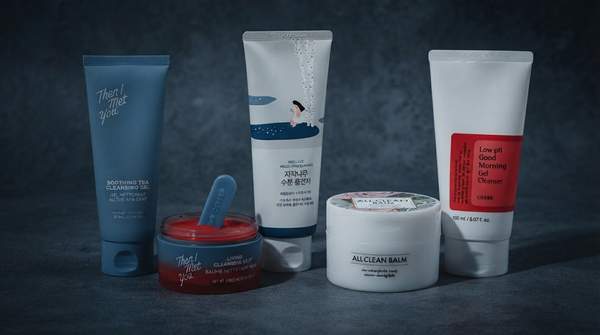
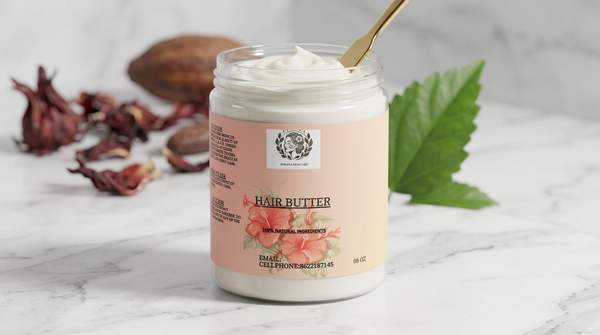
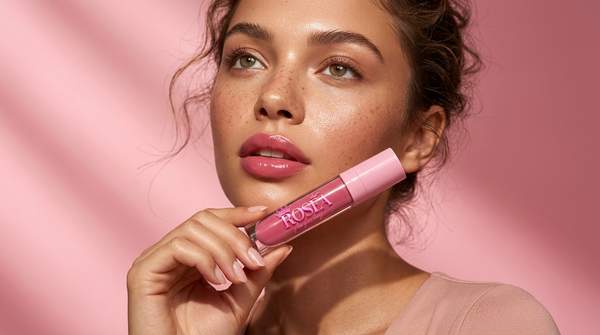
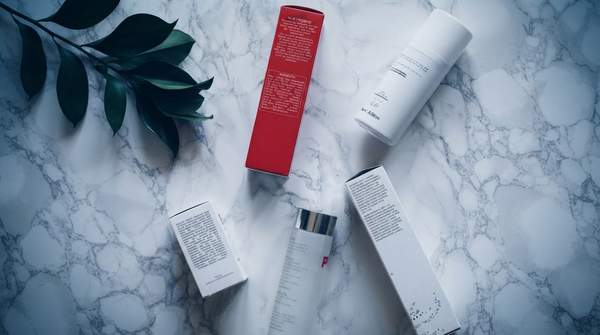
K-beauty now commands a substantial $2.4 billion market in the U.S. marking a staggering 47 percent growth over the past year, according to wwd. The rapid expansion of K-beauty, with a staggering 47 percent growth over the past year and a $2.4 billion market in the U.S. signals a definitive shift in American consumer preferences, moving K-beauty from a niche interest to a mainstream beauty staple. The market’s accelerated performance confirms a broader acceptance of Korean skincare and cosmetics across diverse demographics.
For years, K-Beauty cultivated a dedicated following among beauty enthusiasts, celebrated for its innovative formulations and multi-step routines. However, this cult favoritism is now evolving as major U.S. retailers actively integrate K-Beauty into their core offerings. The widespread adoption of K-Beauty by major U.S. retailers marks a pivotal moment, transforming how American consumers access and perceive Korean beauty products.
Based on Olive Young's strategic partnerships and direct U.S. market entry, K-Beauty is poised for accelerated growth and will likely reshape the competitive landscape of the U.S. beauty industry. The aggressive, multi-pronged strategy employed by South Korea's leading beauty retailer aims to solidify K-Beauty's position as a dominant force, challenging long-standing Western brands.
Olive Young's Strategic Inroads into US Retail
- CJ Olive Young formed a strategic partnership with Sephora, launching the 'Olive Young K-Beauty Edit' on August 20 in over 580 U.S. stores and online, according to 헤럴드경제 and KED Global.
- This launch includes 19 Olive Young-curated Korean beauty brands, notes wwd.
- Olive Young now offers K-beauty products at prices ranging from $4 to $299 for devices, covering both skincare and high-end beauty devices, according to wwd.
- Beyond Sephora, Target integrates K-beauty into over 600 locations, totaling more than 1,180 physical retail points for K-beauty products, according to 헤럴드경제 and wwd.
Olive Young's collaboration with Sephora represents a critical move, leveraging an established beauty giant to rapidly scale its presence. Olive Young's strategic positioning through its collaboration with Sephora allows it to reach a vast U.S. consumer base, bypassing traditional slow-burn market penetration. The immediate widespread physical retail presence, coupled with aggressive pricing across a broad product range, suggests a 'big bang' approach to mainstream adoption for K-Beauty.