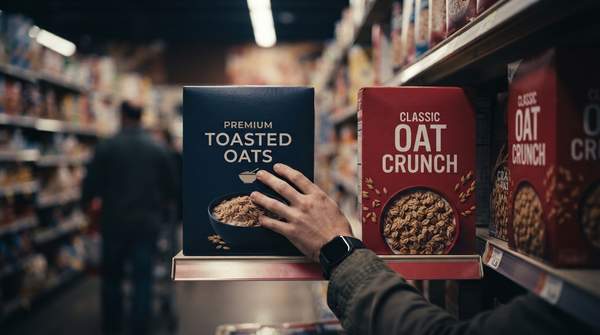
When AI recommends an unknown brand, 98% of consumers immediately seek verification from trusted sources, reports RetailWire. This widespread skepticism persists despite ongoing discussions about ethical AI brand recommendations for 2026.
This consumer skepticism creates a critical tension: Users distrust AI brand recommendations and verify them independently, yet major AI platforms rapidly integrate opaque advertising models that directly influence these very recommendations.
The increasing integration of advertising within AI systems and declining referral traffic for content creators suggests AI will centralize digital commerce and content discovery. This shifts power further towards platform owners, away from independent publishers and organic brand discovery.
The Trust Deficit: Why Consumers Don't Buy AI's Picks
Customer reviews are the top trust signal after AI recommendations, cited by 78% of respondents. This reliance on traditional validation reveals deep caution towards AI suggestions. Compounding this, 48% of U.S. shoppers are unaware that agencies are paid to influence AI results, RetailWire reports. This ignorance of commercial influence exposes a critical transparency gap. Brands relying solely on AI visibility without strong independent trust signals remain effectively invisible until consumers conduct their own research, forcing a reactive marketing posture.
A Generational Divide and Platform Push
Younger shoppers show greater trust in AI recommendations: 43% of Zoomers and 39% of Millennials, versus only 18% of Baby Boomers. The generational divide signals a coming shift in consumer behavior. Concurrently, Google introduced a new shopping ad format in its AI Mode conversational search, reaching over 75 million daily users, MarketingProfs reports. This convergence of generational trust and platform monetization means AI recommendations will become a dominant, potentially biased, force. While current AI advertising exploits general skepticism, it simultaneously cultivates a future demographic highly susceptible to opaque, AI-driven commercial influence.