How to Build a Sustainable and Ethical Fashion Wardrobe

A brand can display the 'Better Cotton Initiative' logo by sourcing just 10% of its total cotton from BCI farms, with a five-year plan to reach 50% according to Econyl .

SD
Sofia Duarte

May 19, 2026 · 4 min read

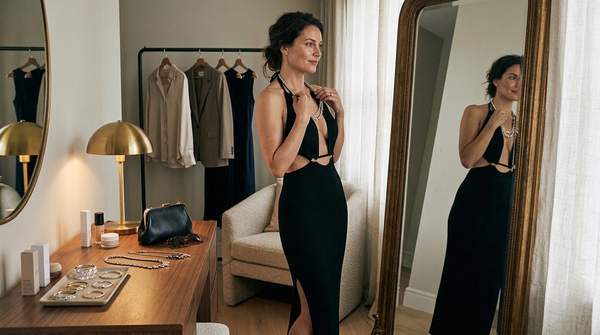
Diverse individuals curating a stylish and organized wardrobe filled with sustainable and ethically produced clothing, bathed in natural light.

A brand can display the 'Better Cotton Initiative' logo by sourcing just 10% of its total cotton from BCI farms, with a five-year plan to reach 50% according to Econyl. The low entry threshold allows companies to market products as sustainable with minimal immediate commitment, potentially misleading consumers. Consumers are eager for sustainable fashion, but 'sustainable' standards are often surprisingly low or opaque, making genuine impact hard to verify. Navigating this landscape demands critical evaluation beyond surface-level claims, empowering consumers to demand greater transparency and commitment from brands for a genuinely sustainable industry.

Why Your Wardrobe Needs a Conscience

Consumers increasingly recognize fast fashion's environmental and social costs. The recognition of fast fashion's environmental and social costs drives demand for clothing produced with respect for both planet and people, pushing brands to incorporate sustainability into their marketing. Every garment purchase contributes to a larger industry footprint. Choosing ethical pieces reduces waste and supports fair labor practices.

Informed consumers are now pushing for greater accountability, prompting brands to re-evaluate supply chains. Consumer pressure can reshape manufacturing and material sourcing. Opting for durable, responsibly made clothing diminishes the cycle of disposable fashion, fostering a more conscious industry.

Decoding 'Sustainable': The Nuance of Certifications

The Better Cotton Initiative (BCI) exemplifies the challenge: brands can use its logo with only 10% BCI-approved cotton, planning to reach 50% in five years, as reported by Econyl. The low threshold allows companies to appear committed without significant immediate investment, effectively greenwashing supply chains. It trades genuine environmental impact for a low-cost marketing badge.

Such minimal standards erode consumer trust, making it difficult to distinguish truly ethical brands from those merely meeting basic requirements. Consumers building an ethical wardrobe must scrutinize labels beyond simple logos. Understanding specific certification criteria is essential for informed purchasing.

Beyond Materials: The Power of Local & Purpose-Driven Production

Opera Campi, an Italian brand, exemplifies deep commitment by creating premium garments from locally-sourced raw materials and contributing to social causes, as noted by Good On You. Opera Campi's deep commitment extends ethical considerations beyond fabric to the entire production chain. True sustainability involves a holistic commitment to community and social good.

Brands like Opera Campi are the vanguard of sustainable fashion, embedding ethical practices into their core. Yet, their efforts are often overshadowed by competitors leveraging superficial certifications. Consumers must seek brands that clearly articulate their comprehensive impact. Clear articulation of comprehensive impact distinguishes genuine pioneers from those with minimal ethical commitments.

Innovating for Impact: Materials, Waste, and Craftsmanship

Artknit Studios crafts knitwear using 100% lower-impact materials, with production handled by Italian makers dedicated to anti-waste practices, according to Good On You. Artknit Studios' focus on material innovation and waste reduction offers a practical path to reducing fashion's environmental footprint. High-quality fashion can align with ecological responsibility.

Desirable clothing can be produced with minimal environmental impact through thoughtful material choices and production methods. These are crucial for minimizing resource depletion and pollution. Consumers prioritizing these aspects contribute to a circular economy, encouraging broader industry adoption of sustainable strategies.

Building Your Ethical Wardrobe: Actionable Steps

To build an ethical fashion wardrobe, prioritize transparency and verifiable impact over vague claims. Invest in durable, timeless pieces to reduce frequent replacements. Research brands thoroughly, looking for detailed supply chain and material sourcing information. Opting for fewer, higher-quality items decreases overall consumption.

Consider unique, upcycled options to further reduce waste. Blue Of A Kind, an Italian denim brand, upcycles vintage pieces to create unique jeans, as reported by Good On You. Upcycled items extend the life of existing materials, reduce demand for new production, and support creativity while minimizing environmental impact.

Your Ethical Fashion Questions, Answered

What are the key principles of sustainable fashion?

Sustainable fashion emphasizes longevity, fair labor, and minimal environmental impact throughout a garment's lifecycle. It prioritizes materials like organic cotton or recycled fibers, transparent supply chains, and production methods that reduce waste and pollution. The goal is clothing that respects people and the planet, moving away from disposable trends.

How can I make my current wardrobe more ethical?

Extend the lifespan of existing clothes by learning basic repair skills or seeking professional alterations. Consider swapping garments with friends or exploring second-hand options. Prioritizing care for what you already own significantly reduces demand for new production and minimizes textile waste.

What are the benefits of an ethical fashion wardrobe?

An ethical fashion wardrobe offers higher quality, longer-lasting garments, reducing replacements and saving money. It aligns personal style with values, fostering conscious consumption. You also support fair wages, safe working conditions, and reduced environmental pollution across the industry.

If consumers continue to demand verifiable ethical practices and transparency, the success of pioneering brands like Opera Campi and Artknit Studios suggests that genuinely sustainable fashion will likely evolve from a niche into a dominant segment of the global apparel market by 2026.