Skincare Antioxidants: Benefits, Risks, and How to Choose Wisely

In a surprising twist, young mice with a knocked-out antioxidant gene showed improved skin renewal, acting as signaling molecules, according to Allure .

SD
Sofia Duarte

April 20, 2026 · 4 min read

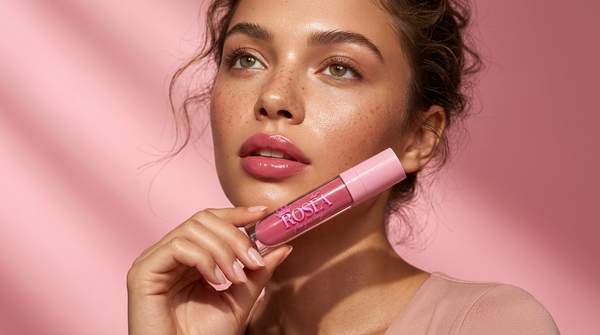
Close-up of a radiant face with a subtle glow, symbolizing healthy skin and the scientific exploration of skincare antioxidants.

In a surprising twist, young mice with a knocked-out antioxidant gene showed improved skin renewal, acting as signaling molecules, according to Allure. This challenges the long-held belief that all free radicals are universally detrimental. While antioxidants are widely promoted as essential for skin health to neutralize free radicals, emerging research indicates some free radicals might play beneficial signaling roles in skin renewal. This tension reveals a critical gap between public perception and scientific nuance. Therefore, a nuanced approach to antioxidant use, prioritizing well-researched topical applications over indiscriminate supplementation, appears crucial for maximizing benefits and avoiding unintended consequences in 2026. The beauty industry's blanket promotion of 'antioxidant' products risks disrupting vital biological processes, potentially doing more harm than good by suppressing beneficial signaling molecules. This insight implies that the efficacy of topical enhanced Vitamin C serum (eVCS) might stem from targeted action rather than indiscriminate free radical elimination, hinting at a complex interplay.

Why Your Skin Needs Antioxidants

Antioxidants prevent cellular damage by donating missing electrons to free radicals, according to Dr. Dennis Gross. These reactive molecules, generated by UV radiation, pollution, and metabolism, cause premature aging and collagen degradation. While the body has natural defenses, supplementation becomes vital when excess reactive oxygen species (ROS) overwhelm these systems, particularly with aging or disease, states PMC. This suggests that not all antioxidant use is indiscriminate; targeted application can be a strategic defense against environmental aggressors, preserving youthful appearance and cellular integrity.

The Proven Power of Topical Vitamin C

Enhanced Vitamin C serum (eVCS) dramatically increased collagen by 145 percent in facial skin explants compared to control, reports JCAD Online. This potent anti-aging effect directly addresses firmness and elasticity. A randomized, double-blinded, placebo-controlled study further confirmed eVCS efficacy against facial wrinkles and hyperpigmentation with twice-daily use, also from JCAD Online. Properly stabilized and formulated topical Vitamin C induces collagen and mitigates UV damage, as noted by Allure. The stark contrast between eVCS's proven collagen boost and PMC's warning about ineffective oral supplements reveals a critical truth: not all antioxidants are equal, and delivery method is paramount for genuine skincare benefits. Consumers are often misled by broad claims.
Synergies for Enhanced Skin Benefits

Combining eVCS with a retinol-bakuchiol serum (RSB) synergistically reduced melanin more than eVCS alone, reports JCAD Online. Specific active combinations amplify results for concerns like dark spots. Vitamin C, a multi-faceted antioxidant, neutralizes free radicals, regulates pigment, and boosts collagen, states Dr. Dennis Gross. This makes it an ideal partner. Optimal skin health isn't achieved by a single 'magic bullet' antioxidant, but through a multi-faceted approach that combines different mechanisms, potentially modulating both beneficial and harmful free radical activity. This nuanced understanding guides more effective, targeted skincare routines.

Understanding Skin's Natural Antioxidant Defenses

Vitamin C, the most abundant antioxidant in human skin, plays a fundamental role in its natural defense system against environmental aggressors, according to Medical News Today. The skin possesses a robust internal antioxidant system, with Vitamin C central to neutralizing free radicals from internal processes and external exposures. However, this natural protection can be overwhelmed by age or intense environmental exposure, making targeted topical supplementation a strategic necessity rather than a mere cosmetic choice.

Choosing Wisely and Avoiding Pitfalls

Oral beta-carotene and lycopene show no significant photoprotective effects, and indiscriminate antioxidant use can cause hypervitaminosis, cautions PMC. The critical difference between topical and oral applications, and the potential harm of unguided supplementation, is a key point. Allure's emphasis on 'stabilized and formulated correctly' for topical Vitamin C suggests many market 'antioxidant' products are inert or minimally effective. Consumers must scrutinize labels for specific antioxidant forms and seek reputable brands with stable, well-researched formulations. The implication is clear: prioritizing evidence-backed topical solutions over broad, unverified claims is essential, as some oral supplements carry risks and may even suppress natural skin repair mechanisms.

Do Oral Antioxidant Supplements Work for Skin?

What are the best antioxidants for skin in 2026?

For topical application, stable forms of Vitamin C, such as L-ascorbic acid or its derivatives, are highly recommended due to their proven collagen-boosting and pigment-reducing effects. Other beneficial topical antioxidants include Vitamin E, which works synergistically with Vitamin C, and ferulic acid, known for enhancing stability and efficacy. These ingredients are often found together in effective serums.

What is the difference between vitamin C and E for skin?

Vitamin C is a water-soluble antioxidant primarily known for stimulating collagen production and inhibiting melanin synthesis, making it effective for anti-aging and hyperpigmentation. Vitamin E is a fat-soluble antioxidant that protects cell membranes from oxidative damage and offers moisturizing benefits. They often work together, with Vitamin C regenerating oxidized Vitamin E, enhancing overall antioxidant protection.

The Broad Spectrum of Antioxidants

Antioxidants exist as both synthetic and natural substances, according to Medical News Today. This wide range means consumers face diverse claims, from plant extracts to lab compounds. By 2026, informed consumers will likely prioritize clinically proven, targeted, and stable formulations like eVCS, understanding that genuine benefits stem from specific mechanisms, not generalized or oral supplements lacking robust evidence.