South Korea Leads US Cosmetics Exports, Driven by K-Beauty

In 2024, South Korea surpassed France for the first time, becoming the leading exporter of cosmetics to the United States, marking a significant shift in global beauty trade dynamics.

SD
Sofia Duarte

April 17, 2026 · 4 min read

Split image showing Parisian landmarks and a modern South Korean city, symbolizing the shift in global cosmetics export leadership from France to South Korea.

In 2024, South Korea surpassed France for the first time, becoming the leading exporter of cosmetics to the United States, marking a significant shift in global beauty trade dynamics. A sustained growth trajectory is reflected in Korea's total cosmetics exports expanding from USD 7.57 billion in 2020 to USD 10.23 billion in 2024, according to the vogue business beauty trend tracker and keia. The increasing consumer prioritization of accessible innovation and tangible value is highlighted by this market reorientation, influencing K-beauty luxury skincare market trends for 2026.

France has historically defined global luxury beauty, yet South Korea's blend of accessible innovation and compelling value has now claimed the top spot in US cosmetic exports. Traditional perceptions of luxury are challenged by this shift, indicating a market where efficacy and affordability increasingly drive purchasing decisions over heritage branding.

The global beauty market is undergoing a significant reorientation towards Asian innovation and value, likely leading to increased competition and a broader range of accessible, high-quality products for consumers worldwide. What consumers value in beauty, from product formulations to overall aesthetic experiences, is redefined by this transformation.

Beyond Products: The Broader Appeal of K-Beauty

  • In 2024, 1.2 million people traveled to South Korea for aesthetic reasons, according to nationalgeographic.
  • Treatments in Seoul can be 30-50% cheaper than in the US or Europe, also reported by nationalgeographic.

K-beauty's influence extends beyond product sales, with its medical tourism sector demonstrating a holistic appeal driven by both quality and cost-effectiveness. A broad attraction to South Korea for aesthetic purposes fosters a comprehensive beauty ecosystem that drives both direct consumption and aspirational demand for its cosmetic exports globally.
Affordable Innovation: The K-Beauty Product Advantage

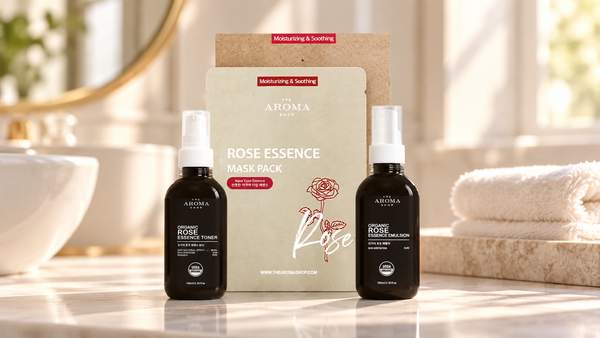
K-beauty toners, like the Medicube PDRN Pink Cica Soothing Toner, are priced around $33, illustrating the market's focus on accessible innovation, according to Refinery29. Other popular options include the Skin1004 Madagascar Centella Toner at $22.99 and Dr.nineteen's PoreXsome V.Peptox Jelly Toner at $39.95, as reported by refinery29.com. Affordability combined with advanced formulations attracts a wide consumer base, as underscored by these competitive price points, exemplified by the Medicube PDRN Pink Collagen Toning Gel Toner Pad priced at $35.

The affordability of K-beauty products, with toners typically ranging from $22 to $40, directly challenges the premium pricing of traditional luxury brands. The definition of 'premium' or 'effective' in the cosmetic market is no longer solely tied to high cost, as implied by this pricing strategy coupled with perceived efficacy. Consumers are increasingly prioritizing accessible innovation and tangible value over traditional luxury branding and its associated premium pricing.

The accessibility and affordability of a wide range of K-beauty products are key drivers in attracting a broad consumer base, challenging the premium pricing of traditional luxury brands. A significant re-pricing in the global beauty market is suggested by this competitive landscape, where value and efficacy are now primary drivers of consumer choice.

From Niche to Mainstream: Consumer Adoption

A recent report highlighted a consumer's experience finishing a jar of Round Lab 1025 Dokdo Cream, according to Nypost. The growing adoption and satisfaction with K-beauty products among everyday users is reflected by this personal anecdote. Their practical efficacy and appeal are demonstrated by such instances, solidifying their place in routine skincare regimens.

The integration of K-beauty items into daily routines signifies a shift in consumer preferences towards products that deliver visible results at accessible price points. K-beauty is moved beyond a niche interest by this widespread acceptance, embedding it into mainstream beauty consumption. Personal experiences with product effectiveness contribute significantly to this broader market acceptance.

Personal anecdotes highlight the growing adoption and satisfaction with K-beauty products, reflecting their practical efficacy and appeal to everyday users. The idea that consumers prioritize tangible results and value over traditional brand exclusivity is further supported by this trend.

The Future of K-Beauty: Accessibility and Market Growth

The Round Lab 1025 Dokdo Cream is currently available on Amazon for 40% off, according to nypost.com, signaling continued market accessibility and promotional strategies. A sustained market push to expand K-beauty's global reach is indicated by this widespread availability, coupled with aggressive pricing. The industry's commitment to value and broad appeal is reinforced by such consumer-friendly approaches.

The continued promotional pricing and widespread availability of K-beauty items indicate a sustained market push and consumer-friendly strategies. The reach of South Korean brands will continue to expand due to these efforts, further cementing their position in the global beauty market. The ongoing re-pricing of global beauty towards value and efficacy is underscored by this market accessibility.

The widespread availability and promotional pricing of K-beauty items indicate a sustained market push and consumer-friendly strategies that will continue to expand its reach. South Korean brands remain competitive and accessible to a global consumer base due to this aggressive market penetration.

Your K-Beauty Questions Answered

What are the biggest trends in Korean skincare for 2026?

Beyond affordability and efficacy, emerging trends in Korean skincare for 2026 include concepts like "bloom skin," which focuses on achieving a healthy, radiant complexion through specific ingredient combinations. Internal skin health and a natural glow are emphasized by this trend, moving beyond simply surface-level improvements, according to Refinery29.

How is the luxury skincare market evolving in 2026?

The luxury skincare market is evolving to prioritize accessible innovation and tangible results over traditional brand heritage. Consumers are increasingly seeking products that offer perceived efficacy and value at more accessible price points, rather than solely associating luxury with high cost. Traditional luxury brands are compelled by this shift to adapt their strategies to meet these new consumer expectations for performance and value.

What factors influence purchasing decisions for luxury skincare in 2026?

Purchasing decisions for luxury skincare in 2026 are heavily influenced by product efficacy, ingredient transparency, and the overall value proposition. By Q3 2026, traditional luxury brands like those from France will face intensified pressure to innovate on value and transparency, as consumers prioritize tangible results over brand heritage. Brands must adapt their formulations and marketing strategies to remain competitive in a market increasingly driven by accessible, high-performing products, as this shift means.