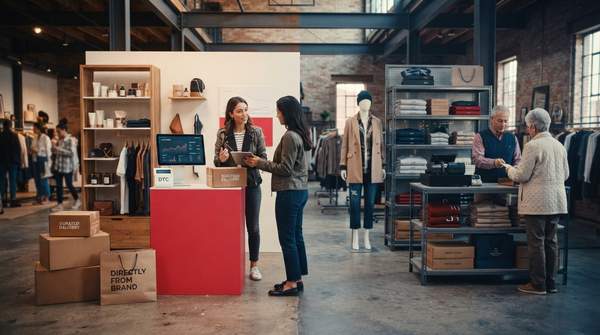
Direct-to-consumer (DTC) brands are fundamentally reshaping the retail landscape by eliminating third-party retailers and wholesalers to sell their products directly to customers. This strategic shift away from intermediaries is more than a change in sales channels; it represents a different operational model that grants brands unprecedented control over their customer relationships, data, and brand narrative. While traditional retail relies on a distributed network of partners, the DTC model centralizes these functions, enabling a more agile and personalized approach to commerce that is increasingly influencing consumer expectations.
The Rise of the Direct-to-Consumer Model
The direct-to-consumer model is defined by a simple premise: a company sells its products directly to its end customers, bypassing the traditional layers of distributors and retailers. This approach allows brands like Nike and Glossier to manage their sales through their own channels, primarily online. According to an analysis by the firm WeAreBrain, this model’s growth is fueled by a shift in modern consumer preferences toward convenience and personalized experiences, which DTC brands are uniquely positioned to provide.
By cutting out the middlemen, DTC companies gain direct lines of communication with the people buying their products. This contrasts sharply with the traditional retail structure, where customer interactions were largely handled by intermediary stores, creating a buffer between the brand and the consumer. This direct access is a disruptive force, allowing emerging brands to build loyalty and established companies to adopt new, more direct methods of customer engagement. As a result, the marketplace has seen a surge in DTC entrants, compelling all players to innovate in how they connect with their audiences.