Fashion

The Color Blossom Shift: How Louis Vuitton Is Redefining Fine Jewelry Aesthetics

Louis Vuitton is leading a significant shift in fine jewelry aesthetics with its expanded Color Blossom collection, moving away from quiet minimalism towards bold, expressive, and colorful designs. This strategic move, featuring new materials and a global campaign, is reshaping consumer desires and the competitive landscape.

SD
Sofia Duarte

April 8, 2026 · 8 min read

A close-up of a hand wearing a stunning Louis Vuitton Color Blossom ring and bracelet, showcasing colorful gemstones and intricate gold designs, symbolizing a shift in fine jewelry aesthetics.

The impact of color blossom jewelry trends on fashion aesthetics is undeniable, marking a decisive turn from the quiet minimalism that has dominated for nearly a decade. For years, the prevailing style in personal adornment has been one of subtlety: delicate gold chains, barely-there diamond studs, and whisper-thin stackable rings. This was a language of understatement, where jewelry served as a discreet accent. Now, that quiet has been replaced by a vibrant chorus of color, form, and narrative. The catalyst for this market-wide shift is powerfully embodied by Louis Vuitton, which is expanding its iconic Color Blossom fine jewelry collection with a major new release. This move is not merely a seasonal update; it is a declaration that bold, expressive, and meaningful jewelry is this season’s must-have, reshaping both consumer desire and the competitive landscape.

What Changed: The Monogram Blooms Anew

The primary inflection point for this aesthetic evolution is Louis Vuitton's significant and strategic expansion of its Color Blossom line. The collection, which has drawn inspiration from the house's Monogram Flower since its 2015 debut, is receiving a substantial update of 28 new pieces. This launch is timed to coincide with the 130th anniversary of the creation of Georges-Louis Vuitton’s iconic Monogram, grounding the contemporary designs in a deep well of brand heritage. According to reporting from DesignScene, the expansion is a deliberate exploration of the Monogram's potential, showcasing how its recognizable codes can evolve through new materials, colors, and forms.

At the heart of this change is the introduction of new materials that dramatically alter the collection's palette and tone. For the first time, the line incorporates sodalite, a rich, deep-blue stone sourced from South Africa. This material features across seven new pieces, including multi-motif bracelets, necklaces, and an open ring, lending a sophisticated and serene quality to the floral motif. The introduction of sodalite is more than a simple color addition; it represents a maturation of the "color blossom" concept. As noted by an analysis in The Impression, this move shifts the collection's feel from traditionally playful to distinctly sophisticated. Alongside the new, pink mother-of-pearl makes a return with five additional designs, reinforcing the collection's feminine and classic appeal while new pavé diamond creations offer heightened brilliance and luxury.
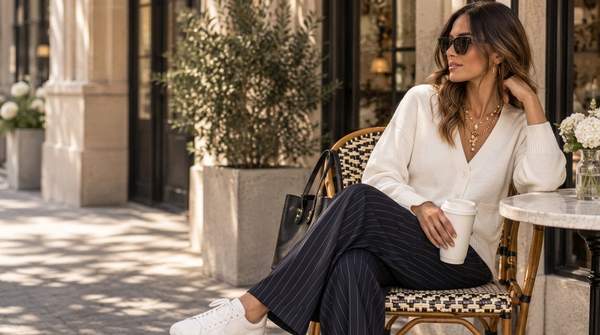
To amplify this significant launch, Louis Vuitton has enlisted brand ambassadors Ana de Armas and Ouyang Nana to lead a new global campaign. The choice of these two figures—a Cuban-Spanish Hollywood actress and a celebrated Chinese musician—signals a clear intent to connect with a modern, international audience. The campaign imagery showcases the jewelry's inherent versatility, presenting layered gold necklaces, statement earrings, and rings that blend timeless elegance with a distinctly contemporary and wearable style. This is a calculated move to position Color Blossom not as special-occasion-only wear, but as an integral part of the modern luxury consumer's daily wardrobe. The investment in such a high-profile campaign, tied to a historic anniversary, confirms that this is not just a product release but a definitive statement on the future direction of fine jewelry.

From Minimalist Metals to Floral Motifs: How 'Color Blossom' Jewelry is Shaping Modern Fashion Trends

The aesthetic shift driven by the color blossom jewelry trend represents a fundamental change in how consumers approach accessorizing. The previous era was defined by a "less is more" philosophy, where value was found in the purity of the metal and the subtlety of the design. The current movement, however, champions a "more is more" approach—more color, more personality, and more narrative. The contrast between these two periods highlights a significant evolution in consumer preferences and fashion aesthetics.

Before this resurgence, the fine jewelry market was heavily saturated with minimalist designs. The focus was on personal curation through layering—stacking multiple delicate gold rings, wearing several fine chains of varying lengths, or dotting ears with tiny, individual studs. The motifs were often abstract or geometric, designed to be unobtrusive and universally complementary. The color palette was restrained, centered almost exclusively on yellow, white, and rose gold, with diamonds serving as the primary, neutral gemstone. This aesthetic prioritized a quiet, accumulated luxury that whispered rather than shouted, aligning with a broader cultural appreciation for clean lines and uncluttered design.

The "after" picture, painted by collections like Louis Vuitton's Color Blossom, is far more dynamic and expressive. The focus has shifted from the metal to the stone, celebrating a rich spectrum of color. The introduction of sodalite's deep navy blue and the continued use of vibrant mother-of-pearl are prime examples. Motifs have become more literal and evocative, with the floral design serving as a recognizable and emotionally resonant symbol. According to the New York Post, which identified flower rings as a key trend for spring, this turn towards naturalistic forms taps into a desire for joyful and optimistic adornment. Styling has also evolved from delicate layering to a focus on the statement piece. While the new Color Blossom items can be layered, a single multi-motif necklace or a bold ring is designed to be a focal point, capable of defining an entire look.

MetricBefore (c. 2015-2022)Now / After (The Color Blossom Trend)
Dominant Material FocusPrecious metals (yellow, rose, white gold)Colored gemstones, mother-of-pearl, pavé diamonds
Color PaletteMonochromatic and metallicVibrant, polychromatic, and nuanced (e.g., deep blue sodalite)
Primary MotifsGeometric shapes, abstract forms, initialsNaturalistic and symbolic forms (flowers, celestial bodies)
Styling ApproachDelicate layering and stacking of multiple small piecesEmphasis on a central statement piece, intentional mixing
Consumer Value PropositionUnderstated elegance, everyday wearability, price-point accessibility (in DTC)Self-expression, narrative, craftsmanship, brand heritage

The New Luxury Bloom: Winners and Losers in the Jewelry Market

This seismic shift in jewelry aesthetics is creating a new hierarchy in the market, clearly delineating winners from those who must quickly adapt or risk being left behind. The brands poised to benefit most are those with strong heritage, iconic motifs, and the resources to invest in high-quality colored gemstones and compelling storytelling.

The primary winners are, without a doubt, established luxury houses like Louis Vuitton. Their success with the Color Blossom collection demonstrates the power of leveraging a historic motif—the Monogram Flower—and continuously reinventing it for a modern audience. By connecting a new product launch to a 130-year anniversary, they imbue the pieces with a sense of history and authenticity that newer brands cannot replicate. This strategy reinforces brand equity and justifies a premium price point, capturing the high-end consumer seeking both novelty and timelessness. Other brands that embrace narrative and color are also finding success. As reported by ELLE, Swarovski's recent collaboration with Ariana Grande, featuring garden creatures and rainbow-hued stones, and Spinelli Kilcollin's Zodiac-inspired collection both tap into this same desire for personalized, story-rich jewelry. These brands are winning by moving beyond simple aesthetics to offer pieces that feel meaningful and unique.

Conversely, the players facing the greatest challenge are the direct-to-consumer (DTC) brands that built their empires on minimalist, metal-focused designs. For years, these companies disrupted the market by offering simple gold hoops, chains, and rings at an accessible price point. Their value proposition was rooted in simplicity, affordability, and a modern, understated aesthetic. However, as consumer tastes pivot towards bold color, intricate designs, and brand heritage, the appeal of a simple, unadorned gold band may wane. These brands now face the difficult task of evolving their core identity without alienating their original customer base. They must decide whether to invest in sourcing colored gemstones and developing more complex designs, a move that could increase costs and complicate their supply chains. Retailers and jewelers who have curated their inventory around this minimalist trend will also need to re-evaluate their assortments to avoid appearing dated.

Expert Outlook: The Influence of Vibrant Floral Jewelry on Consumer Choices

Industry analysis suggests the color blossom trend is not a fleeting fad, but rather a reflection of deeper changes in consumer behavior and the definition of luxury. This trajectory points towards a market that increasingly values versatility, sophistication, and personal expression above all else.

One key prediction, based on analysis of the Louis Vuitton campaign, is that versatility will become a non-negotiable attribute of fine jewelry. The Impression's commentary highlights that the Color Blossom collection is "attuned to contemporary habits of dressing," where the modern luxury consumer seeks pieces that can transition seamlessly across different contexts, from the office to an evening event. This desire for adaptable, hard-working jewelry means that future collections will likely focus on intelligent design that offers multiple ways to wear a single piece or that feels appropriate for a wide range of occasions. The era of keeping one's "good jewelry" locked away in a safe is over; today's consumer wants to wear and enjoy their investments.

The color blossom trend is expected to mature in its use of color. The introduction of stones like sodalite is significant, moving the aesthetic beyond bright primary colors into a more nuanced and sophisticated realm. This signals an opportunity for brands to explore a wider range of gemstones, from the deep greens of malachite to the subtle purples of amethyst, creating palettes that are rich and complex. This evolution will allow the trend to maintain its relevance and appeal to a broader demographic, including consumers who may have found the initial wave of colorful jewelry to be too juvenile or playful. Consequently, the science behind gemstone selection and color theory will become an even more critical component of jewelry design and marketing.

The success of the Monogram Flower underscores a future where brand-specific motifs and design language become paramount. In a crowded market, a recognizable symbol serves as a powerful differentiator and a mark of authenticity. However, this strategy carries inherent risks. The same analysis that praised Louis Vuitton's evolution also cautioned that an overabundance of options within a single collection could risk "diluting the clarity of the central Monogram motif." This presents a crucial challenge for brands: how to expand a successful collection to meet consumer demand for variety without compromising the design integrity that made it successful. Brands that navigate this balance effectively will define the next chapter of the fine jewelry market.

Key Takeaways

  • Color is the New Core: The fine jewelry market is shifting from a minimalist, metal-centric aesthetic to one that embraces vibrant color and bold, naturalistic motifs, as exemplified by Louis Vuitton’s 28-piece expansion of its Color Blossom collection.
  • Heritage Motifs Drive Modern Relevance: Brands with iconic, adaptable design elements like the Louis Vuitton Monogram Flower are best positioned to lead this trend, connecting historical brand equity with contemporary consumer desires for statement pieces.
  • Versatility Defines Today's Luxury: The success of these collections hinges on their ability to be both sophisticated and wearable across different contexts. The introduction of materials like sodalite signals a maturation of the color trend toward more nuanced, elegant palettes.
  • The Market is Bifurcating: While heritage houses with strong narratives thrive, minimalist DTC brands may face challenges and need to adapt as consumer preference shifts from understated layering to expressive, individual statement jewelry.