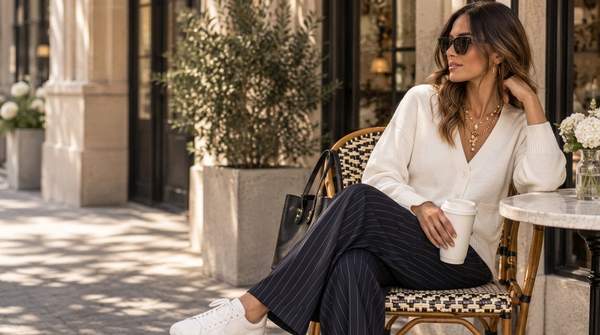
The search term 'quiet luxury' has exploded to over 35 billion views on TikTok, transforming an elite aesthetic into a mainstream phenomenon. Unprecedented digital engagement, alongside 'stealth wealth' garnering over 600 million views, signals a fundamental shift in how luxury is perceived and consumed in 2026, according to Refinery29.
Quiet luxury is rooted in understated exclusivity and high-end craftsmanship, but its viral spread on social media has made it a widely accessible and often imitated aesthetic. While genuine luxury brands maintain premium pricing, platforms like TikTok now spotlight 'luxe-looking items' from retailers like Source Unknown, with pieces from under $100 to $350, as noted by WhoWhatWear. This broad accessibility fundamentally redefines exclusivity, moving it beyond price point alone.
The future of 'luxury' appears increasingly defined by aspirational aesthetics and perceived values, rather than solely by price point or brand heritage. This blurs the lines between genuine and imitated exclusivity, forcing both established luxury houses and emerging brands to navigate a new digital landscape.
How Quiet Luxury Fashion Became Widely Accessible
The denim maxi skirt, identified as fashion's trendiest style in 2023 by Refinery29, embodies the movement towards accessible elements aligning with quiet luxury. Concurrently, the 'Clean Girl' aesthetic evolves from strict minimalism to subtle self-expression, blending polished basics with personal touches, as Elle India reports. These shifts show how aspirational aesthetics translate into attainable styles.
This democratization means consumers actively seek to embody quiet luxury's aesthetic without genuine high-end price tags. The shift favors personalized elegance over overt brand allegiance, allowing for broader adoption. This cultural embrace integrates understated fashion principles into everyday wardrobes, moving beyond simple imitation to a more nuanced interpretation of sophistication.
Distinguishing Genuine Luxury from Aspiration
Despite the widespread adoption of quiet luxury aesthetics, genuine high-end luxury products still command significant prices. Bottega Veneta bags, for example, can cost $6,000, as Refinery29 highlights. Such pricing reflects an enduring market for unparalleled craftsmanship, premium materials, and brand heritage, setting these items apart from accessible imitations. Beyond price, some luxury brands differentiate through ethical commitments; Ninety Percent, a womenswear brand founded in 2018, shares 90% of its profits with charities, according to WhoWhatWear.