Beauty

Beyond the 10-Step Routine: How K-Beauty Innovations Are Reshaping Global Skincare

What began as a niche interest in 10-step routines has become a global force, with K-Beauty innovations and multi-billion-dollar exports reshaping Western consumer habits and the beauty industry itself.

SD
Sofia Duarte

April 7, 2026 · 7 min read

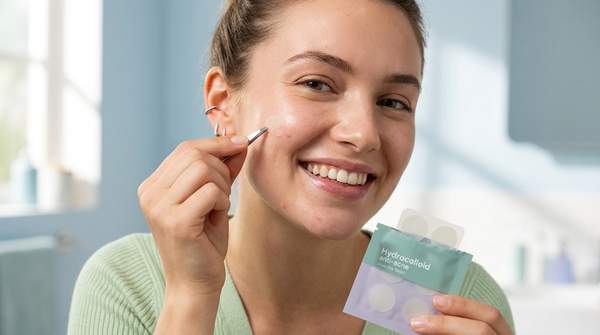
Diverse individuals globally embracing K-Beauty products, symbolizing the industry's innovative reach and its profound impact on international skincare routines and consumer habits.

As Korean skincare brand JiYu charts a course toward a reported $70 million in revenue by 2026, its recent $6.5 million funding round for U.S. expansion is more than just a business headline; it’s a clear signal of the profound and accelerating impact of K-Beauty innovations on Western markets. What began as a niche interest in multi-step routines and quirky sheet masks has matured into a global force, backed by staggering export numbers and a constant stream of formulation ingenuity that is fundamentally altering how consumers approach skincare, how brands develop products, and how retailers stock their shelves. The dialogue has shifted from curiosity to full-scale adoption, with data revealing a market not just growing, but reshaping the very foundations of the beauty industry.

The global rise of Korean beauty represents a seismic shift in skincare philosophy and consumer behavior, moving from a niche cultural phenomenon to a dominant market driver influencing product innovation and investment across the West. This trend is characterized by a focus on preventative care, ingredient transparency, and sophisticated formulations that are now setting the standard for the entire industry. The influence extends beyond topical products, pioneering new categories and forcing legacy brands to reconsider their own research and development pipelines. The numbers confirm what industry insiders have observed for years: K-Beauty is no longer a trend to watch, but a standard to meet.

Data Insights: K-Beauty Market Growth in Western Markets

The story of K-Beauty’s global ascent is best told through its compelling economic data. The sheer scale of the industry is a testament to its international appeal and innovative capacity. According to a report from Personal Care Insights, South Korea's cosmetic industry now ranks as the third largest in the world, a remarkable achievement for a country of its size. This ranking is not merely symbolic; it is powered by a robust and rapidly expanding export market that is successfully penetrating mature Western economies. Last year, the nation's cosmetics exports surpassed a milestone, reaching over US$10.28 billion. This figure represents a formidable 20.3% increase from the previous year, indicating that the global appetite for Korean beauty products is not only strong but also accelerating at an impressive rate.

This explosive growth is not a fleeting spike but part of a sustained upward trajectory. Market analyses consistently point toward a future of continued expansion. A comprehensive report from Allied Market Research, for instance, provides a forecast for the K-Beauty products market that projects significant growth through 2027. While specific figures vary across reports, the consensus is clear: the market's momentum is expected to continue, driven by ongoing innovation, increasing consumer awareness, and deeper retail integration in key regions like North America and Europe. This sustained growth projection provides confidence to investors and encourages retailers to dedicate more shelf space and marketing resources to the category, creating a self-reinforcing cycle of expansion. The data paints a picture of an industry that has mastered the art of global commerce, transforming domestic innovation into a multi-billion-dollar international export success story.


K-Beauty Innovations Shaping Western Skincare Trends

At the heart of K-Beauty's influence is a relentless drive for innovation, which has introduced entirely new product categories and skincare philosophies to the Western consumer. Before the "Hallyu" or Korean Wave swept through the beauty aisles, the typical Western routine was often a simple three-step process: cleanse, tone, and moisturize. Korean beauty popularized a more nuanced, layered approach, introducing concepts like the double cleanse, essences, ampoules, and, of course, the ubiquitous sheet mask. These weren't just additional products; they represented a fundamental shift in philosophy from correction to prevention, and from a one-size-fits-all approach to a customizable, ritualistic practice of self-care. Ingredients once obscure in the West, such as snail mucin, centella asiatica (cica), propolis, and fermented rice water, became hero ingredients celebrated for their gentle yet effective properties.

Now, that innovative spirit is pushing beyond the skin’s surface. The latest frontier for K-Beauty's influence is the burgeoning "beauty-from-within" market. According to a report from Nutraingredients.com, ingestible K-beauty products and collagen beverages are reportedly gaining significant retail traction in the United States. This marks a pivotal evolution, bridging the gap between skincare, wellness, and nutrition. The trend is moving from theory to reality with concrete retail partnerships. The launch of ingestible brand Clöud Café’s products at Ulta, a major U.S. beauty retailer, is a landmark moment. It signals that what was once a niche segment of the wellness market is now being integrated directly into the mainstream beauty shopping experience. This move validates the consumer demand for holistic beauty solutions and demonstrates K-Beauty's continued ability to anticipate and define the next major industry trend, pushing the boundaries of what a skincare routine can encompass.

Consumer Behavior: Western Adoption of Korean Skincare Routines

The most profound impact of the K-Beauty phenomenon may be the transformation of the Western consumer. The rise of the "skintellectual"—an educated, ingredient-savvy consumer who researches formulations and demands transparency—is inextricably linked to the K-Beauty ethos. Korean brands have long prioritized consumer education, often providing detailed information about ingredient benefits, sourcing, and the science behind their products. This transparency has empowered consumers to move beyond marketing claims and make informed decisions based on their specific skin concerns. The result is a more engaged and discerning customer base that expects more from all brands, not just those from Korea. They are fluent in the language of hyaluronic acid, niacinamide, and AHAs, and they are building complex, personalized routines that were once the exclusive domain of dermatologists and estheticians.

This behavioral shift is amplified by digital culture. Social media platforms like TikTok and Instagram have become virtual classrooms where users share "shelfies," review products in real-time, and demonstrate multi-step routines. K-Beauty’s visually appealing packaging and unique product textures—from "glass skin" serums to bouncy "pudding" creams—are perfectly suited for this highly visual medium. This digital word-of-mouth has democratized beauty knowledge and accelerated the adoption of Korean skincare principles far faster than traditional marketing ever could. Consumers are no longer passively receiving trends from legacy brands; they are actively participating in a global conversation about skincare, and K-Beauty has provided them with a new and expansive vocabulary. This educated consumer is the engine driving the market growth, demanding the very innovation and efficacy that Korean brands are celebrated for delivering.

Investment and Expansion: The Business of K-Beauty's Global Rise

Korean skincare brand JiYu recently secured $6.5 million in a funding round to expand its U.S. market presence, as detailed by Morningstar. This investment highlights K-Beauty’s dynamic business landscape, attracting venture capital and fueling promising brands' expansion into lucrative Western markets. Investors see significant growth opportunity and high potential for return in the sector.

JiYu is reportedly on track to reach $70 million in revenue in 2026, according to the same Morningstar report. This projection illustrates the scalability of K-Beauty brands connecting with Western audiences, showing they are becoming significant enterprises capable of competing with established Western beauty conglomerates. This investment flow creates a positive feedback loop: funding enables greater marketing, sophisticated distribution, and R&D, leading to innovative products that drive sales. As more K-Beauty brands succeed in Western markets, they solidify the category's global retail presence and long-term industry influence.

What Comes Next

K-Beauty's trajectory points toward deeper integration and continued boundary-pushing innovation. K-Beauty principles will become more deeply embedded in Western beauty, with legacy brands adopting advanced formulation philosophies like microbiome health, fermented ingredients, and gentler skin barrier care. Having already incorporated elements such as double-cleansing and essences, the distinction between "K-Beauty" and "Western Beauty" may blur as these principles become universal standards for high-quality skincare.

The expansion into ingestible beauty, exemplified by early movers like Clöud Café succeeding at mainstream retailers, will likely trigger new product development in functional foods, beverages, and supplements for skin health. This aligns with growing consumer interest in wellness and beauty, positioning K-Beauty to lead. A surge in "skin-tech" is also expected, with Korean companies leveraging technological prowess to develop personalized skincare solutions, at-home diagnostic devices, and innovative application tools for customized, effective user experiences.

Sustainability will become a key focus as global consumers, particularly younger demographics, demand ethical and environmental responsibility from K-Beauty brands. This demand will push innovators to pioneer new ingredients, formulations, sustainable packaging solutions, transparent supply chains, and cruelty-free testing practices. Brands successfully merging cutting-edge science with a genuine commitment to sustainability will shape K-Beauty's next chapter of global influence.

Key Takeaways

  • Proven Market Dominance: K-Beauty is a global economic force, validated by South Korea's standing as the world's third-largest cosmetics industry and its staggering US$10.28 billion in cosmetics exports last year, a 20.3% year-over-year increase.
  • Innovation Beyond Topicals: The influence of K-beauty innovations is now expanding beyond surface-level skincare, with ingestible products like collagen beverages and beauty supplements gaining significant traction and securing shelf space in major Western retailers.
  • Strong Investment and Growth Signals: Robust investor confidence is fueling the trend's expansion. Brands like JiYu are securing significant funding—such as its recent $6.5 million round—for U.S. market penetration, signaling a strong belief in the category's continued growth and profitability.
  • Fundamental Shift in Consumer Habits: K-Beauty has cultivated a more educated "skintellectual" consumer in the West, driving a market-wide shift toward multi-step, ingredient-focused routines and a philosophy rooted in preventative care and skin health.