A comprehensive consumer survey reveals 62% of respondents believe streetwear products are always in style, challenging fashion's cyclical nature and signaling a profound shift in consumer values. Streetwear's evolution, from disparate grassroots movements to a dominant cultural and economic force, has become a central narrative in the modern apparel industry, fundamentally altering how clothes are designed, marketed, and consumed, from sidewalk to runway.
Understanding streetwear's evolution is critical for fashion, branding, and culture. It has disrupted every facet of the industry, moving beyond aesthetics to become a powerful vehicle for self-expression, community building, and social commentary. Representing a departure from top-down trends, it champions a more democratic, user-generated approach to style. Its influence is evident in the billion-dollar sneaker market, the rise of brand collaborations, and the luxury sector's embrace of casual silhouettes, transforming a uniform for outsiders into a new global standard.
What Is Streetwear?
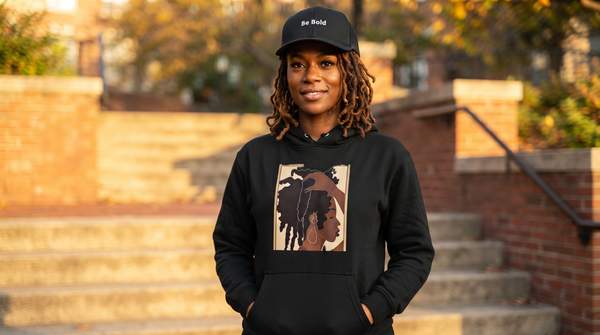
Streetwear is a style of casual clothing, deeply rooted in subculture, that prioritizes comfort, authenticity, and self-expression. It is less a single, defined aesthetic and more a cultural ethos expressed through apparel. Think of it as a language spoken through graphic T-shirts, hoodies, sneakers, and baseball caps, where each item tells a story about the wearer's identity, affiliations, and cultural tastes. Unlike traditional fashion, which often flows from exclusive design houses downward, streetwear grew organically from the "street" up, born from the skate, surf, and hip-hop scenes of the late 20th century.
Streetwear operates on unique principles distinguishing it from mainstream fashion. Its power lies in the culture and community built around the clothes, creating a dynamic, resilient movement that redefines style boundaries. The key components of the streetwear phenomenon include:
- Authenticity and Subcultural Roots: True streetwear is inextricably linked to specific communities, whether it's the skate parks of California, the hip-hop block parties of New York, or the fashion-forward alleyways of Tokyo's Harajuku district. Brands that succeed are those that maintain a genuine connection to these origins.
- Exclusivity Through Scarcity: A defining business model in streetwear is the "drop," where products are released in highly limited quantities at specific times. This strategy, perfected by brands like Supreme, creates intense hype and a dedicated following of consumers eager to own a piece of the brand's cultural cachet.
- Comfort and Functionality: Streetwear staples—the hoodie, the loose-fitting jean, the durable sneaker—are all built for comfort and practicality. This focus on wearable, everyday clothing is a direct counterpoint to the often restrictive and impractical nature of high fashion.
- Community and Identity: Wearing a particular streetwear brand is often a declaration of belonging. It signals a shared set of values, interests, and cultural reference points. This sense of community is so strong that some researchers suggest streetwear fashion can be discussed as a modern-day "cult," with its own rituals, symbols, and devoted followers.

What Are the Origins of Streetwear Fashion?
The evolution of streetwear is not a linear history with a single starting point but a convergence of several powerful youth movements in the 1980s and 1990s. Its DNA is a blend of counter-cultural aesthetics, each contributing a vital element to the style we recognize today. The primary wellsprings were the surf and skate cultures of Southern California, the burgeoning hip-hop scene in New York City, and later, the avant-garde style tribes of Japan.
The West Coast surf and skate scene provided the foundational aesthetic. Visionaries like Shawn Stussy began by screen-printing logos onto T-shirts and shorts to promote his custom-made surfboards in the early 1980s. His distinctive, graffiti-inspired signature became an accidental brand, one that resonated with skaters and creatives who felt alienated by mainstream fashion. Stüssy's success demonstrated that a brand could be built not on advertising, but on authentic cultural credibility and word-of-mouth adoption by the right people. This laid the groundwork for a DIY ethos that remains central to streetwear.
Simultaneously, on the East Coast, hip-hop culture was developing its own iconic visual language. Artists, DJs, and B-boys in the Bronx used fashion to project confidence and identity. Brands like Adidas became synonymous with groups like Run-DMC, while oversized silhouettes, tracksuits, gold chains, and pristine sneakers became status symbols. This connection between music and fashion was, and remains, fundamental. According to a report from Streetwear Global Market Research, a staggering 80% of consumer respondents indicated that hip-hop and rap music were a major influence on streetwear, cementing its role as the movement's primary soundtrack.
In the 1990s, Japan's Ura-Harajuku (backstreets of Harajuku) district in Tokyo became another crucial hub. Designers like Nigo (A Bathing Ape) and Hiroshi Fujiwara took American casual wear and reinterpreted it with meticulous attention to detail and an obsessive focus on exclusivity. They pioneered the model of limited-edition runs and hyper-local retail experiences, creating a culture of "hype" where dedicated fans would line up for hours to purchase rare items. This Japanese influence refined streetwear's business model and elevated its status from simple casual wear to a highly coveted form of collectible art.
How Streetwear Influenced High Fashion Trends
For decades, a rigid hierarchy defined the fashion world: luxury houses set the trends, and mass-market brands followed. The rise of streetwear completely dismantled this top-down structure. Its raw energy, authentic cultural connections, and passionate consumer base became too powerful for the high fashion establishment to ignore. The influence began as a subtle undercurrent but has since become a tidal wave, reshaping the very definition of luxury.
The most visible sign of this shift is the rise of the collaboration. What was once a rare novelty became a core strategy for luxury brands seeking to tap into streetwear's cultural relevance. The landmark 2017 collaboration between Louis Vuitton and Supreme is often cited as the watershed moment. By partnering with what many consider the world's most influential streetwear brand, Louis Vuitton's then-artistic director Kim Jones didn't just create a collection of co-branded hoodies and skate decks; he validated streetwear as a legitimate force in luxury fashion. This partnership shattered the wall between the street and the salon, proving that the two worlds could not only coexist but create something new and immensely profitable together.
Luxury brands began adopting streetwear's core elements into their collections. Balenciaga reimagined the "ugly" or "dad" sneaker with the Triple S, a purely functional item that became a global best-seller approaching $1,000. Hoodies, graphic T-shirts, and logo-heavy accessories became staples on Paris and Milan runways. Luxury fashion learned streetwear's language, incorporating its silhouettes, casual attitude, and marketing tactics.
The "drop" model, perfected by Japanese streetwear and Supreme, was adopted by legacy brands. Instead of traditional seasonal collections, houses released limited-edition capsules and collaborations, generating constant excitement and urgency. This shift catered to a new generation of luxury consumers who valued scarcity and hype as much as craftsmanship and heritage. In the digital age, high fashion recognized cultural currency as valuable as any physical material.
What Is the Cultural Impact of Streetwear?
Streetwear's influence extends beyond the closet, reflecting and catalyzing broader cultural shifts. It has given a global platform to youth culture, redefined consumer behavior, and is at the forefront of conversations about sustainability and cultural exchange. Its impact attests to its ability to evolve and resonate with successive generations.
At its heart, streetwear is powered by a distinct consumer profile. According to a report from Deepwear.info, the market has a predominantly young base, with more than 60% of its buyers being under the age of 25, led by Gen Z and Millennials. This demographic is digitally native, community-oriented, and increasingly driven by its values. The same report notes that about 70% of these consumers emphasize the importance of social awareness and activism in their purchasing decisions. They don't just buy a product; they buy into a brand's ethos.
This consumer base has significant spending power. A close reading of Hypebeast's "Streetwear Impact Report" on Medium indicates that approximately 50% of respondents spend between $100 and $500 a month on streetwear, with footwear being the most popular category for over 60% of buyers. Yet, this consumer paradoxically demands a hybrid of affordability and exclusivity. They want products that feel special and rare but are still accessible, a challenge that has fueled innovative retail models and a booming resale market.
Streetwear's global expansion has made it a medium for cultural dialogue. The movement surges in Latin America, with cities in Mexico, Brazil, and Colombia becoming new urban fashion hubs. Designers increasingly reinterpret traditional garments like kimonos, sarees, and hanboks, fusing them with streetwear silhouettes. This is framed as cultural evolution and innovation, making heritage accessible to a new generation in a modern context. Streetwear has become a global language of style, celebrating local identity and interconnectedness.
Frequently Asked Questions
What is the difference between streetwear and street style?
While often used interchangeably, streetwear and street style refer to two different concepts. Streetwear is a specific category of clothing and brands born from subcultures like skate and hip-hop (e.g., a Supreme hoodie, Stüssy T-shirt). Street style, on the other hand, is a broader term for the fashion created and worn by individuals in public. It is about personal styling and can incorporate any type of clothing, from vintage to high fashion to streetwear. A street style photographer captures how people dress, whereas a streetwear brand produces the actual garments.
Why is streetwear so expensive?
High streetwear prices are driven by several factors: scarcity, as brands intentionally produce limited quantities for high demand and exclusivity; high-quality materials and construction by established brands; brand equity and cultural cachet, where consumers pay for the logo and community it represents; and the vibrant resale market, where rare items sell for many times their original retail price, contributing to perceived high value.
Is streetwear still popular?
Yes, streetwear remains incredibly popular, though it has evolved. Instead of being a niche subculture, its core elements have been absorbed into mainstream fashion. The emphasis on comfort, sneakers, hoodies, and brand collaborations is now a permanent fixture in the industry. The 62% of consumers who believe streetwear is "always in style" point to its transition from a trend into a foundational element of the modern wardrobe. Its popularity now lies in its adaptability and its continued relevance to youth culture.
The Bottom Line
Streetwear's evolution from subculture to global fashion is a significant industry narrative of the past four decades. It permanently blurred the lines between high and low fashion, championing a model built on authenticity, community, and cultural relevance. For brands and consumers, understanding streetwear is essential for navigating apparel's future.