Brand Spotlights

What Are the 12 Brand Archetypes and How Do Companies Use Them?

Why do some brands feel like trusted companions rather than corporations? The answer lies in brand archetypes, a strategic framework categorizing brands into 12 distinct personality types that resonate on a deeply human level.

SM
Stella Moreno

April 7, 2026 · 10 min read

Abstract brand symbols representing the 12 archetypes (crown, heart, book) interacting in a futuristic city, illustrating their influence on consumer behavior and brand identity.

Brands like Nike or Jeep feel like trusted companions because of brand archetypes, a strategic framework categorizing brands into 12 distinct personality types. In a marketplace saturated with products, creating emotional connections is a strategic imperative. This framework helps successful companies build identities that resonate deeply, influencing subconscious purchasing decisions and fostering long-term loyalty.

Brand archetypes provide a roadmap for imbuing a brand with a consistent, relatable personality, moving marketing beyond features and benefits to values, beliefs, and identity. For strategists, marketers, and business leaders, mastering this psychological tool is critical for differentiating a brand and building a resilient community. This approach ensures companies tell a coherent story across all touchpoints, profoundly connecting with their target audience.

What Are Brand Archetypes?

Brand archetypes are a set of 12 universal, recognizable character types that brands adopt to define their personality and connect with audiences on a deeper, emotional level. This framework is rooted in psychological theory, applying concepts first developed by psychiatrist Carl Jung. According to an analysis on Genially's blog, Jung proposed that humanity shares a "collective unconscious" populated by 12 universal archetypes, each representing fundamental human motivations, values, and behavioral patterns. When applied to branding, these archetypes provide a blueprint for a brand's character, voice, and narrative.
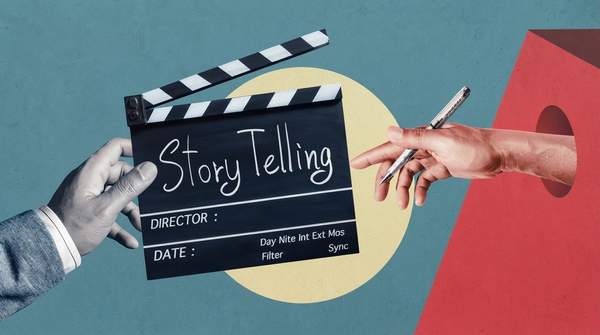
Brand archetypes serve as definitive characters in a brand's story, transforming a faceless company into a personality with a clear role, as suggested by LBBonline. A brand might be a wise guide (the Sage), a courageous champion (the Hero), or a nurturing guardian (the Caretaker). Embodying one of these familiar patterns makes a brand instantly more recognizable and relatable. This strategy, according to Penguin Designing, creates a "shortcut to an audience's hearts and minds," enabling efficient communication of its core identity and values.

The system works because brand archetypes are already embedded in our collective consciousness through myths, legends, art, and literature. We instinctively understand the motivations and representations of figures like the Hero or the Rebel. By aligning with an archetype, a brand taps into this pre-existing understanding, fostering an immediate sense of familiarity and trust. This foundation allows for developing a consistent, authentic brand identity that guides visual design, messaging, product development, and customer experience.

What Are the 12 Brand Archetypes and Their Meanings?

The 12 brand archetypes organize into four groups, each reflecting a core human drive: leaving a legacy, connecting, providing structure, or yearning for paradise. Understanding each archetype's unique desires, fears, and traits enables brands to strategically position themselves, meeting target audience psychological needs. The strategic implications of each of the 12 archetypes will now be discussed.

Group 1: Yearning for Paradise

These archetypes are driven by a desire for fulfillment, safety, and happiness.

  • The Innocent: With a core desire for safety and happiness, the Innocent archetype embodies optimism, simplicity, and purity. Brands using this archetype promise a return to a simpler, better time. Their voice is genuine, honest, and positive. They appeal to consumers seeking wholesome and straightforward solutions. Marketing often features clean aesthetics, natural imagery, and messages of uncomplicated joy.
  • The Explorer: Driven by the desire for freedom and discovery, the Explorer is independent, ambitious, and adventurous. These brands encourage customers to push boundaries and experience the world on their own terms. Their messaging is about journeys, authenticity, and breaking free from convention. Genially's analysis points to Jeep as a classic Explorer, with its "Go Anywhere, Do Anything" ethos that directly appeals to the consumer's need for adventure and self-discovery.
  • The Sage: The Sage's primary motivation is to find truth and use intelligence and analysis to understand the world. These brands position themselves as sources of wisdom, knowledge, and expertise. Their voice is authoritative, well-researched, and objective. They build trust by providing valuable information and demonstrating their mastery of a subject. Brands like Google and universities often embody the Sage archetype.

Group 2: Providing Structure to the World

These archetypes are motivated by a need for stability, control, and order.

  • The Creator: The Creator is driven by a desire to innovate and build things of enduring value. These brands are imaginative, artistic, and inventive, empowering their customers with tools for self-expression. Their messaging focuses on creativity, design, and possibility. Apple is a frequently cited example, positioning its products as tools that unlock the creative potential within everyone.
  • The Caretaker: Motivated by the need to protect and care for others, the Caretaker archetype is compassionate, generous, and nurturing. These brands build trust by being reliable, supportive, and altruistic. Their voice is warm, reassuring, and empathetic. This archetype is common in healthcare, non-profits, and service-oriented industries. Volvo, with its unwavering focus on safety, is a prime example of the Caretaker. As noted by Genially, the brand's move to install speed limiters in its vehicles reinforces its core promise of protection.
  • The Ruler: The Ruler's core desire is control. These brands exude power, leadership, and success, appealing to customers who want to feel important and in charge. Their voice is commanding, refined, and authoritative. They promise quality, exclusivity, and stability in a chaotic world. Mercedes-Benz leverages the Ruler archetype to project an image of luxury, status, and superior engineering, connecting with a desire for order and prestige.

Group 3: Connecting to Others

These archetypes are driven by a fundamental need for community and belonging.

  • The Jester: The Jester wants to live in the moment with full enjoyment and make people laugh. These brands are playful, fun-loving, and optimistic. They connect with audiences by using humor and entertainment, disrupting norms without being malicious. Their voice is witty and lighthearted. Brands in the snack and beverage industries often adopt this persona to associate their products with good times.
  • The Everyman (or Regular Guy/Gal): With a core desire to belong and connect with others, the Everyman archetype is down-to-earth, friendly, and unpretentious. These brands value authenticity and equality, making customers feel included and understood. Their messaging is practical, relatable, and honest. They avoid elitism and instead celebrate the ordinary virtues of daily life.
  • The Lover: The Lover archetype is all about creating intimacy and experiencing sensual pleasure. These brands focus on building relationships and fostering connection, whether romantic, familial, or spiritual. Their voice is passionate, intimate, and elegant. They appeal to the senses and emphasize beauty and appreciation. This archetype is prevalent in cosmetics, high fashion, and luxury travel.

Group 4: Leaving a Mark on the World

These archetypes are motivated by a desire for mastery, risk, and impact.

  • The Hero: Driven to prove their worth through courageous acts, the Hero is determined, brave, and inspiring. These brands challenge consumers to overcome obstacles and achieve their full potential. According to Penguin Designing, Nike is the quintessential Hero brand. Its "Just Do It" slogan and advertising featuring triumphant athletes perfectly capture the archetype's ethos of discipline, mastery, and overcoming adversity.
  • The Outlaw (or Rebel): The Outlaw's core desire is revolution or liberation. These brands seek to disrupt the status quo and challenge conventions. They are rebellious, independent, and unafraid to break the rules. Their voice is raw and unapologetic. The Outlaw appeals to those who feel marginalized or who crave radical freedom. Harley-Davidson is a classic example, representing a lifestyle of rebellion and nonconformity.
  • The Magician: The Magician aims to make dreams come true by understanding the fundamental laws of how the world works. These brands are visionary, charismatic, and transformative. They promise to turn the impossible into the possible, often through technology or a unique process. Their messaging is inspiring and often hints at a secret knowledge or power that can transform the customer's life. Disney, with its "The Most Magical Place on Earth" branding, is a perfect Magician.

How Do Brand Archetypes Build Emotional Connections?

The strategic application of brand archetypes is a powerful method for forging deep, lasting emotional connections with an audience. This process works by tapping into fundamental human psychology and leveraging consistent storytelling. By moving beyond a simple transactional relationship, archetypal brands become part of a consumer's identity and personal narrative.

The primary mechanism is the creation of a coherent and human-like personality. A brand that consistently acts and communicates like a Hero or a Sage becomes predictable and trustworthy. Consumers know what to expect, not just from the products, but from the brand's character. This consistency builds a relationship that feels personal. To add depth and credibility to this personality, brands often define both a primary and a secondary archetype. As noted in the analysis by Genially, this combination prevents the brand from feeling one-dimensional. For example, a brand might be a Sage at its core, but with a Jester influence, making it both wise and witty—a much more relatable and human personality.

Furthermore, archetypes provide a natural framework for storytelling. They allow a brand to cast itself as a specific character in the consumer's life story. The brand isn't just selling a product; it's offering a tool, a philosophy, or a form of guidance that helps the consumer become the hero of their own journey. Nike doesn't just sell shoes; it provides the gear and motivation for the athlete (the customer) to achieve greatness. This narrative approach is incredibly powerful because it resonates with our innate understanding of stories, making the brand's message more memorable and emotionally resonant.

This framework succeeds by tapping into the subconscious, as evidence suggests emotions significantly influence purchasing decisions. Archetypes provide a non-verbal, intuitive language, speaking directly to core desires and motivations. When consumers see a brand embodying their values or aspirations, they feel an immediate connection. This bond, based on shared identity rather than rational calculation of features and price, proves far more durable and resistant to competitive pressures.

Why Brand Archetypes Matter for Your Business

In today's hyper-competitive market, a clearly defined brand archetype serves as a significant strategic asset. It provides a powerful lens to focus marketing efforts, align internal culture, and build a defensible market position. The framework's real-world impact extends beyond the marketing department, influencing the entire customer experience and shaping long-term business success.

A strong archetypal identity serves as a key differentiator. As products and services become increasingly commoditized, a brand's personality often remains its only unique element. For instance, consumers choose Starbucks (an Explorer/Everyman blend) for its specific experience and sense of community, despite dozens of coffee choices. The archetype provides a unique emotional texture competitors cannot easily replicate, answering why a customer should choose one brand over another.

Leveraging an archetype helps a business attract its ideal clients and build a loyal community. A brand that clearly communicates its values as a Rebel will naturally attract customers who identify with a non-conformist spirit. This creates a self-selecting audience more likely to be engaged, loyal, and vocal. As Penguin Designing notes, this builds a loyal community around shared values, transforming customers into advocates—far more powerful than a customer base built on discounts and promotions alone.

A brand archetype serves as an internal compass, ensuring consistency across the organization. When everyone understands "we are a Caretaker brand," it informs decisions in product development (ensuring safety and reliability), customer service (promoting support and empathy), and human resources (hiring people who embody these values). This internal alignment ensures the brand promise is delivered authentically at every touchpoint, reinforcing identity and building lasting public trust.

Frequently Asked Questions

How did brand archetypes originate?

The concept of brand archetypes is an application of the psychological theories of Dr. Carl Jung, a Swiss psychiatrist. He introduced the idea of "archetypes" as universal, inherited patterns and images that reside in the "collective unconscious" of all people. These symbolic figures—such as the hero, the mother, or the trickster—appear in myths, stories, and dreams across all cultures. The framework of 12 brand archetypes was later adapted from his work for marketing and branding to help companies create more relatable and resonant brand personalities.

Can a brand have more than one archetype?

Yes, and it is often recommended for creating a more nuanced and realistic brand personality. Brands typically identify a single dominant, or primary, archetype that represents their core identity. They then select a secondary archetype to add depth and complexity. According to one analysis, this prevents the brand from appearing as a flat caricature and allows it to connect with its audience on multiple levels. For instance, a brand could be a Sage (primary) that uses humor, reflecting a Jester (secondary) influence.

Is choosing a brand archetype a permanent decision?

While consistency is crucial for building a strong and recognizable brand identity, an archetype is not necessarily a permanent, unchangeable decision. Brands can and do evolve over time in response to market shifts or internal strategic changes. However, a fundamental shift from one core archetype to another is a significant undertaking that can risk alienating an existing customer base that connected with the original personality. More often, successful brands evolve the expression of their core archetype to keep it relevant, rather than abandoning it entirely.

How do I identify my brand's archetype?

Identifying your brand's archetype requires a deep, introspective analysis of its core essence, focusing on what it truly is, not what it aspires to be. The process asks fundamental questions: What is our ultimate mission and purpose? What core values drive decisions? What role do we play in customers' lives? If our brand were a person, what would its personality be? Answers to these questions reveal the archetype that authentically reflects your brand's identity, values, and the emotional connection you aim to build with your audience.

The Bottom Line

The 12 brand archetypes offer a proven, psychology-based framework for building a brand that transcends its products and services. By consciously choosing and embodying an archetype, a company creates a consistent, relatable personality that forges a powerful emotional connection with its audience. In a world of endless choice, this connection becomes a significant competitive advantage, turning passive consumers into a loyal community and building a lasting brand.