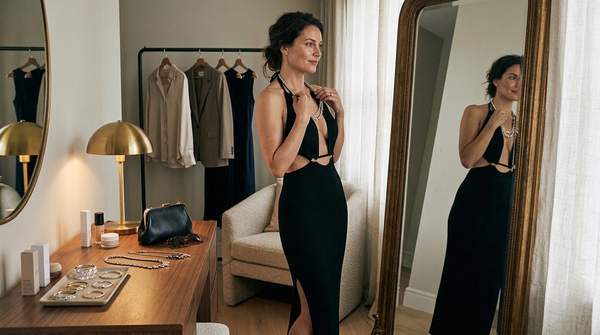
In December 2023, a Turin court ruled to protect the white sole on Italian quiet luxury brand Loro Piana’s Open Walks Chukka boots, highlighting the increasing legal battleground for understated luxury. The intricate efforts brands must now undertake to safeguard subtle design elements in a market where overt branding is less common. The future of luxury will see brands prioritizing experiential value and legal innovation to secure their intellectual property, rather than relying on traditional overt branding.
Quiet luxury thrives on subtle design and a lack of overt branding, but this very subtlety creates significant challenges for brands seeking to legally protect their unique identity. While this aesthetic appeals to younger generations, driving a new model of luxury according to Scad, it inadvertently creates a legal quagmire. Brands struggle to protect their unique identities in a market increasingly moving online, where distinctiveness is paramount.
This reliance on understated aesthetics, a core aspect of the quiet luxury fashion trend presents a paradox. Consumers are willing to invest in quiet luxury clothing, as noted by audaces, yet brands will have difficulty proving source distinctiveness in trademark infringement suits instituted in the US, according to Btlj. This means that while consumer demand and willingness to pay are high, the brands themselves face an existential threat to their unique identity and market position in key regions.
What Defines Quiet Luxury Today?
Quiet luxury is defined by consumers' desire for durable, versatile, and ethically produced items, reflecting a deeper investment in quality and conscious consumption over overt branding. Consumers are willing to invest in quiet luxury clothing, seeking pieces that effortlessly transition from day to night and across different occasions, according to audaces. This focus moves beyond seasonal trends to enduring style.
Sustainability also drives consumer choices within this sector; 65% of luxury shoppers consider sustainability before making a purchase, as reported by Ingrid. A shift towards thoughtful consumption, where product origin and environmental impact are as important as design. This commitment to quality, versatility, and ethical choices underpins the quiet luxury aesthetic.
Legal Battles for Subtle Identity
The Loro Piana ruling in December 2023, protecting a shoe sole, requires extraordinary legal effort to protect subtle design elements. Many quiet luxury brands may lack the resources or legal precedent to defend their intellectual property effectively, particularly in the US. Quiet luxury brands will have difficulty proving source distinctiveness in trademark infringement suits instituted in the US, according to Btlj. This means that while consumer demand and willingness to pay are high, the brands themselves face an existential threat to their unique identity and market position in key regions, potentially eroding the value of those investments over time.
The rapid shift to online luxury sales, driven by younger consumers seeking personalized experiences, directly clashes with the inherent difficulty quiet luxury brands face in legally protecting their subtle designs in a digital space where distinctiveness is paramount. The Loro Piana court ruling, coupled with the warning from btlj.org regarding US trademark distinctiveness, reveals that quiet luxury brands are trading overt branding for a legal minefield, forcing them to invest heavily in intellectual property battles rather than solely on design and sustainability.
The Paradox of Understated Value
Millennials and Gen Z are driving demand for sustainable, versatile quiet luxury, according to Scad. However, the inherent subtlety of these designs creates a paradox where the very attributes attracting consumers make brands vulnerable to dilution and imitation, threatening their long-term viability. This aesthetic, while appealing to a discerning consumer base, creates hurdles for brands to establish unique, legally defensible trademarks.
Consumers seeking value, versatility, and ethical choices emerge as winners in this evolving market. Brands that successfully adapt to subtle branding and online engagement also benefit. Conversely, traditional logo-heavy luxury brands that fail to adapt face challenges, alongside quiet luxury brands that struggle with legal protection or online distinctiveness. The sustainability focus, a major driver for quiet luxury consumers, creates a significant hurdle for brands to establish unique, legally defensible trademarks, potentially undermining their long-term value.
The Digital Imperative and Brand Protection
In early 2024, a Saks survey indicated that 70% of consumers value personalization when shopping online for luxury fashion, according to Ingrid, highlighting the need for brands to innovate their digital presence. Bain & Co. forecasts that 30% of all luxury sales will occur online by 2025, further emphasizing the shift towards digital engagement. As luxury sales increasingly shift online, brands must prioritize personalized and engaging digital experiences to capture the quiet luxury consumer, whose values extend beyond the physical product to the entire shopping journey.
Based on the Saks survey indicating 70% of consumers value personalization online and Bain & Co.'s forecast of 30% online luxury sales by 2025, quiet luxury brands must urgently innovate their digital presence to convey subtle distinctiveness, or risk becoming indistinguishable in a crowded online marketplace. The rapid shift to online luxury sales, driven by younger consumers seeking personalized experiences, directly clashes with the inherent difficulty quiet luxury brands face in legally protecting their subtle designs in a digital space where distinctiveness is paramount.
What are the key characteristics of quiet luxury fashion in 2026?
Key characteristics of quiet luxury in 2026 include an emphasis on investment in longevity and repairability, ensuring garments last beyond seasonal trends. This approach prioritizes high-quality materials and expert craftsmanship over transient styles, offering enduring value to consumers.
How does quiet luxury differ from traditional luxury?
Quiet luxury primarily differs from traditional luxury in its consumer motivation; traditional luxury often focuses on overt status signaling through logos and recognizable branding. Quiet luxury, however, centers on personal satisfaction and discernment, valuing intrinsic quality and discreet design for the wearer's enjoyment rather than public display.
Where can I find quiet luxury brands in 2026?
To find quiet luxury brands in 2026, consumers should seek out labels prioritizing traceability in their supply chains, artisanal production methods, and classic silhouettes. These brands often emphasize the story behind their craftsmanship and materials rather than relying on prominent logos or seasonal trend cycles.
The Future of Understated Elegance
A permanent evolution in consumer expectations is signaled by the quiet luxury movement, compelling brands to redefine value through quality, experience, and subtle distinction rather than overt status symbols. While Millennials and Gen Z are driving demand for sustainable, versatile quiet luxury, the inherent subtlety of these designs creates a paradox where the very attributes attracting consumers make brands vulnerable to dilution and imitation, threatening their long-term viability. The trend pushes brands to innovate beyond product design into legal and digital distinctiveness.
By 2025, as Bain & Co. forecasts 30% of luxury sales will occur online, brands prioritizing subtle distinctions must secure their digital intellectual property or risk becoming indistinguishable in a crowded marketplace. New strategies for brand protection and consumer engagement are demanded by this imperative.