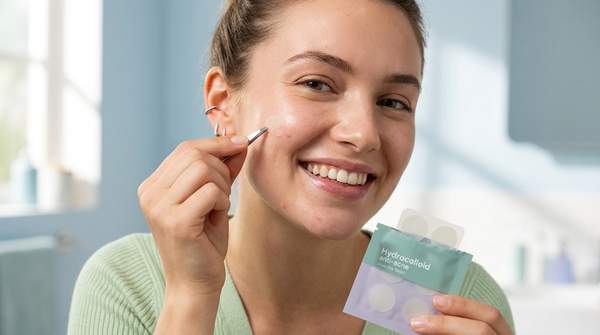
Marketing campaigns using micro-influencers are reported to be 6.7 times more efficient than those relying on influencers with larger followings, according to Sparklight Business. This efficiency suggests a significant misallocation of resources within current brand marketing strategies, particularly when considering the impact of micro-influencers on brand marketing and consumer trust in 2026. Brands could achieve substantially greater returns by adjusting their focus to these highly effective, niche communicators.
However, conventional wisdom often prioritizes broad reach, mistakenly equating larger follower counts with greater marketing impact. Despite this focus, micro-influencers consistently deliver higher engagement and efficiency, challenging established notions about effective digital outreach and the true drivers of consumer action.
Companies that embrace a micro-influencer strategy are likely to achieve stronger brand loyalty, higher conversion rates, and more cost-effective marketing outcomes by converting authentic niche engagement into tangible sales at a fraction of the cost.
Understanding the Micro-Influencer Advantage
Micro-influencer posts achieve 60% higher engagement rates than their macro counterparts, highlighting a critical difference in how audience size correlates with actual interaction. This higher engagement translates directly into more meaningful connections with consumers, moving beyond superficial impressions to foster genuine interest in products and services. The 60% higher engagement rates immediately underscore the disproportionate impact of smaller-scale influencers, challenging traditional marketing assumptions about the value of sheer audience size.
Micro-influencers distinguish themselves through their ability to foster genuine, high-engagement communities, unlike their celebrity counterparts. These individuals typically possess between 1,000 and 100,000 followers, engaging with a more specific, invested audience. This focused connection allows for more personal interactions, where recommendations carry greater weight due to the perceived relatability and expertise of the influencer within their niche. Mailchimp notes that micro-influencers offer higher engagement rates and a more authentic connection with niche audiences than larger influencers, providing brands with an opportunity to tap into highly receptive consumer segments.

Micro-influencers typically generate engagement rates between 5-9%, which is significantly higher than the 2% seen with celebrity influencers, as reported by ConnectMgt. The substantial difference in engagement metrics (5-9% vs. 2%) indicates that while macro-influencers offer broad visibility, micro-influencers deliver deeper, more impactful interactions. Brands are getting significantly more 'bang for their buck' per engaged user with micro-influencers, effectively subsidizing their marketing efforts through authentic connection rather than relying on expensive, less effective mass appeal.
The Authenticity and Trust Advantage
88% of consumers value authenticity in influencers, a preference that directly aligns with the natural appeal of micro-influencers. Unlike celebrity endorsements, which can often feel like paid advertisements, micro-influencers cultivate a sense of genuine connection with their audience, making their recommendations feel more like advice from a trusted friend. This emphasis on authenticity is crucial for building lasting consumer relationships and driving purchase decisions.
The high value consumers place on authenticity directly translates into trust, making micro-influencer recommendations feel more personal and credible. This dynamic explains why their higher engagement often leads to stronger brand loyalty and conversion rates, distinguishing them from larger influencers whose paid content may be viewed with skepticism. Consumers are more likely to act on recommendations they perceive as unbiased and sincere, a hallmark of micro-influencer content.
The strong consumer trust and purchase intent driven by influencers, when combined with micro-influencers' higher engagement rates, reveals that the quality of engagement, not just sheer reach, is the primary driver of consumer action. This makes micro-influencers disproportionately effective at converting trust into sales. Brands leveraging this trust can cultivate a loyal customer base that actively seeks out and responds to authentic product recommendations.
Strategic Benefits for Brands
Micro-influencers are generally more affordable than partnering with larger influencers, allowing brands to execute cost-effective partnerships and achieve a higher return on investment. This economic advantage enables businesses to allocate their marketing budgets more strategically, potentially engaging with multiple micro-influencers across various niches for the same cost as a single macro-influencer campaign. This approach broadens a brand's authentic reach while keeping expenditures in check.
Beyond engagement, micro-influencers provide brands with flexible and budget-friendly avenues to execute highly targeted marketing strategies. Their adaptability extends to diverse content types, making them suitable for a wide array of campaign objectives. For instance, a B2B micro-influencer strategy may include sponsored posts, guest content, podcast interviews, webinar participation, or co-marketing initiatives, according to PartnerStack. This versatility allows brands to build deep, long-term credibility and expand reach in complex buyer segments, challenging the perception of influencers as solely consumer-facing.
The capacity for diverse content types means micro-influencers can cater to specific brand needs, whether it involves driving immediate sales or fostering long-term brand awareness. Their ability to deliver specialized content within their niche strengthens a brand's message and ensures it resonates with the most relevant audience. This strategic adaptability makes them invaluable assets in a comprehensive marketing plan.
Driving Real-World Business Outcomes
74% of consumers have bought a product because an influencer recommended it, a statistic that underscores the direct impact of influencer marketing on purchasing behavior. This high conversion rate, when channeled through the authentic connections of micro-influencers, translates into tangible sales for brands. The personal nature of micro-influencer recommendations removes barriers to purchase, making the consumer journey more seamless and effective.
JMSR-online notes that micro-influencers foster organic interactions that can lead to higher engagement rates, brand loyalty, and conversion rates than conventional influencer campaigns. This sustained engagement builds a strong foundation for repeat business and customer advocacy. The authentic engagement cultivated by micro-influencers directly translates into measurable consumer action, from increased purchases to enduring brand loyalty, offering a clear path to improved business outcomes.
The dramatic difference in engagement coupled with 6.7 times greater efficiency and lower cost implies that brands are getting significantly more 'bang for their buck' per engaged user with micro-influencers. This efficiency allows brands to maximize their marketing spend while achieving superior results in terms of sales and customer retention. The authentic connection fostered by micro-influencers effectively subsidizes marketing efforts through genuine relationship building.
Holistic Impact and Strategic Execution
What are the benefits of using micro-influencers for brands?
Micro-influencers offer brands a powerful way to enhance credibility and expand market penetration within key buyer segments. A thoughtfully executed micro-influencer strategy can boost brand credibility, generate high-quality engagement, and often provide greater cost efficiency than large-scale influencer campaigns, according to PartnerStack. They help brands connect with highly targeted audiences who trust their recommendations.
How do micro-influencers build consumer trust?
Micro-influencers build consumer trust by fostering authentic, personal connections within their niche communities. Their recommendations feel more like advice from a trusted friend than a paid advertisement, leading to higher engagement and conversion rates. This perceived authenticity is a key differentiator, as consumers are more likely to trust relatable content creators over celebrity endorsements.
The Future of Influencer Marketing is Niche
Despite the allure of celebrity endorsements, brands prioritizing authentic connection and measurable ROI should drastically reallocate budgets towards micro-influencers. Campaigns using micro-influencers are 6.7 times more efficient than those with larger followings, according to Sparklight Business, presenting a compelling case for this strategic shift. The 6.7 times greater efficiency of micro-influencer campaigns signals a fundamental re-evaluation of how marketing dollars are best spent to maximize impact.
Companies overlooking micro-influencers are missing a critical opportunity to build deep brand loyalty. Mailchimp's observation that a micro-influencer endorsement feels more like a friend's recommendation directly explains why they achieve significantly higher conversion rates.than conventional campaigns. This personal touch cultivates a loyal customer base that is more receptive to brand messaging and product recommendations.
The 60% higher engagement rates reported by ConnectMgt for micro-influencers, coupled with 88% of consumers valuing authenticity, signals a fundamental shift in consumer trust, rendering traditional 'reach-first' influencer strategies increasingly ineffective. By 2026, brands like 'EcoBloom Organics' are projected to see their customer acquisition costs drop by 15% through dedicated micro-influencer collaborations, demonstrating the enduring power of niche appeal and authentic engagement in a crowded market.