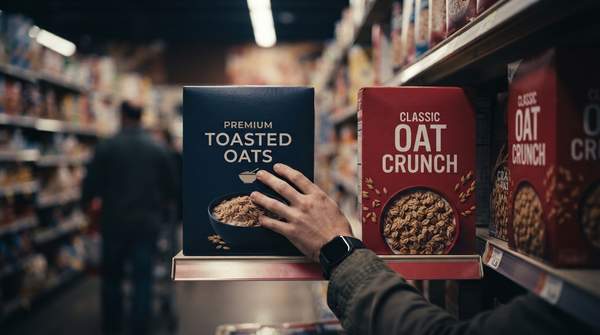
Nearly one-third of US adults intentionally purchase 'dupes' of premium products, marking a fundamental shift in consumer values beyond mere affordability. This widespread adoption challenges established brand loyalties, according to The Guardian. In the UK, 11% of consumers regularly buy dupe products, confirming a growing trend.
Consumers prioritize value and accessibility through dupes, yet traditional brand protection strategies fail to adapt to this digitally-driven mindset. This creates a complex market where brand prestige faces unprecedented challenges.
Brands that ignore the psychological and economic drivers of dupe culture risk irrelevance. Consumers increasingly decouple quality from premium pricing and brand origin, actively redefining luxury in 2026.
Beyond Budget: Who's Buying Dupes and Why?
Seventy percent of high-income US adults, earning $150,000+, have tried a dupe, according to emarketer. This challenges the assumption that affluence equates to unwavering brand loyalty. Mid-income consumers show a 53% dupe purchase rate, while low-income consumers report 41%. These figures confirm that the pursuit of value and perceived quality transcends all income brackets.
Luxury brands can no longer assume affluence guarantees loyalty. They must compete on perceived value and utility, or risk losing affluent customers to agile, value-driven competitors. This widespread adoption across demographics forces a reevaluation of brand value, pushing brands to adapt or face irrelevance.
The Digital Drivers: How Gen Z and Social Media Fuel the Dupe Economy
Gen Z has normalized buying knockoffs, making #dupe one of social media's most searched terms, reports The Guardian. This generational shift prioritizes accessibility and perceived value over traditional brand exclusivity. While 50% of consumers buy dupes for savings, 17% do so even when they can afford the genuine item, according to The Guardian. Price is not the sole motivator; it signals a cultural redefinition of smart consumption.

This digital amplification fundamentally challenges traditional brand loyalty. Brands must redefine their value proposition beyond status symbols, or risk being outmaneuvered by digitally-native alternatives that resonate with this new consumer mindset.
Reshaping Retail: E-commerce, Competition, and Brand Challenges
Ecommerce now accounts for 41% of beauty and personal care sales on platforms like Amazon and TikTok Shop, according to emarketer. This digital shift creates fertile ground for dupes to gain visibility and market share. Viral dupe videos further drive consumer awareness and demand for value-driven alternatives, forcing brands to reconsider marketing and distribution.
Retailers must now compete on new terms. Digital visibility and perceived value are as crucial as traditional brand prestige. The amplified dupe culture challenges incumbent brands to adapt their competitive strategies or risk losing relevance in a rapidly evolving market.
Legal Battlegrounds: Protecting Brands in the Dupe Era
Is dupe culture a new phenomenon?
While 'knockoffs' have existed for decades, modern dupe culture is distinct due to digital amplification and intentional consumer embrace. Social media, especially TikTok, accelerates discovery and normalization, making it a culturally amplified trend.
What are the benefits and drawbacks of dupe culture?
Consumers gain increased access to perceived luxury and enhanced value. Original brands face revenue loss, brand dilution, and eroded exclusivity. However, consumers generally understand they are not buying the authentic item, redefining brand prestige and loyalty.
How can brands legally protect themselves against dupe products?
Brands must prove dupes mislead consumers into believing they are original or approved, under the Lanham Act, according to mmrstrategy. This legal burden is difficult to meet, as consumers often intentionally buy dupes for value, directly contradicting the premise of confusion.
The Future of Value: Adaptation or Obsolescence for Brands
The D2C brand Quince, valued at $4.5 billion after a $200 million funding round, according to emarketer, proves the 'dupe' model of accessible luxury can capture significant market share. Their success directly challenges incumbent brands' pricing and distribution strategies.
Traditional brands face a critical choice: adapt their value proposition or risk obsolescence. The market prioritizes perceived value over traditional prestige. Agile D2C competitors are already outmaneuvering those reliant on outdated brand models.
By Q3 2026, luxury brands like Louis Vuitton will face intensified pressure to innovate. They must integrate utility and accessibility into their core strategy to remain relevant. Failure risks significant market share loss to value-driven competitors like Quince.