The GLP-1 trend's impact on beauty products is creating new demand for hair and skincare, prompting Ulta Beauty to adapt its strategy for consumers experiencing medication side effects. The surge in popularity of weight-loss medications like Ozempic and Wegovy is carving out a new, influential consumer segment within the beauty market. These shoppers are actively seeking solutions for physical changes associated with rapid weight loss, namely hair thinning and decreased skin elasticity. This shift is not going unnoticed by major industry players, with beauty retail giant Ulta Beauty publicly acknowledging and strategically responding to these evolving consumer needs.
Who Is Affected
The ripple effects of the GLP-1 phenomenon extend across several interconnected groups. The primary group affected is the growing population of consumers using these medications. According to a report from Business Insider, an estimated 10% of the U.S. population is currently taking some form of weight-loss drug. This creates a significant and rapidly expanding market segment with highly specific beauty concerns that were previously less prevalent. These individuals are not just losing weight; they are navigating the full spectrum of physiological changes that accompany it, turning to the beauty aisle for support.
Consequently, the beauty retail industry, headlined by companies like Ulta Beauty, is directly impacted. Retailers are on the front lines, witnessing firsthand the shift in purchasing patterns. They must now adjust inventory, marketing, and employee training to cater to customers asking for products that address hair thinning, scalp health, and skin firming. For Ulta Beauty, a company that reported annual sales of about $12.4 billion last year, successfully catering to this demographic represents a substantial commercial opportunity. Finally, beauty brands themselves are affected, particularly those in the haircare and advanced skincare categories. Brands specializing in hair growth serums, strengthening treatments, and collagen-boosting or intensely hydrating skincare are finding a newly energized and motivated audience for their products.
GLP-1 Side Effects: Hair Loss and Skin Concerns
The connection between GLP-1 medications and the new demand in beauty aisles is rooted in the physiological effects of rapid weight loss. While these drugs have proven effective for weight management, their use can trigger side effects that directly impact a person's hair and skin. The most prominent of these is a type of hair shedding known as telogen effluvium, which can occur after a significant physical stressor like rapid weight loss. While not a direct effect of the drug's chemical composition, it is a well-documented consequence of the state it induces in the body. Business Insider reports that hair loss was noted as a side effect in 3% of participants during Wegovy's clinical trials.
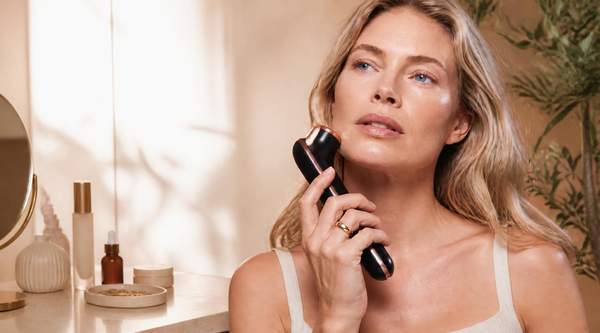
This has led to a surge in consumer interest for products that support hair retention and promote new growth. Shoppers are looking for everything from scalp serums and thickening shampoos to supplements designed to fortify hair from within. Ulta Beauty CEO Kecia Steelman addressed this directly, stating, "Hair loss with GLP-1s is real, and products that can help with that," as reported by multiple outlets including Benzinga.com. This public acknowledgment from a top executive underscores the legitimacy and scale of this emerging trend.
Beyond hair, rapid weight loss can significantly affect the skin's appearance. When fat is lost quickly, the skin may not have enough time to retract, leading to concerns about laxity and a loss of elasticity. This creates a need for products that provide deep hydration and firming benefits. Steelman also highlighted this concern, noting, "And then also skin elasticity, when you're losing weight really rapidly, you know, the skin elasticity is something that you've got to get moisture into." This has boosted demand for body creams, firming lotions, and facial skincare rich in ingredients like peptides, hyaluronic acid, and collagen-supporting compounds.
Ulta Beauty's Strategy for GLP-1 Consumer Trends
In response to this clear market shift, Ulta Beauty is proactively shaping its strategy to meet the GLP-1 consumer. The company's leadership has moved beyond simply observing the trend to publicly validating the concerns of these customers and positioning Ulta as a destination for solutions. By openly discussing the demand for products addressing hair loss and skin elasticity, Ulta's CEO is signaling to both consumers and the industry that the retailer is attuned to this new reality. This approach helps build trust with a consumer group that may be navigating these side effects for the first time.
Strategically, this involves curating product assortments and highlighting categories that directly cater to these needs. This means giving more prominent placement to hair growth systems, scalp treatments, and advanced skincare for the body and face. It also involves training their in-store associates to understand these specific concerns and guide customers to effective products. According to a report from GuruFocus, Ulta is already seeing this increased demand translate into sales, reinforcing the commercial viability of this strategic focus. The retailer's vast selection, which spans from mass-market to prestige brands, allows it to offer a wide range of solutions at various price points, making it an accessible resource for this large and diverse consumer base.
This strategic pivot is not just about capturing a new market; it's about reinforcing Ulta's brand identity as a comprehensive beauty destination that supports consumers through all life stages and changes. By addressing the tangible beauty-related side effects of a major wellness trend, Ulta solidifies its relevance and demonstrates a sophisticated understanding of the modern consumer, for whom the lines between health, wellness, and beauty are increasingly blurred.
What Comes Next
Brands will increasingly launch products specifically formulated or marketed to address concerns like hair thinning and skin laxity, side effects resulting from weight loss among GLP-1 users. This demand is not a temporary spike but the beginning of a long-term market evolution, signaling a fundamental shift in consumer needs. As the widespread use of these medications ensures a growing consumer base seeking such solutions, this trend will make the intersection of wellness treatments and beauty routines even more pronounced, creating sustained opportunities for prepared brands and retailers.
An interesting dimension to this trend is its overlap with the existing anti-aging and "longevity" markets. According to a report from uk.finance.yahoo.com, there is a crossover in product demand between GLP-1 users and consumers focused on aging, as both groups seek products that maintain "the longevity of the look." This suggests that brands may not need to reinvent the wheel entirely. Instead, they can reframe the marketing for existing high-performance skincare and haircare to appeal to the GLP-1 demographic, focusing on benefits like firming, strengthening, and revitalizing.
Ulta Beauty's public embrace of the GLP-1 trend serves as a clear call to action for the broader beauty industry. Other retailers will inevitably follow suit, developing strategies like dedicated in-store sections, curated online shopping guides, and marketing campaigns directly addressing weight-loss drug users' unique needs. This phenomenon accelerates the integration of beauty and personal wellness, pushing the industry to provide holistic, solution-oriented products that support consumers through significant body changes.